Nipah Virus Returns: A Dea.dly Outbreak With a Fatality Rate Over 40%—Experts Urge Five Urgent Prevention Measures
The Nipah virus, one of the world’s most lethal zoonotic pathogens, is resurfacing with renewed concern. Health authorities have confirmed new clusters of infection, reigniting fears of a virus known not for its spread, but for its devastating consequences. With a fatality rate that can exceed 40%, and in some outbreaks has climbed even higher, Nipah is once again testing the limits of public health preparedness.
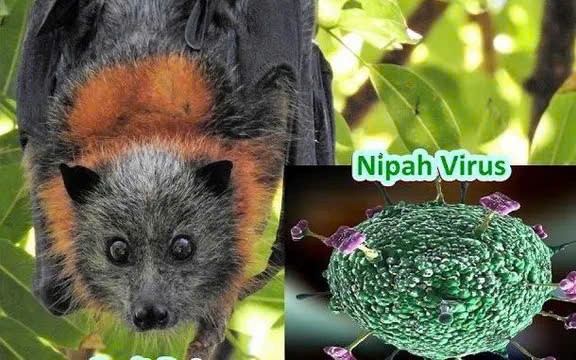
First identified in 1998 during an outbreak among pig farmers in Malaysia, the Nipah virus is carried primarily by fruit bats and can spread to humans through contaminated food, infected animals, or direct human-to-human contact. Unlike many respiratory viruses, Nipah infections are relatively rare—but when they occur, the outcomes are often severe and fast-moving.
A Virus That Gives Little Time to React
What makes Nipah particularly alarming is the speed and severity of illness. Early symptoms often resemble common infections: fever, headache, muscle pain, vomiting, and sore throat. Within days, however, the disease can escalate rapidly, leading to acute respiratory distress, seizures, encephalitis (inflammation of the brain), coma, and death.
There is currently no specific antiviral treatment or licensed vaccine for Nipah virus infection. Medical care is largely supportive, focusing on managing symptoms and preventing complications. This lack of targeted treatment is a key reason the virus carries such a high mortality rate and why prevention remains the most powerful defense.
Why Experts Are Sounding the Alarm Now
Recent cases have prompted epidemiologists to issue renewed warnings, particularly in regions where human activity overlaps with wildlife habitats. Deforestation, urban expansion, and climate-related disruptions are increasing contact between humans and bats—the virus’s natural reservoir. At the same time, global travel and dense population centers raise concerns that localized outbreaks could become harder to contain.
Public health experts stress that while Nipah is not easily transmissible like influenza or COVID-19, its ability to spread through close contact—especially in healthcare and family settings—makes vigilance essential.
Five Critical Measures to Prevent Infection
In response to the renewed threat, health experts are urging communities to adopt five key preventive measures. These steps are simple, but crucial.
1. Avoid Consumption of Raw or Contaminated Foods
Fruit contaminated by bats, particularly partially eaten fruit or fruit found on the ground, should never be consumed. In some regions, raw date palm sap has been identified as a transmission source after bats contaminated collection containers. Only properly washed, peeled, and cooked foods should be eaten.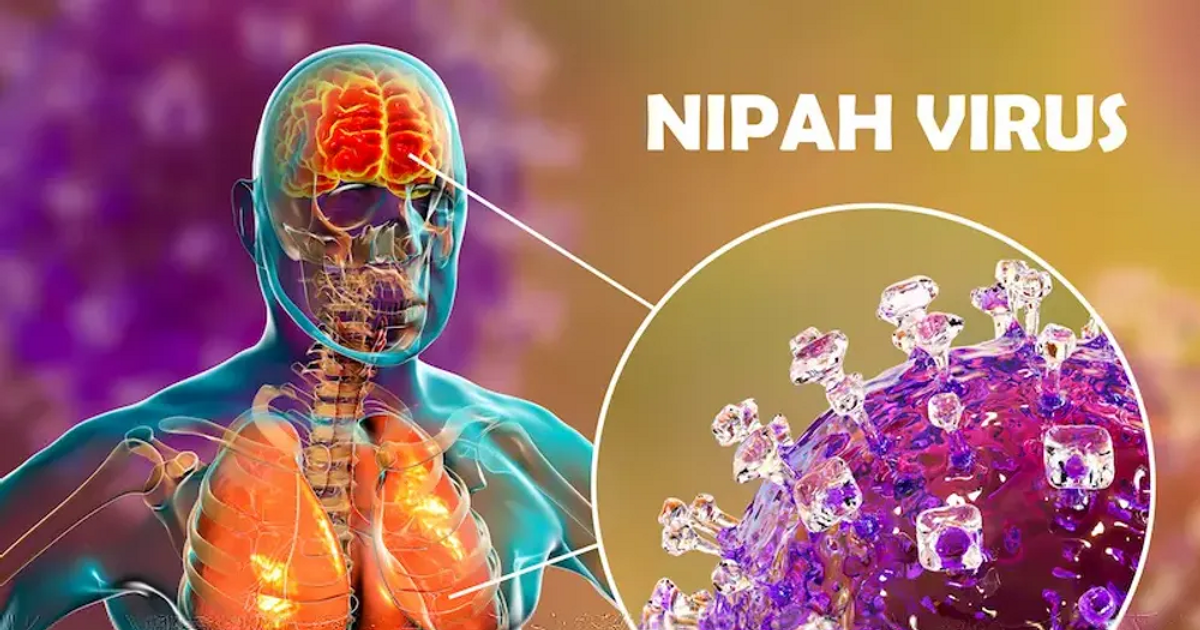
2. Limit Contact With Wild and Sick Animals
Direct contact with bats, pigs, or other animals that appear sick should be strictly avoided. Farmers and animal handlers are advised to use protective equipment and report unusual animal illnesses immediately to authorities.
3. Practice Strict Personal Hygiene
Frequent handwashing with soap and water, especially after handling animals or visiting markets, significantly reduces the risk of infection. This basic measure remains one of the most effective tools against zoonotic diseases.
4. Follow Infection Control Measures in Healthcare Settings
Healthcare workers are at higher risk during outbreaks. Experts emphasize the importance of masks, gloves, protective clothing, and proper isolation procedures when treating suspected or confirmed cases. Early identification and containment can save lives.
5. Seek Medical Attention Immediately for Symptoms
Anyone experiencing sudden fever, severe headache, breathing difficulty, or neurological symptoms—especially after potential exposure—should seek medical care without delay. Early supportive treatment can improve survival chances and reduce further transmission.
A Wake-Up Call, Not a Cause for Panic
Health authorities are clear: this is not a call for fear, but for awareness. Nipah virus outbreaks remain relatively contained when communities respond quickly and responsibly. However, complacency can be deadly. Each resurgence is a reminder that emerging infectious diseases thrive where prevention fails.
Experts also stress the importance of transparent communication, community education, and international cooperation. Surveillance systems, rapid diagnostics, and research into vaccines and treatments are ongoing, but until medical breakthroughs arrive, human behavior remains the first line of defense.
The Bigger Picture
The return of Nipah underscores a broader reality of the modern world: as humans encroach further into natural ecosystems, the boundary between wildlife and people continues to blur. Viruses that once circulated quietly in animals now have more opportunities to cross into human populations—with catastrophic results.
Nipah may not dominate headlines like more common viruses, but its lethality demands respect. A fatality rate above 40% is not a statistic to ignore. For now, prevention, awareness, and rapid response are the only shields standing between communities and one of the deadliest viruses known to science.