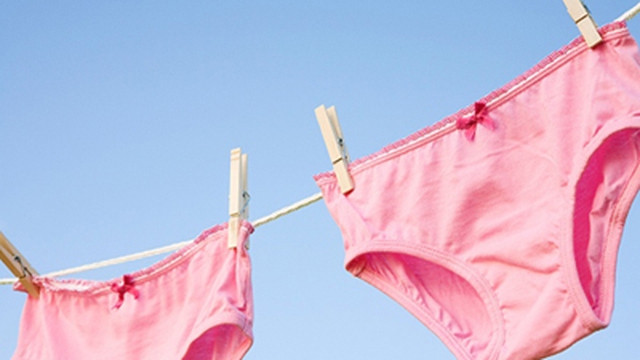
It might seem like a simple or even awkward question, but how often you change your underwear has a direct impact on your hygiene,
skin health, and overall comfort. Doctors and hygiene experts agree that underwear plays a crucial role in protecting some of the most
sensitive areas of the body. Wearing it too long can invite bacteria, fungi, odors, and irritation - while changing it properly supports cleanliness
and prevents infections.
So, how often is “often enough”? The answer depends on several factors, including activity level, climate, fabric choice, and personal health.
Let’s break it all down.
The Short Answer
For most people: change your underwear once every day.
That’s the general rule recommended by dermatologists and hygiene specialists. However, there are situations where more frequent changes
are necessary.
Why Changing Underwear Daily Matters
Underwear sits close to areas that naturally produce:
-
Sweat
-
Oils
-
Dead skin cells
-
Bacteria
Throughout the day, moisture and warmth create an ideal environment for microorganisms to grow. Even if you feel “clean,” bacteria can still
multiply rapidly.
Changing underwear daily helps:
-
Prevent bacterial and fungal infections
-
Reduce odor
-
Protect sensitive skin
-
Maintain proper genital hygiene
When You Should Change Underwear More Than Once a Day
1. After Heavy Sweating
If you:
-
Exercise
-
Work in hot conditions
-
Sweat heavily
You should change your underwear as soon as possible after sweating. Moist fabric traps bacteria and increases the risk of rashes and
infections.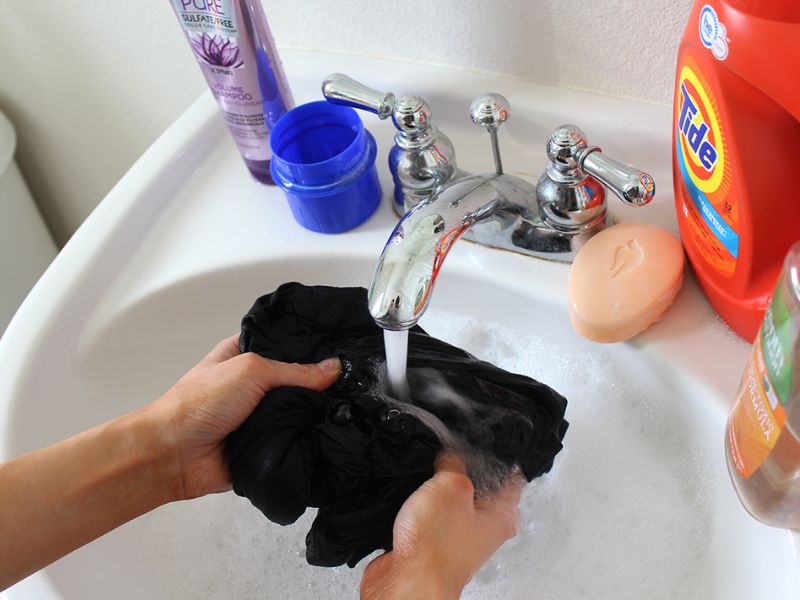
2. During Hot or Humid Weather
High humidity makes sweat evaporate more slowly, leaving underwear damp for longer periods. In these conditions, changing underwear
twice a day may be beneficial.
3. If You Have a Skin Condition or Infection
People dealing with:
-
Yeast infections
-
Fungal infections
-
Eczema or sensitive skin
May need to change underwear more frequently to keep the area dry and reduce irritation.
4. During Menstruation
During periods, underwear should be changed:
-
At least once daily
-
More often if there is leakage or moisture
This helps reduce odor and lowers the risk of irritation or infection.
Is It Ever Okay to Wear Underwear More Than One Day?
In general, no.
Even if underwear looks clean or doesn’t smell, bacteria are still present. Rewearing underwear increases the risk of:
-
Skin irritation
-
Urinary tract infections (UTIs)
-
Yeast infections
-
Odor buildup
The only exception might be emergency situations but it should never become a habit.
What About Sleeping Without Underwear?
Some doctors actually recommend sleeping without underwear, especially for women, because it:
-
Improves airflow
-
Reduces moisture
-
Helps prevent yeast infections
If you do sleep without underwear, make sure your sleepwear and bedding are clean and breathable.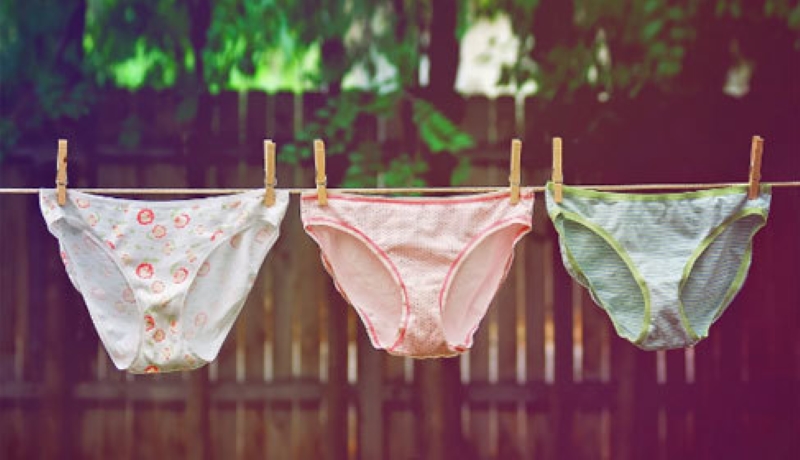
Does Fabric Choice Matter?
Absolutely.
Best Fabrics:
-
Cotton – breathable, moisture-absorbing, gentle on skin
-
Bamboo – breathable and antibacterial
-
Modal – soft and moisture-wicking
Fabrics to Be Cautious With:
-
Synthetic materials (polyester, nylon) can trap heat and moisture
-
Tight-fitting underwear reduces airflow
If you wear synthetic underwear, changing it more frequently is even more important.
How Often Should You Wash Underwear?
Underwear should be:
-
Washed after every single wear
-
Cleaned with warm or hot water (depending on fabric)
-
Fully dried before reuse
Avoid wearing damp or partially dried underwear—it encourages bacterial growth.
Signs You’re Not Changing Underwear Often Enough
Your body may send signals, including:
-
Persistent itching
-
Unusual odors
-
Skin redness or rashes
-
Recurrent infections
If you notice these symptoms, increasing how often you change underwear and choosing more breathable fabrics can help.
Underwear Hygiene for Different Lifestyles
Active Lifestyle
-
Change underwear after workouts
-
Carry an extra pair if needed
Office or Sedentary Lifestyle
-
Once daily is usually sufficient
-
Still change immediately if sweating occurs
Travel or Long Flights
-
Change after long periods of sitting
-
Moisture and heat build up faster
Final Thoughts
Changing your underwear daily isn’t just about feeling fresh - it’s about protecting your health.
The golden rule:
-
Once a day at minimum
-
More often if you sweat, exercise, or feel damp
Clean underwear supports healthy skin, prevents infections, and keeps you comfortable throughout the day.
It’s a small habit but one that makes a big difference.