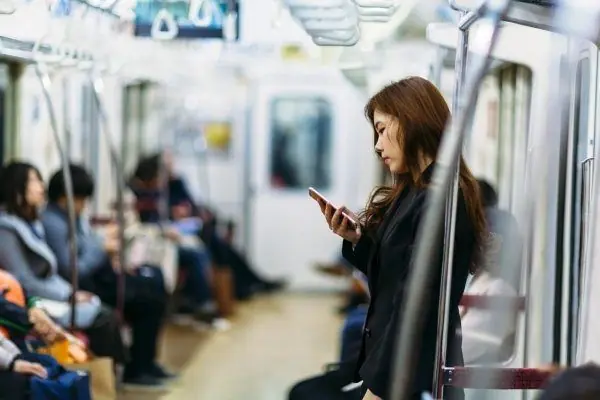
Why Are Japanese People So Quiet in Public Places?
If you’ve ever ridden a train in Japan, one detail likely stood out immediately: the silence. Even during rush hour, packed subway cars feel remarkably calm. Phones are on silent, conversations are whispered or avoided altogether, and people seem deeply respectful of shared space. For many visitors, this quiet atmosphere feels almost mysterious.
So why are Japanese people so quiet in public places? The answer lies not in strict rules or shyness—but in deeply rooted cultural values.
Silence as a Form of Respect
In Japanese culture, silence is not uncomfortable or awkward. Instead, it is often seen as a sign of consideration. Speaking loudly in public can draw attention to oneself and, more importantly, disturb others.
From a young age, Japanese people are taught to be aware of how their actions affect those around them. Keeping noise to a minimum in shared spaces—such as trains, buses, elevators, and waiting rooms—is viewed as a basic courtesy.
Being quiet is not about suppression; it’s about respect.
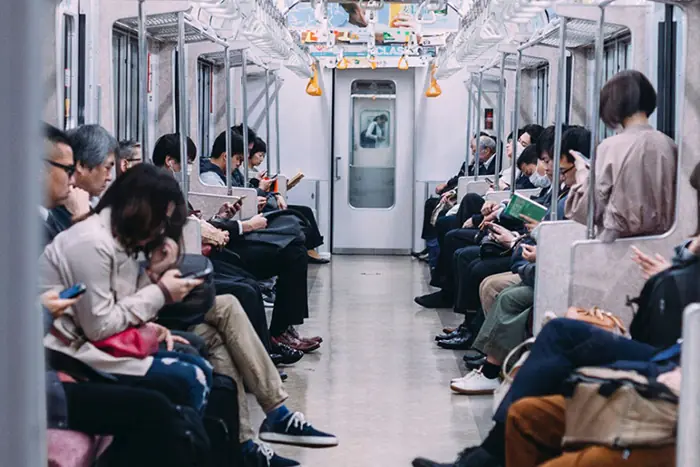
The Concept of “Meiwaku” (Avoiding Inconvenience)
One key cultural idea behind public silence is meiwaku, which roughly translates to “causing trouble or inconvenience to others.” In Japan, avoiding meiwaku is a strong social value.
Loud phone calls, animated conversations, or even unnecessary sounds are considered potential disturbances. On public transportation, where people are tired, commuting, or seeking personal space, silence helps everyone coexist more comfortably.
This is why phone calls on trains are strongly discouraged and why many signs ask passengers to switch phones to silent mode.
Public Space vs. Private Space
Another important factor is how Japanese culture distinguishes between public and private behavior. Public spaces are meant to be neutral, calm, and shared equally by everyone. Expressing strong emotions—whether loud laughter or anger—is often reserved for private settings among close friends or family.
You’ll notice that once people step into restaurants, bars, or private gatherings, the atmosphere changes dramatically. The same individuals who were silent on the train may become lively and expressive.
The quietness, therefore, is situational—not personal.
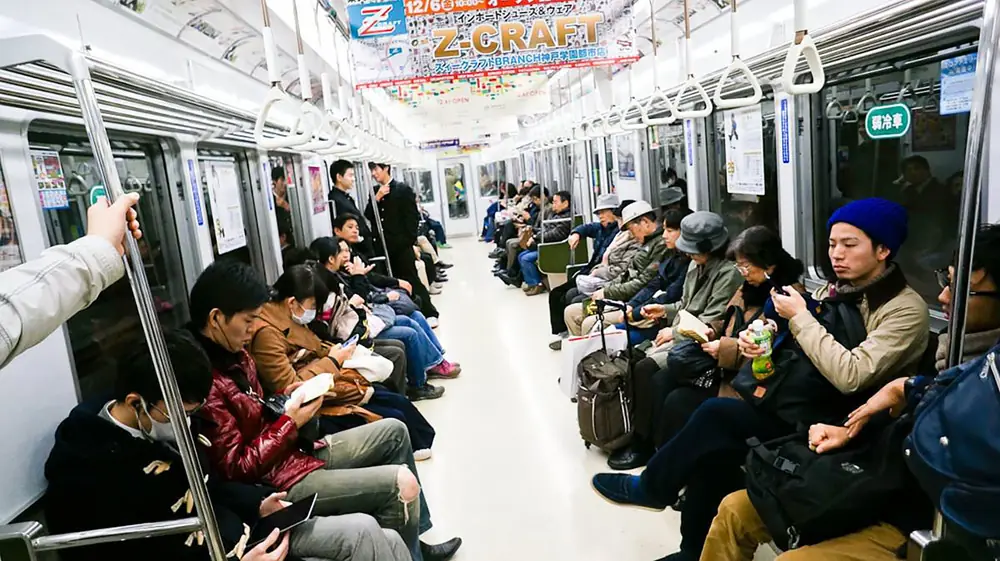
Group Harmony Over Individual Expression
Japanese society places great importance on wa, or social harmony. Maintaining a peaceful environment helps ensure that no one stands out or disrupts the group.
In crowded cities like Tokyo, where millions of people share limited space daily, this unspoken agreement to keep things quiet allows society to function smoothly. Silence becomes a cooperative effort rather than an enforced rule.
It’s Not About Being Cold or Unfriendly
Many visitors mistakenly assume that silence means emotional distance or unfriendliness. In reality, it’s quite the opposite. The quiet behavior reflects empathy and social awareness.
If a tourist asks for help, most Japanese people are extremely polite and eager to assist. The reserved public demeanor simply reflects cultural norms—not a lack of warmth.
A Cultural Habit Reinforced by Daily Life
Over time, this behavior becomes second nature. School environments, workplaces, and public campaigns all reinforce the idea of being mindful in shared spaces. Announcements on trains politely remind passengers to keep voices low—not as punishment, but as a shared social expectation.
Rather than feeling restrictive, many residents find the quiet public atmosphere calming and mentally refreshing.
What Visitors Can Learn from This Silence
For many travelers, Japan’s quiet public spaces offer a surprising sense of peace. The experience invites reflection: what if public silence were viewed not as awkward, but as considerate?
Understanding this cultural value helps visitors not only avoid misunderstandings, but also appreciate the subtle ways Japanese society prioritizes mutual respect.
Final Thoughts
The silence of Japanese people in public places is not accidental, nor is it enforced by strict laws. It is the result of cultural values centered on respect, harmony, and awareness of others.
Once you understand the reasoning behind it, the quiet no longer feels strange—it feels intentional, thoughtful, and deeply human.
And for many visitors, it becomes one of the most memorable aspects of Japan.