Carob, scientifically known as Ceratonia siliqua, is a remarkable plant that has been nourishing and healing people for thousands of years.
Native to the Mediterranean region, the carob tree thrives in dry, rocky landscapes where few other crops can survive. While often compared
to chocolate because of its rich color and naturally sweet flavor, carob is far more than a simple cocoa substitute.
From digestive support and heart health to versatile culinary and homemade uses, carob stands out as a powerful, caffeine-free superfood
with deep historical roots and modern relevance.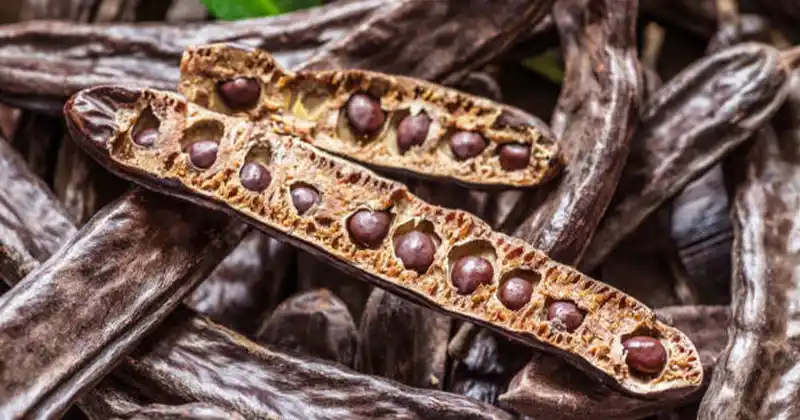
What Is Carob?
Carob comes from the long, dark brown pods of the carob tree. Once dried and ground, these pods become carob powder, a naturally sweet
ingredient used in baking, drinks, and traditional remedies.
Unlike cocoa, carob:
-
Contains no caffeine
-
Is naturally sweet, requiring little to no added sugar
-
Is low in fat
-
Is rich in fiber, minerals, and antioxidants
For centuries, carob pods were eaten fresh, dried, or ground into flour, and were even used as animal feed and emergency food during times
of famine.
Nutritional Profile of Carob
Carob is packed with beneficial nutrients, including:
-
Dietary fiber
-
Calcium
-
Potassium
-
Magnesium
-
Iron
-
Polyphenols and antioxidants
-
Natural sugars (mainly sucrose)
It is also naturally gluten-free and low in sodium, making it suitable for many dietary needs.
Health Benefits of Carob
1. Supports Digestive Health
Carob is exceptionally high in dietary fiber, which helps:
-
Improve bowel regularity
-
Relieve constipation
-
Support a healthy gut microbiome
Traditionally, carob powder and syrup were used to calm digestive upset, including diarrhea, especially in children and the elderly.
2. Naturally Caffeine-Free Energy
Unlike chocolate or coffee, carob provides gentle energy without stimulating the nervous system. This makes it ideal for:
-
Children
-
People sensitive to caffeine
-
Those with anxiety or sleep issues
You get flavor and nourishment without jitters or crashes.
3. Promotes Heart Health
Carob contains insoluble fiber and antioxidants that may help:
-
Lower LDL (“bad”) cholesterol
-
Improve blood vessel function
-
Reduce oxidative stress
Regular consumption has been linked to improved lipid profiles and overall cardiovascular support.
4. Helps Regulate Blood Sugar
Despite its sweetness, carob has a relatively low glycemic index when consumed in moderation. Its fiber slows sugar absorption, helping:
-
Prevent blood sugar spikes
-
Improve insulin sensitivity
This makes carob a better alternative to refined sugars and chocolate for people managing blood sugar levels.
5. Rich in Antioxidants
Carob is loaded with polyphenols that help:
-
Neutralize free radicals
-
Reduce inflammation
-
Protect cells from oxidative damage
These antioxidants support healthy aging and may lower the risk of chronic disease.
6. Bone-Strengthening Minerals
Carob is a surprisingly good source of calcium and magnesium—both essential for:
-
Bone density
-
Muscle function
-
Nerve signaling
Unlike dairy-based calcium sources, carob contains no lactose.
7. May Reduce Acid Reflux
Carob has been traditionally used to relieve acid reflux and heartburn, especially in infants. Its natural compounds help absorb excess stomach
acid and soothe the digestive tract.
Homemade Uses of Carob
Carob’s mild sweetness and versatility make it perfect for homemade foods and natural remedies.
1. Homemade Carob Powder
How to make it:
-
Break dried carob pods into small pieces
-
Roast them lightly in the oven until fragrant
-
Grind into a fine powder
Use it as a cocoa substitute in baking or drinks.
2. Carob Hot Drink (Chocolate Alternative)
Ingredients:
-
1 tablespoon carob powder
-
1 cup milk or plant-based milk
-
Honey or maple syrup (optional)
Warm gently and stir well. This drink is soothing, comforting, and caffeine-free.
3. Carob Syrup (Traditional Remedy)
Carob syrup has been used for centuries as a natural cough suppressant and digestive tonic.
Basic method:
-
Simmer chopped carob pods in water
-
Strain and reduce liquid until thick
-
Store in glass jars
Traditionally taken by the spoonful or added to tea.
4. Baking with Carob
Carob powder can replace cocoa powder in:
-
Cakes and brownies
-
Cookies and muffins
-
Energy bars
Because it’s sweeter than cocoa, recipes usually require less added sugar.
5. Carob Spread
Blend carob powder with:
-
Nut butter
-
A touch of coconut oil
-
Honey or dates
The result is a chocolate-like spread without caffeine or bitterness.
6. Natural Animal Treats
Carob is safe for dogs and often used in pet treats as a chocolate alternative, since cocoa is toxic to animals.
