What Happens to the Body After Gallbladder Removal? Three Conditions That May Follow
Gallbladder removal, medically known as cholecystectomy, is one of the most common surgeries performed worldwide. For many patients suffering from gallstones or chronic gallbladder inflammation, the procedure brings fast relief from pain and digestive distress. However, what often receives less attention is what happens after the gallbladder is gone—and how the body adapts to life without it.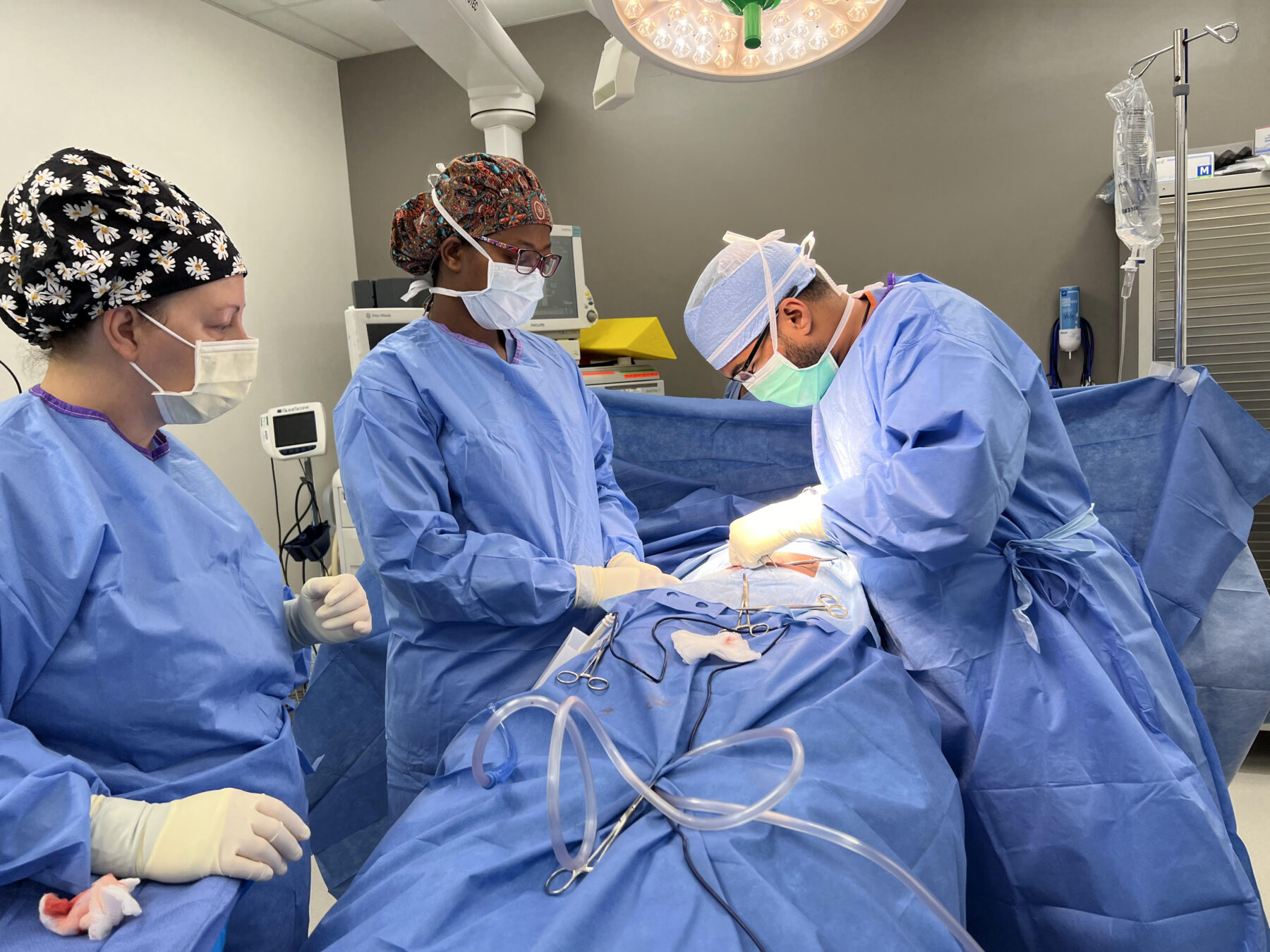
While gallbladder removal is generally considered safe and necessary in many cases, doctors increasingly emphasize that it is not always a decision to rush. Understanding the potential long-term effects can help patients make informed choices and prepare their bodies for recovery.
The Gallbladder’s Role: Small Organ, Big Function
The gallbladder does not produce bile—that job belongs to the liver. Instead, it stores and concentrates bile, releasing it in controlled amounts when fatty foods are eaten. This timing helps digest fats efficiently and protects the digestive tract from excess bile.
When the gallbladder is removed, bile flows directly from the liver into the intestines continuously, rather than on demand. For many people, the body adapts smoothly. For others, this change can trigger lingering digestive issues.
1. Digestive Discomfort and Chronic Diarrhea
One of the most common complaints after gallbladder removal is post-cholecystectomy diarrhea. Without regulated bile release, excess bile may enter the intestines, irritating the gut lining and speeding up digestion.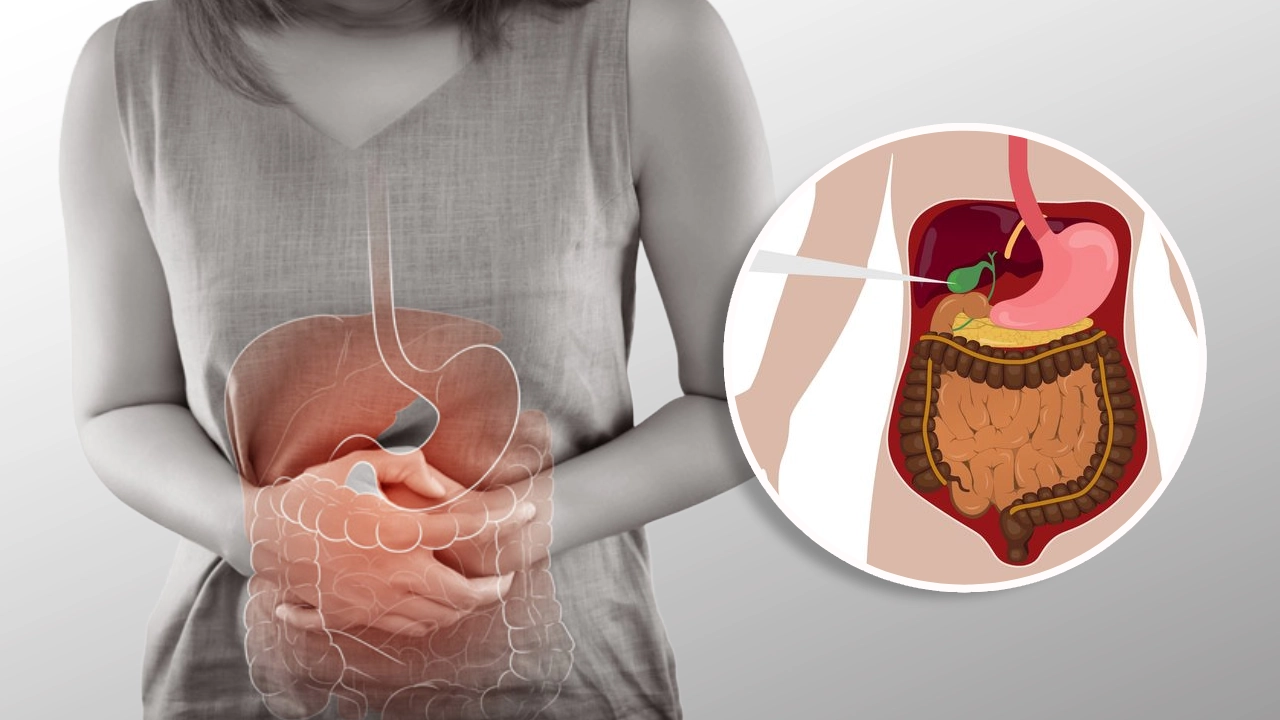
Patients may experience:
-
Frequent loose stools
-
Bloating and cramping
-
Urgency after meals, especially fatty ones
While symptoms often improve over time, some individuals report persistent digestive instability that requires dietary changes or bile-binding medications.
2. Fat Malabsorption and Nutrient Imbalance
Bile plays a key role in absorbing fat-soluble vitamins such as A, D, E, and K. When bile delivery becomes less efficient, some people may struggle to digest fats properly.
This can lead to:
-
Greasy or floating stools
-
Fatigue due to poor nutrient absorption
-
Difficulty tolerating oily or fried foods
Over time, nutrient imbalances may develop if dietary adjustments are not made. Doctors often recommend smaller meals, reduced fat intake, and close nutritional monitoring after surgery.
3. Bile Reflux and Gut Irritation
Another condition that may follow gallbladder removal is bile reflux, where bile flows back into the stomach or esophagus. Unlike acid reflux, bile reflux is harder to neutralize and can cause ongoing irritation.
Symptoms may include:
-
Burning discomfort in the upper abdomen
-
Nausea after eating
-
Chronic gastritis-like symptoms
In some cases, bile reflux may contribute to inflammation of the stomach or intestinal lining, requiring long-term management.
Why Doctors Say “Avoid Surgery If Possible”
Medical guidelines increasingly stress that gallbladder removal should be carefully evaluated, especially for mild or asymptomatic gallstones. Lifestyle changes, dietary adjustments, and medication may control symptoms in certain patients, delaying or avoiding surgery altogether.
However, when gallbladder disease leads to severe pain, infection, or complications like pancreatitis, surgery remains the safest and most effective treatment.
The key is not fear—but informed decision-making.
Life After Gallbladder Removal: What Helps
For those who do undergo surgery, recovery doesn’t end in the operating room. Doctors often recommend:
-
Eating smaller, low-fat meals
-
Gradually reintroducing foods
-
Staying hydrated
-
Monitoring digestive changes
-
Seeking follow-up care if symptoms persist
Many people live healthy, normal lives without a gallbladder—but listening to the body during recovery is essential.
The Bigger Picture
Gallbladder removal can be life-changing in the best way for those in pain. Still, it is not a “minor” decision simply because it is common. Understanding the gallbladder’s role—and the conditions that may follow its removal—empowers patients to ask better questions and take charge of their long-term health.
When possible, prevention, early intervention, and personalized medical guidance remain the strongest tools of all.