“The World’s Deadliest Food” Kills More Than 200 People a Year — Yet Millions Still Eat It
At first glance, it looks harmless.
Plain. Starchy. Almost bland. The food shown in the image is cassava, a root crop eaten daily by more than 800 million people worldwide. In many regions, it is a dietary staple and a vital source of calories. And yet, cassava has earned a chilling reputation: when prepared incorrectly, it can be deadly.
Every year, cassava-related poisoning is responsible for hundreds of deaths and thousands of cases of severe illness. The danger does not come from overeating or contamination—but from the plant itself.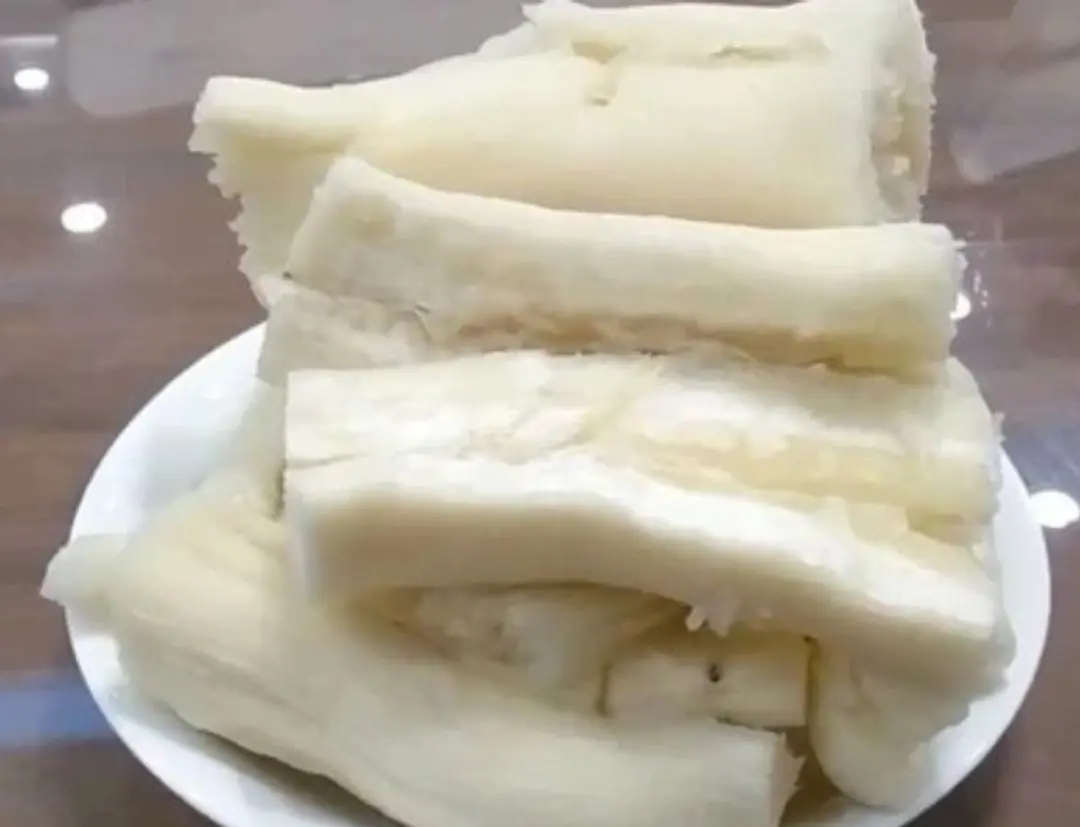
What Makes Cassava So Dangerous?
Cassava naturally contains cyanogenic glycosides, compounds that can release hydrogen cyanide when the root is damaged, soaked improperly, or eaten raw. Cyanide is a fast-acting poison that interferes with the body’s ability to use oxygen.
In small amounts, the human body can detoxify cyanide.
In larger amounts—or with repeated exposure—it becomes lethal.
This is why cassava is often referred to as “the world’s deadliest food.”
Why Millions Still Eat It
Despite the risk, cassava remains essential in many parts of Africa, Asia, and Latin America because:
-
It grows in poor soil where other crops fail
-
It is drought-resistant
-
It provides affordable calories for low-income communities
For many families, cassava is not a choice—it is a necessity.
When prepared correctly, cassava is safe.
When prepared incorrectly, it can be fatal.
How Cassava Poisoning Happens
Cassava must undergo proper processing before consumption. This includes peeling, soaking, fermenting, drying, and cooking. Problems arise when these steps are rushed or skipped.
Common causes of poisoning include:
-
Eating raw or undercooked cassava
-
Insufficient soaking or fermentation
-
Using bitter cassava varieties without proper treatment
-
Food shortages forcing people to consume cassava early
In times of famine or conflict, poisoning rates rise sharply.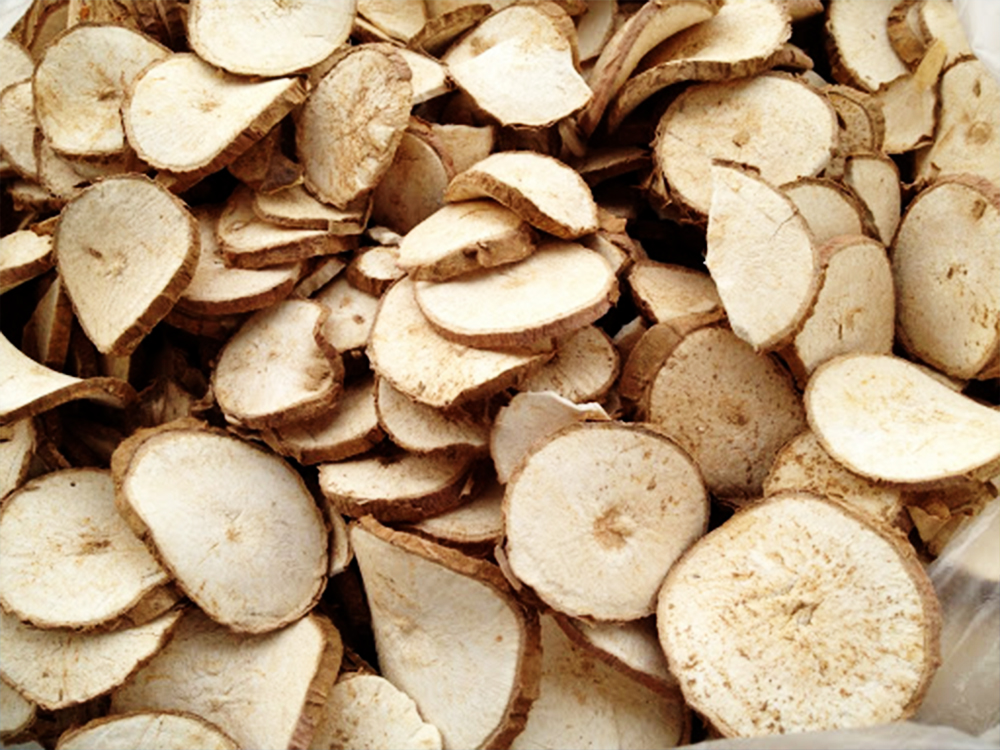
The Silent Threat: Chronic Exposure
Not all cassava-related deaths are sudden.
Long-term, low-level cyanide exposure from poorly processed cassava can lead to:
-
Neurological disorders
-
Paralysis (konzo disease)
-
Cognitive impairment in children
-
Thyroid damage
Konzo, a permanent paralytic condition, has affected entire villages where cassava is the primary food source and protein intake is low.
Who Is Most at Risk?
Cassava poisoning disproportionately affects:
-
Children
-
Pregnant women
-
Malnourished individuals
-
Communities with limited access to safe processing methods
Protein deficiency increases the body’s vulnerability because protein is needed to detoxify cyanide.
Why Deaths Still Occur Today
With modern knowledge, cassava poisoning is largely preventable. However, deaths continue due to:
-
Poverty and food insecurity
-
Lack of education about proper preparation
-
Climate-driven crop failures
-
Emergency situations where time is limited
In these circumstances, people are forced to eat what they have—sometimes with deadly consequences.
How Cassava Can Be Made Safe
When handled correctly, cassava is not dangerous. Safe preparation methods include:
-
Thorough peeling (toxins are concentrated in the skin)
-
Long soaking in water
-
Fermentation
-
Sun-drying
-
Complete cooking
These steps allow cyanide compounds to break down and escape before consumption.
The Bigger Picture
Cassava is not inherently evil—it is misunderstood and underestimated. It represents both survival and danger, depending on context. For millions, it is the difference between hunger and nourishment. For others, it has become a silent killer due to lack of resources and knowledge.
The Bottom Line
Cassava feeds the world—but it demands respect.
It is one of the few foods that can nourish millions and kill hundreds at the same time. The danger lies not in the food itself, but in how it is prepared, and in the conditions under which people are forced to eat it.
Understanding cassava’s risks is not about fear—it’s about awareness, education, and prevention.
Because the most dangerous foods are often the ones we think we know best.