It’s easy to overlook the quiet power of a tree you pass every day. Lining suburban streets and public parks, glowing with fiery reds and golds each autumn, the American sweetgum seems like nothing more than a beautiful ornamental tree. Yet long before modern medicine existed, this very tree was revered as one of North America’s most valuable natural healers.
Known scientifically as Liquidambar styraciflua, the American sweetgum once held a central place in Indigenous medicine, early colonial apothecaries, and even European pharmacology. Its fragrant amber resin, medicinal bark, and aromatic leaves were used to treat wounds, infections, respiratory illnesses, and inflammation. Over time, however, this knowledge faded, replaced by concrete sidewalks and landscaping aesthetics.
Today, science is rediscovering what ancient healers already understood. Hidden within this familiar tree are compounds with antimicrobial, anti-inflammatory, antioxidant, and even antiviral potential. Slowly but surely, the American sweetgum is reclaiming its long-lost identity as the “Forgotten Healing Tree.”
The American Sweetgum: A Tree of Strength and Beauty
The American sweetgum is a tall deciduous tree native to the southeastern United States, extending into Mexico and parts of Central America. In ideal conditions, it can reach over 100 feet in height, forming a broad canopy of star-shaped leaves that transform dramatically in autumn.
Its most recognizable feature is the spiky seed pod—round, bristled balls that fall abundantly to the ground. While often considered a nuisance today, these pods once held immense medicinal value. Within them, along with the bark, lies a fragrant resin historically known as storax or liquid amber.
This resin is the origin of the tree’s name: Liquidambar, meaning “liquid amber.” It is the key to the sweetgum’s healing legacy.
Indigenous Wisdom: Medicine Rooted in the Land
Long before scientific laboratories existed, Native American tribes across the southeastern United States recognized the sweetgum as a powerful medicinal ally. Tribes such as the Cherokee and Choctaw used nearly every part of the tree with intention and care.
-
Resin was applied directly to wounds, cuts, and insect bites to prevent infection and speed healing.
-
Bark teas were brewed to treat diarrhea, fevers, coughs, and digestive distress.
-
Leaf poultices were placed on inflamed skin, rashes, and sore joints.
The resin was also chewed like gum—not merely as a pastime, but to support oral health and relieve respiratory discomfort. In Indigenous traditions, the sweetgum was more than medicine; it symbolized protection, balance, and resilience.
From the Americas to Europe: A Colonial Remedy
When Spanish explorers arrived in the Americas, they quickly noticed the medicinal practices of Indigenous peoples. Historical records indicate that Hernán Cortés sent samples of sweetgum resin back to Spain in the early 1500s, describing it as a healing balm used by native cultures.
In Europe, it became known as liquid storax and was sold in apothecaries as a treatment for:
-
Wounds and skin infections
-
Chest congestion and coughs
-
Inflammatory conditions
Its rich, balsamic aroma also made it valuable in perfumes, incense, and religious ceremonies. By the 18th and 19th centuries, American herbal texts listed sweetgum extracts as remedies for bronchitis, dysentery, and ulcers.
The Healing Chemistry of Sweetgum Resin
What made sweetgum so effective wasn’t superstition—it was chemistry.
The golden resin that seeps from the bark contains a complex blend of bioactive compounds, including:
-
Cinnamic acid, known for antimicrobial and anti-inflammatory effects
-
Eugenol, an antiseptic compound also found in cloves
-
Coumarin, which contributes to muscle relaxation and circulation support
-
Benzaldehyde, a mild disinfectant with aromatic properties
Together, these compounds create a synergistic effect that helps protect tissues, reduce inflammation, and fight infection.
Respiratory Relief and Immune Support
Traditional healers often used sweetgum resin internally in small amounts or as steam inhalation. When warmed or chewed, it releases volatile oils that help open airways, loosen mucus, and soothe irritated lungs.
For centuries, it was a natural expectorant used during outbreaks of influenza, colds, and bronchial infections—long before antibiotics or antiviral drugs existed.![Sweetgum Pleached Tree [Liquidambar styraciflua] for Privacy Screening | Pleached Trees for Sale in the UK | Just Pleachy® | Pleached Trees for Sale in the UK | Just Pleachy®](https://justpleachy.co.uk/cdn/shop/files/sweetgum-pleached-tree-liquidambar-styraciflua-for-privacy-screening-potted-pleached-tree-deciduous-sweetgum-pleachy-trees-591855.jpg?v=1757519045&width=1946)
When Modern Science Took Notice
For generations, sweetgum’s reputation was rooted in folk medicine. Then, in the early 21st century, researchers made a surprising discovery.
During the global influenza crisis of 2005, scientists identified shikimic acid—a crucial ingredient in the production of the antiviral drug oseltamivir (Tamiflu)—within the seed pods of the American sweetgum.
Until then, most commercial shikimic acid came from star anise. Sweetgum suddenly emerged as a potential sustainable, locally sourced alternative.
Further research revealed that extracts from sweetgum bark and resin showed activity against certain RNA viruses, including strains of influenza and herpes simplex. Studies also highlighted strong antioxidant and cytoprotective effects, confirming its ability to neutralize free radicals and protect cells from oxidative damage.
What ancient healers knew intuitively, science was now proving in laboratories.
Traditional Uses Making a Modern Comeback
As interest in herbal medicine and sustainable health grows, many people are rediscovering safe, traditional ways to use sweetgum today.
Sweetgum Resin Balm
Traditionally used for minor wounds, burns, and insect bites, this balm helps soothe, protect, and disinfect the skin.
Sweetgum Tea
Mild infusions made from bark or leaves have been used for coughs, congestion, and digestive discomfort—always in small, careful amounts.
Steam Inhalation
Adding resin or bark extract to hot water and inhaling the steam helps relieve sinus congestion and respiratory irritation.
These remedies reflect a broader return to plant-based healing rooted in respect and moderation.
Beyond Medicine: Ecological and Cultural Value
The American sweetgum’s importance extends far beyond human health.
-
Its seeds feed birds, squirrels, and small mammals
-
Its canopy supports insects and pollinators
-
Its resin continues to be used in perfumery under the name “liquidambar”
Culturally, the tree has long symbolized endurance and balance—thriving in diverse soils and climates, much like the people who once relied on it.
Safety and Responsible Use
Despite its benefits, sweetgum should be used with care:
-
Internal use should be mild and limited
-
Resin should be patch-tested before topical use
-
Pregnant individuals and children should avoid internal use
-
Those sensitive to balsams or resins should proceed cautiously
As with all herbal remedies, guidance from a qualified healthcare provider is essential.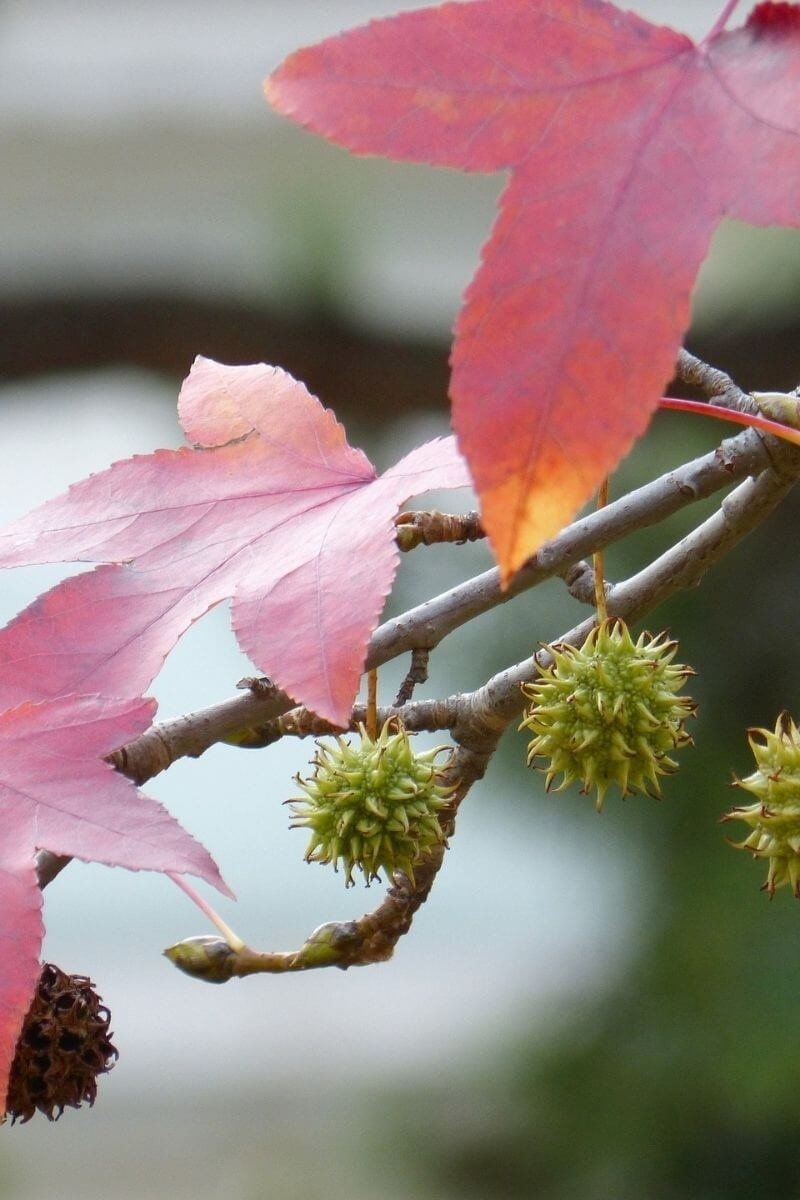
A Tree Remembered, A Future Reclaimed
The American sweetgum is not merely a backdrop to autumn landscapes - it is a living archive of medicinal history, ecological balance, and scientific promise.
From Indigenous wisdom to antiviral research, its story reminds us that nature’s most powerful remedies often grow quietly beside us, overlooked and underestimated.
Perhaps the time has come to remember the sweetgum not just for its beauty, but for its deeper gift: a reminder that healing, like wisdom, is often rooted in the past—waiting patiently to be rediscovered.