
Mixing Garlic, Honey, and Cloves: The “Forbidden” Remedy Everyone Talks About—and What No One Tells You
It sounds like a recipe pulled from a medieval apothecary: raw garlic crushed into honey, spiked with aromatic cloves. Online, it’s often described as a “secret cure,” a blend so powerful that pharmaceutical companies supposedly don’t want you to know about it. Videos promise immune protection, infection-fighting power, and near-miraculous results—sometimes overnight.
The truth, however, is more complex, more interesting, and far more revealing than the viral hype suggests.
Why This Combination Has Survived for Centuries
Garlic, honey, and cloves weren’t randomly paired. Each ingredient has a long history in traditional medicine across Asia, the Middle East, and Europe.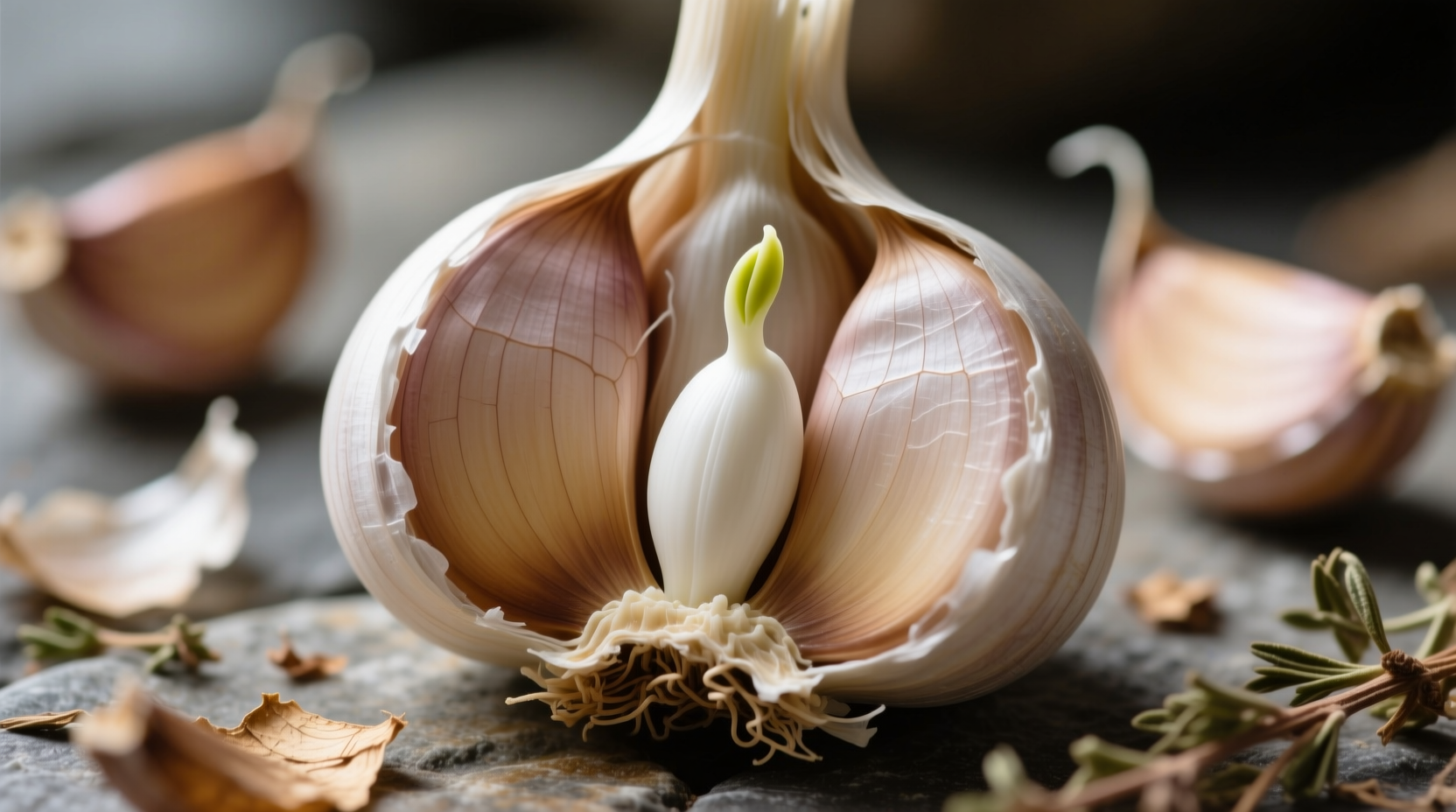
Garlic contains sulfur compounds—most famously allicin—that have shown antimicrobial activity in laboratory studies. Honey, especially raw or manuka varieties, has natural antibacterial properties and has been used in wound care for centuries. Cloves are rich in eugenol, a compound known for its antiseptic and anti-inflammatory effects.
Put together, these ingredients create a potent sensory experience: sharp, sweet, and warming. Historically, they were used not as instant cures, but as supportive tonics during cold seasons, fatigue, or recovery.
That’s the part most viral posts leave out.
The “Secret” No One Mentions
Here’s the uncomfortable truth: this mixture is not a cure-all, and it was never meant to be.
What makes the garlic–honey–clove blend effective is not that it “kills all infections,” but that it may help the body function better under stress. These ingredients can support immune signaling, reduce oxidative stress, and create an environment that is less friendly to certain microbes. That’s very different from eradicating disease.
Another rarely mentioned fact? The benefits depend heavily on how it’s made and used. Allicin in garlic is unstable and degrades quickly. Heating it destroys much of its activity. Honey loses some beneficial enzymes when overly processed. Cloves, used excessively, can irritate the stomach and liver.
The viral versions don’t warn you about any of this.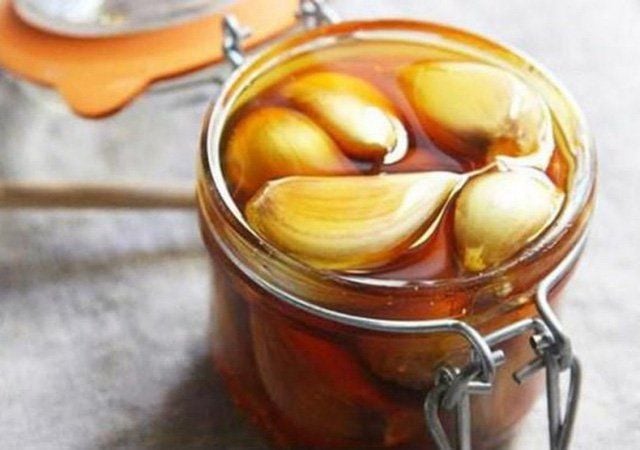
Why People Swear by It Anyway
Despite the exaggeration, many people genuinely feel better after using this mixture. That’s not imaginary.
The combination stimulates digestion, increases saliva and gastric secretions, and creates a warming effect that can temporarily ease throat discomfort and congestion. Honey soothes, garlic stimulates circulation, and cloves reduce oral bacteria. Together, they can make you feel stronger—especially during mild illnesses.
But feeling better is not the same as curing disease.
Where the Claims Go Too Far
Social media often frames this mixture as an alternative to antibiotics or medical treatment. That’s where things become dangerous.
No credible clinical evidence shows that consuming garlic, honey, and cloves can replace prescription medication for bacterial infections, viral illnesses, or chronic conditions. In fact, relying on home remedies alone can delay proper treatment and lead to serious complications.
Another hidden issue: garlic can thin the blood, honey spikes blood sugar, and cloves can interact with certain medications. For people with diabetes, bleeding disorders, or upcoming surgery, this “natural” mix may not be harmless at all.
Natural does not mean risk-free.
What Science Actually Supports
Modern research suggests that these ingredients may have adjunct benefits. Garlic may modestly support cardiovascular health and immune response. Honey can help suppress coughs and soothe inflammation. Cloves show promise in oral health and antioxidant protection.
Used occasionally, in small amounts, as part of a balanced diet, the mixture can be a comforting traditional remedy—not a medical breakthrough.
That distinction matters.
Why This “Secret” Keeps Going Viral
The appeal isn’t really about garlic or honey. It’s about control.
People are overwhelmed by complex health advice, expensive treatments, and conflicting information. A simple recipe feels empowering. It suggests that the answers have been hiding in your kitchen all along.
But the real secret isn’t that this mixture is magical. It’s that health is rarely built on shortcuts.
The Bottom Line
Mixing garlic, honey, and cloves isn’t a forbidden miracle. It’s an old-world tonic with real, limited benefits that have been inflated by modern hype. It can support wellness, but it cannot replace medicine. It can comfort the body, but it won’t cure serious illness.
The most powerful thing no one tells you isn’t what this mixture does—it’s what it doesn’t do.
And understanding that difference may be the healthiest takeaway of all.