9 Silent Signs of a Brain Blood Clot That May Appear Weeks Before a Stroke
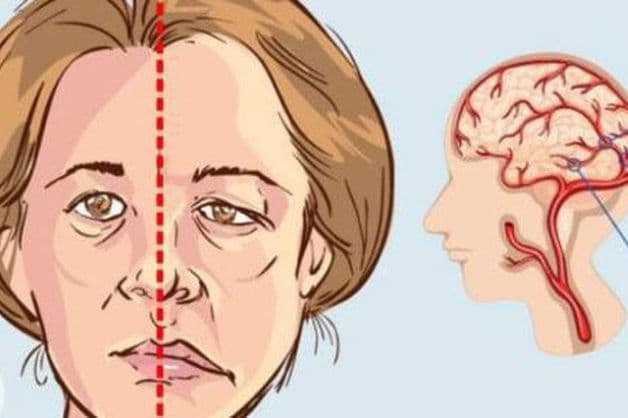
Strokes are often portrayed as sudden, dramatic events—someone collapses, speech slurs, and emergency sirens follow. But doctors warn that in many cases, a stroke does not come without warning. Instead, the body may send subtle, easily overlooked signals weeks or even months in advance, particularly when a blood clot is forming in or traveling toward the brain.
These early signs are frequently dismissed as stress, fatigue, aging, or minor neurological issues. Unfortunately, ignoring them can allow a clot to grow or move, eventually triggering a life-threatening stroke.
Medical experts stress that recognizing these silent warning signs early can dramatically reduce the risk of permanent brain damage—or death.
What Is a Brain Blood Clot?
A brain blood clot occurs when a clump of blood cells blocks normal blood flow to part of the brain. This blockage deprives brain tissue of oxygen and nutrients, causing cells to begin dying within minutes.
Blood clots can:
-
Form directly in brain arteries
-
Travel from the heart or neck to the brain
-
Gradually narrow blood vessels before causing complete blockage
Before a major stroke occurs, the brain may experience temporary or partial disruptions in blood flow, leading to early symptoms that come and go.
Why Early Symptoms Are Often Missed
The brain is highly adaptable. In early stages, it can compensate for reduced blood flow, masking serious problems. As a result:
-
Symptoms may be mild
-
Episodes may be brief
-
Signs may disappear completely
This creates a false sense of reassurance, causing many people to delay medical evaluation.
1. Unusual or Persistent Headaches
Not all headaches are harmless. Doctors warn that new, unexplained headaches, especially those that feel different from past headaches, can be an early sign of abnormal blood flow in the brain.
Red flags include:
-
Headaches that gradually worsen
-
Headaches resistant to pain medication
-
Pressure-like or throbbing pain
These headaches may appear days or weeks before a clot causes a stroke.
2. Sudden Episodes of Dizziness or Vertigo
Brief spells of dizziness, imbalance, or a spinning sensation can signal reduced blood supply to parts of the brain responsible for balance.
People often blame:
-
Dehydration
-
Inner ear issues
-
Fatigue
However, when dizziness occurs repeatedly or without a clear trigger, it may indicate vascular problems.
3. Temporary Vision Changes
Vision issues are among the most commonly ignored warning signs. These may include:
-
Blurred vision
-
Double vision
-
Brief vision loss in one eye
-
Seeing shadows or flashes
These symptoms often resolve within minutes, leading people to dismiss them. Doctors warn that temporary vision loss can be a serious precursor to stroke.
4. Numbness or Tingling on One Side of the Body
A key early sign of a developing brain clot is intermittent numbness or tingling, especially affecting:
-
One side of the face
-
One arm or hand
-
One leg or foot
These sensations may last only minutes and then disappear—but they reflect disrupted nerve signaling caused by reduced blood flow.
5. Subtle Speech or Language Difficulties
Before a major stroke, some individuals experience:
-
Trouble finding words
-
Slurred speech that quickly resolves
-
Difficulty understanding conversations
Because these episodes are short-lived, people often attribute them to stress or distraction. Experts emphasize that even brief speech problems should never be ignored.
6. Sudden Confusion or Mental Fog
A developing brain clot may cause episodes of:
-
Confusion
-
Difficulty concentrating
-
Memory lapses
These changes can feel vague and are often blamed on lack of sleep or anxiety. However, repeated mental fog without a clear explanation can signal impaired cerebral circulation.
7. Weakness That Comes and Goes
Unlike muscle fatigue, stroke-related weakness:
-
Appears suddenly
-
Affects one side more than the other
-
Improves and then returns
People may notice difficulty gripping objects, lifting an arm, or walking steadily—only for the problem to resolve hours later. Doctors warn that this pattern is especially concerning.
8. Unexplained Fatigue
Extreme, unexplained fatigue may seem harmless, but it can occur when the brain struggles to function efficiently due to reduced blood flow.
This fatigue:
-
Feels disproportionate to activity
-
Does not improve with rest
-
Often accompanies other subtle symptoms
When fatigue appears alongside neurological signs, it deserves urgent evaluation.
9. Brief Stroke-Like Episodes (Mini-Strokes)
Transient ischemic attacks (TIAs), often called mini-strokes, are temporary blockages that resolve on their own. Symptoms may include:
-
Sudden weakness
-
Vision loss
-
Speech difficulty
Because symptoms disappear, many people do not seek care. Doctors stress that a TIA is one of the strongest predictors of a major stroke.
Who Is Most at Risk?
While brain clots can affect anyone, higher-risk groups include:
-
Individuals with high blood pressure
-
People with diabetes or high cholesterol
-
Smokers
-
Those with heart rhythm disorders
-
People with a family history of stroke
However, experts emphasize that strokes increasingly occur in younger, otherwise healthy individuals.
Why Early Detection Is Critical
A stroke caused by a blood clot can often be prevented if detected early. Medical intervention may include:
-
Blood-thinning medication
-
Management of underlying risk factors
-
Lifestyle and dietary changes
Once a major stroke occurs, damage may be permanent.
When to Seek Medical Help
Doctors urge immediate evaluation if you experience:
-
Repeated neurological symptoms
-
Symptoms affecting one side of the body
-
Episodes that resolve and then return
Waiting for symptoms to become severe can be fatal.
Final Thoughts
A stroke rarely happens without warning. The body often sends quiet signals long before a medical emergency strikes. Learning to recognize these signs—and taking them seriously—can save lives.
If something feels off, even briefly, listen to your body.
Minutes matter. Weeks matter. Awareness matters.
Ignoring silent signs may cost everything.