Unexpected Symptoms That Mean Your Gallbladder Is in Trouble
The gallbladder is a small, pear-shaped organ located beneath the liver, yet its role in digestion is far more important than many people realize. Responsible for storing and releasing bile to help break down fats, the gallbladder works quietly in the background. When something goes wrong, however, the warning signs are often unexpected, subtle, and easy to misinterpret.
Gallbladder problems rarely begin with sharp, unmistakable pain. Instead, they tend to show up as vague discomfort, digestive changes, or symptoms that seem unrelated to the abdomen. Because of this, many people live with gallbladder disease for months—or even years—before receiving a diagnosis.
Medical experts warn that ignoring these early signals can lead to complications such as gallstones, inflammation, infection, or even gallbladder rupture. Below are unexpected symptoms that may indicate your gallbladder is in trouble.
1. Persistent Pain in the Upper Right Abdomen
One of the most common but often misunderstood symptoms is dull or intermittent pain in the upper right side of the abdomen. Unlike sharp stomach pain, gallbladder discomfort may feel like pressure, fullness, or aching.
This pain often:
-
Appears after eating, especially fatty meals
-
Radiates to the right shoulder or upper back
-
Comes and goes rather than remaining constant
Many people dismiss it as indigestion or muscle strain, but recurring pain in this area should never be ignored.
2. Pain Between the Shoulder Blades
Surprisingly, gallbladder issues can cause pain in the upper back, particularly between the shoulder blades. This happens because gallbladder inflammation can irritate nearby nerves, sending pain signals to other areas of the body.
This symptom is frequently mistaken for:
-
Poor posture
-
Stress-related tension
-
Long hours sitting or working
If back pain appears alongside digestive discomfort, the gallbladder may be the hidden cause.
3. Nausea and Vomiting After Eating
Occasional nausea is common, but repeated nausea or vomiting after meals, especially fatty or greasy foods, can indicate gallbladder dysfunction. When bile flow is disrupted, the body struggles to digest fats properly.
People often notice:
-
Feeling sick shortly after eating
-
A sudden loss of appetite
-
Discomfort that worsens with rich foods
These symptoms are often blamed on food poisoning or acid reflux, delaying proper diagnosis.
4. Bloating and Excessive Gas
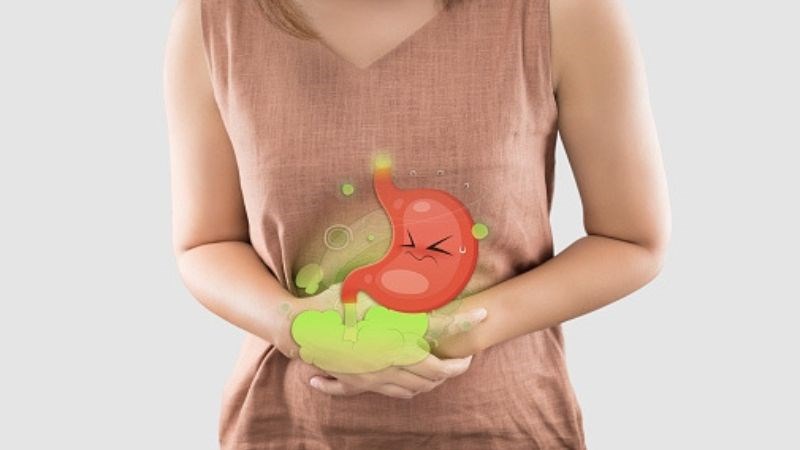
Chronic bloating, excessive gas, or a constant feeling of fullness can be a sign that bile is not being released efficiently. Without adequate bile, digestion becomes slow and uncomfortable.
Gallbladder-related bloating:
-
Occurs frequently, not occasionally
-
Worsens after meals
-
Does not improve with dietary changes alone
Because bloating is so common, many people tolerate it for years without realizing it may signal a deeper problem.
5. Changes in Stool Color or Texture
One of the clearest yet least discussed signs of gallbladder trouble is changes in bowel movements. Bile gives stool its normal brown color. When bile flow is blocked, stool may appear:
-
Pale or clay-colored
-
Greasy or floating
-
Foul-smelling
These changes indicate fat is not being digested properly and should prompt immediate medical attention.
6. Dark Urine and Yellowing of Skin
Gallbladder issues can sometimes affect bile ducts, leading to a buildup of bilirubin in the body. This can cause:
-
Dark or tea-colored urine
-
Yellowing of the skin or eyes (jaundice)
-
Itching without a clear cause
These symptoms suggest bile flow obstruction and are considered medical red flags.
7. Fever and Chills
While not always present in early stages, fever and chills may indicate gallbladder infection or inflammation. This often occurs when gallstones block bile flow, creating an environment for bacteria to grow.
When fever accompanies abdominal pain, nausea, or jaundice, urgent medical care is required.
Why Gallbladder Problems Are Often Missed
Gallbladder disease is frequently overlooked because:
-
Symptoms are non-specific
-
Pain may not be severe at first
-
Digestive issues are often normalized
Many people self-treat with antacids, dietary changes, or pain relievers, masking symptoms without addressing the root cause.
Who Is Most at Risk?
While gallbladder disease can affect anyone, risk is higher among:
-
Women
-
Adults over 40
-
Individuals with obesity or rapid weight loss
-
Those with a family history of gallstones
However, doctors stress that absence of risk factors does not rule out gallbladder disease.
The Importance of Early Diagnosis
When identified early, gallbladder problems are highly manageable. Treatment options may include:
-
Dietary adjustments
-
Medication
-
Minimally invasive surgery
Delayed treatment increases the risk of complications such as infection, bile duct damage, and pancreatitis.
When to See a Doctor
Medical experts recommend seeking evaluation if you experience:
-
Recurrent upper abdominal pain
-
Digestive symptoms lasting more than two weeks
-
Stool or urine color changes
-
Pain accompanied by fever or jaundice
Early consultation can prevent serious outcomes and significantly improve quality of life.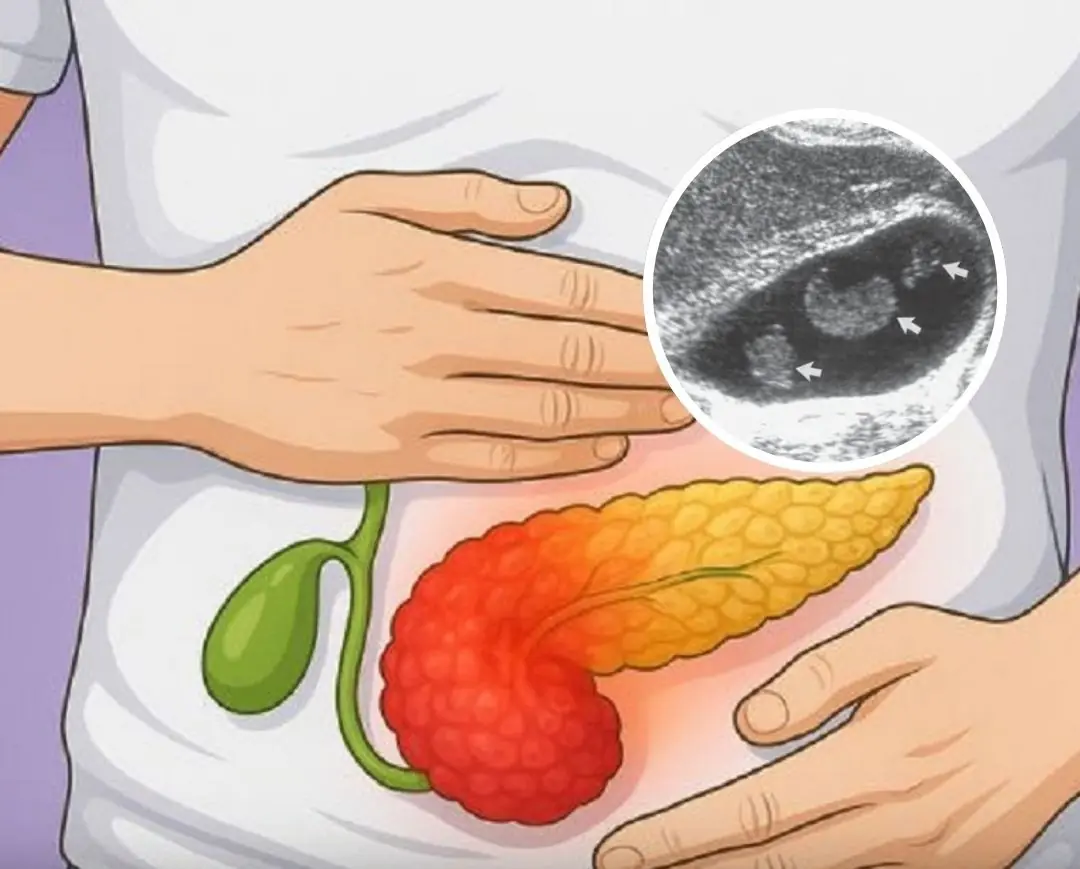
Final Thoughts
The gallbladder may be small, but when it struggles, the body sends signals—often in unexpected ways. Listening to these warning signs and acting early is essential.
Digestive discomfort should not be accepted as normal when it becomes persistent. Awareness, attention, and timely medical care can protect your health and prevent long-term complications.
Your body speaks quietly before it screams.