Thyroid Cancer Warning: 7 Early Body Changes You Should Never Ignore
Thyroid cancer is one of the fastest-growing cancer diagnoses worldwide, yet it remains widely misunderstood. Often described as a “silent disease,” thyroid cancer can develop quietly, with symptoms that appear subtle, common, and easy to dismiss. Because the thyroid gland plays a crucial role in regulating metabolism, hormones, and energy levels, even small changes can affect the entire body.
Located at the front of the neck, just below the Adam’s apple, the thyroid gland is small in size but powerful in function. When cancer begins to form in this gland, early warning signs may show up long before pain or severe illness appears. Recognizing these signs early can significantly improve treatment outcomes and long-term survival.
Below are seven early body changes linked to thyroid cancer. Medical experts note that the first three are surprisingly common and are often mistaken for harmless conditions.
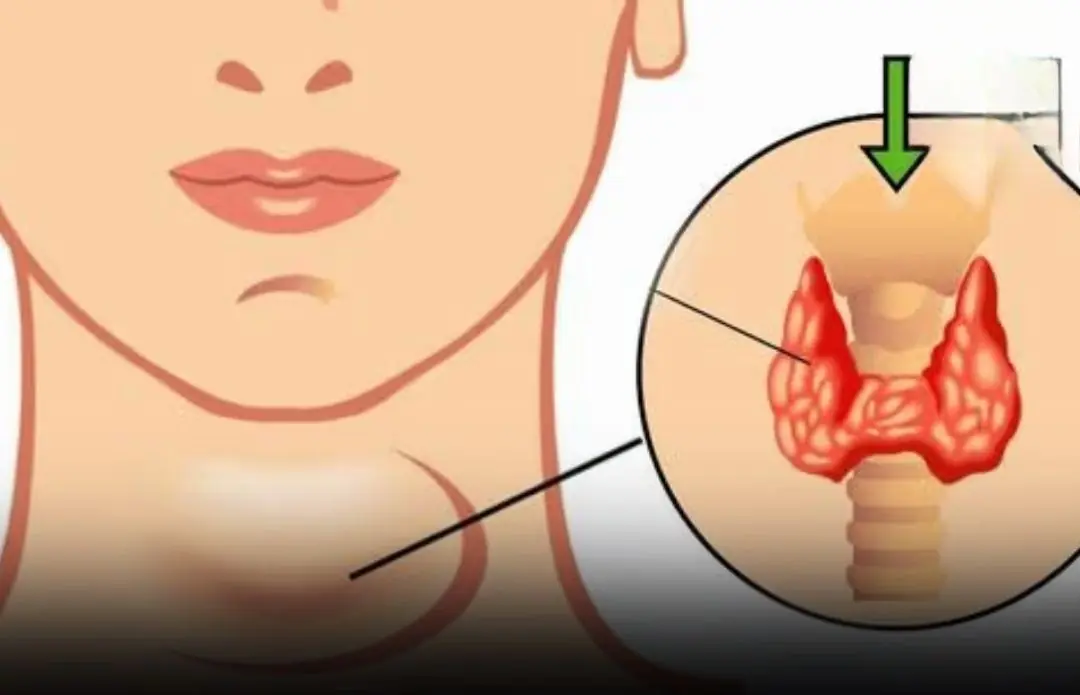
1. A Lump or Swelling in the Neck
The most well-known and most common early sign of thyroid cancer is a small lump or swelling in the neck. This lump is often painless and may be discovered accidentally while shaving, applying makeup, or looking in the mirror.
Unlike swollen lymph nodes caused by infections, a thyroid lump:
-
Usually does not go away on its own
-
Feels firm or fixed rather than soft
-
Slowly increases in size over time
While many thyroid nodules are benign, any new or persistent neck lump should be medically evaluated.
2. Hoarseness or Voice Changes
Another early but frequently overlooked symptom is a change in voice, particularly hoarseness that lasts for weeks. This happens when a thyroid tumor presses against or irritates the nerves that control the vocal cords.
People often blame this symptom on:
-
Seasonal allergies
-
A lingering cold
-
Excessive talking or shouting
However, hoarseness without obvious cause, especially when persistent, should never be ignored.
3. Difficulty Swallowing or Breathing
As the thyroid gland sits close to the esophagus and windpipe, even small growths can cause a sensation of tightness in the throat. Some people describe it as feeling like food is “stuck” or that there is pressure when swallowing.
In more advanced early cases, individuals may experience:
-
Shortness of breath when lying flat
-
A choking sensation
-
Discomfort when wearing tight collars
These symptoms are common and often misattributed to anxiety or acid reflux, which delays diagnosis.
4. Persistent Neck or Throat Pain
Pain is not usually the first symptom of thyroid cancer, but when it appears, it often manifests as dull, persistent discomfort in the neck or throat area. This pain may:
-
Radiate to the ears
-
Come and go without explanation
-
Worsen over time
Unlike muscle strain or sore throat pain, thyroid-related discomfort does not improve with rest or typical treatments.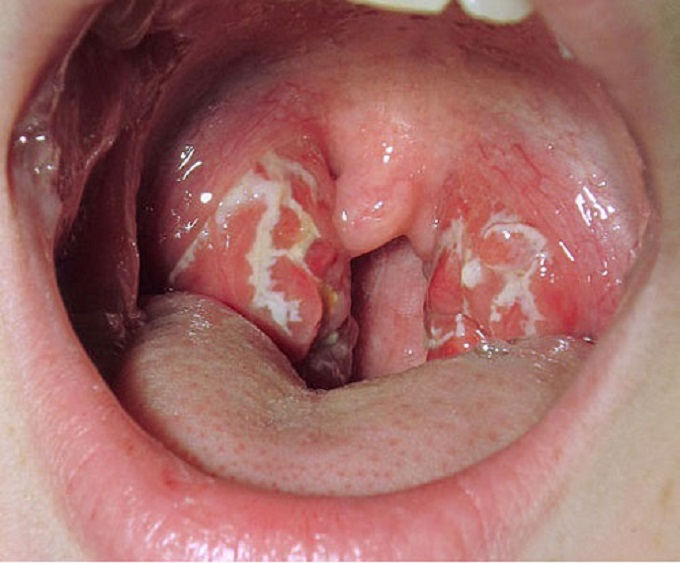
5. Swollen Lymph Nodes
Cancer cells can spread to nearby lymph nodes, causing swelling in the neck or jaw area. These swollen nodes may feel:
-
Firm
-
Painless
-
Non-movable
While infections commonly cause swollen lymph nodes, those linked to thyroid cancer often persist for weeks or months without signs of infection.
6. Unexplained Fatigue
Feeling constantly tired is one of the most misleading symptoms because it affects millions of people daily. However, thyroid cancer can disrupt hormone production, leading to unusual or persistent fatigue that does not improve with rest.
This type of fatigue may be accompanied by:
-
Brain fog
-
Reduced concentration
-
A general feeling of weakness
When fatigue appears alongside neck symptoms, it becomes more clinically significant.
7. Sudden Weight or Appetite Changes
Although more commonly associated with thyroid hormone disorders, unexplained weight changes can also signal thyroid cancer. Some individuals experience:
-
Unexpected weight loss
-
Loss of appetite
-
Changes in metabolism without lifestyle changes
These symptoms occur because the thyroid regulates how the body uses energy.
Why Thyroid Cancer Is Often Diagnosed Late
One of the biggest challenges with thyroid cancer is that early symptoms mimic everyday health issues. Many people delay seeking medical care because:
-
The symptoms are painless
-
They seem minor or temporary
-
Daily life continues normally
As a result, tumors may grow silently for months or even years.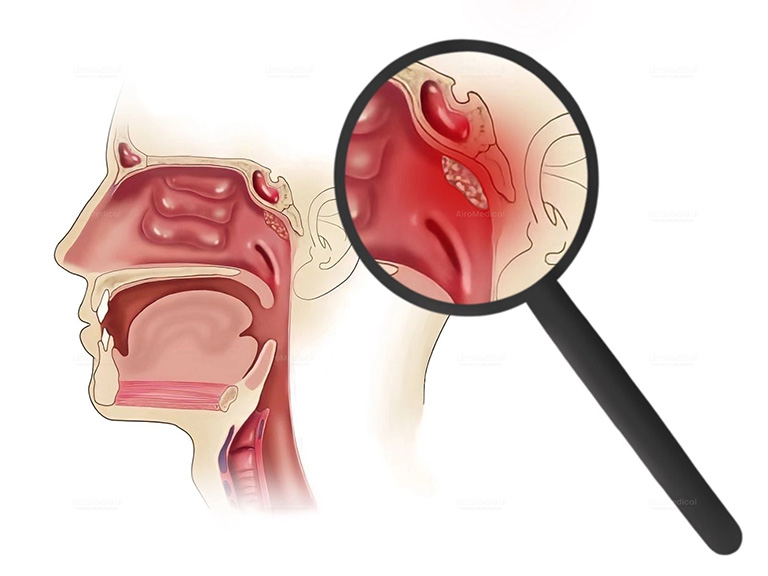
Who Is Most at Risk?
While thyroid cancer can affect anyone, risk is higher among:
-
Women, especially between ages 20 and 55
-
People with a family history of thyroid disease
-
Individuals exposed to radiation, particularly during childhood
-
Those with iodine imbalance
However, experts emphasize that absence of risk factors does not eliminate risk.
The Importance of Early Detection
The good news is that thyroid cancer is highly treatable when detected early. Survival rates exceed 95% in early-stage cases, and many patients go on to live completely normal lives after treatment.
Early diagnosis often leads to:
-
Less invasive treatment
-
Lower risk of spread
-
Faster recovery
Routine neck checks, medical exams, and attention to subtle body changes can save lives.
When to See a Doctor
Medical professionals advise seeking evaluation if you notice:
-
A neck lump lasting more than two weeks
-
Persistent voice changes
-
Difficulty swallowing or breathing
-
Unexplained neck pain
Early consultation does not mean panic—it means prevention.
Final Thoughts
Thyroid cancer does not always announce itself loudly. Instead, it whispers through small, everyday changes that are easy to overlook. Listening to your body, paying attention to subtle warning signs, and acting early can make all the difference.
Awareness is not fear—it is power.