A Warning Sign in Your Feet Could Mean Fatty Liver Damage Is No Longer Reversible
Fatty liver disease is often described as a silent condition, developing slowly and quietly over many years. In its early stages, it can usually be reversed through lifestyle changes. However, when warning signs begin to appear in unexpected parts of the body—such as the feet—it may signal that liver damage has progressed beyond the point of easy recovery.
Medical experts warn that changes in the feet are not random. They can reflect serious internal problems, including advanced fatty liver disease. By the time these signs become visible, the liver may already be under significant strain.
Understanding what your feet may be telling you could make the difference between early intervention and irreversible damage.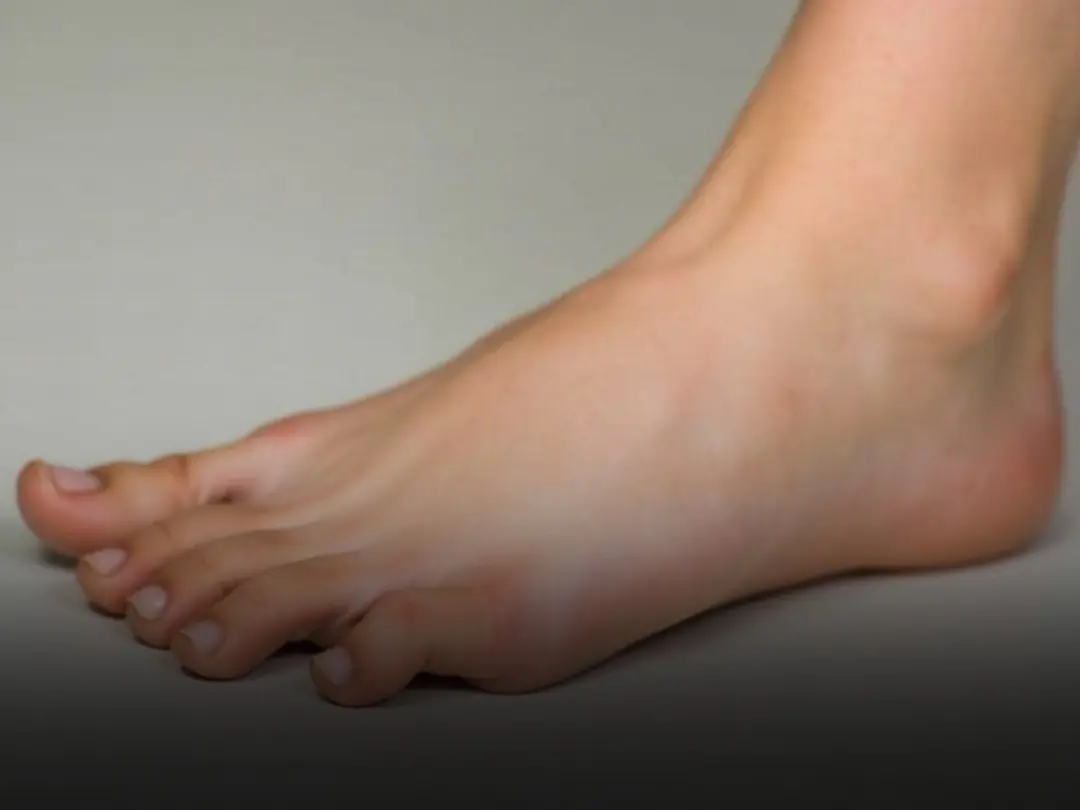
Understanding Fatty Liver Disease
Fatty liver disease occurs when excess fat builds up in liver cells. Over time, this fat accumulation can trigger inflammation, scarring, and permanent damage.
There are two main forms:
-
Non-alcoholic fatty liver disease (NAFLD)
-
Alcohol-related fatty liver disease
In the early stages, fatty liver disease often causes no symptoms at all. Many people are unaware they have it until routine blood tests or imaging reveal a problem. However, as the disease progresses, the liver’s ability to function declines—and the body begins to show warning signs.
Why the Feet Matter
The feet are far from the liver, but they are highly sensitive to changes in circulation, fluid balance, and nerve function. When the liver is damaged, it can no longer regulate these systems effectively.
As a result, the feet often become one of the first visible places where advanced liver damage shows itself.
The Key Warning Sign: Persistent Swelling in the Feet and Ankles
One of the most concerning signs linked to advanced fatty liver damage is persistent swelling in the feet and ankles, medically known as peripheral edema.
This swelling occurs because:
-
A damaged liver produces less albumin, a protein that helps keep fluid in the bloodstream
-
Fluid leaks into surrounding tissues, especially in the lower extremities
-
Gravity causes fluid to accumulate in the feet and ankles
Unlike swelling caused by standing too long, liver-related swelling:
-
Does not fully go away overnight
-
Often worsens as the day progresses
-
May be accompanied by tight, shiny skin
Doctors warn that when swelling becomes chronic, it may indicate significant liver dysfunction.
Other Foot-Related Warning Signs
Swelling is not the only change to watch for. Experts note several additional foot symptoms that may point to advanced fatty liver disease.
1. Persistent Cold Feet
Poor liver function can affect circulation. Reduced blood flow may cause the feet to feel unusually cold, even in warm environments.
2. Numbness or Tingling
As liver disease progresses, toxins that the liver normally filters can build up in the bloodstream. This can damage nerves, leading to: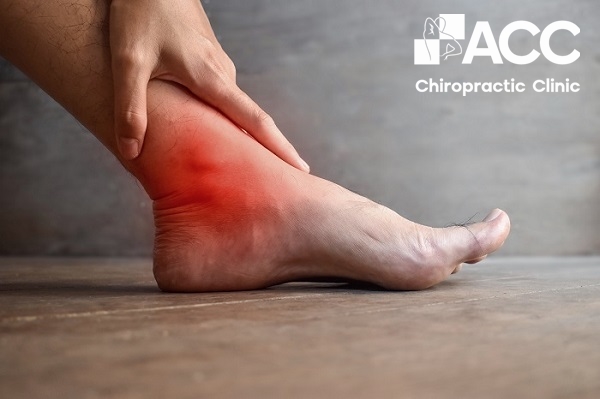
-
Tingling
-
Burning sensations
-
Reduced sensitivity in the feet
This condition is often mistaken for nerve compression or diabetes.
3. Changes in Skin Color
Some individuals notice:
-
Pale or bluish feet
-
Yellowish discoloration of the skin
-
Darkening around the ankles
These changes may reflect impaired blood flow or bilirubin buildup.
4. Slow-Healing Sores
Poor liver function can weaken the immune system and impair wound healing. Cuts or sores on the feet that take unusually long to heal should not be ignored.
When Fatty Liver Disease Becomes Dangerous
In its early stages, fatty liver disease is often reversible. However, if left untreated, it can progress through several stages:
-
Fat accumulation
-
Inflammation
-
Fibrosis (scarring)
-
Cirrhosis (permanent liver damage)
Once cirrhosis develops, the damage is largely irreversible. At this stage, symptoms become more visible and systemic—affecting not just the liver, but the entire body.
Swollen feet may indicate that the liver is struggling to perform its most basic functions.
Why These Signs Are Often Ignored
Many people dismiss foot swelling or discomfort as:
-
Aging
-
Poor footwear
-
Long hours of standing
-
Weight gain
Because these symptoms are painless at first, they rarely trigger immediate concern. Unfortunately, waiting for pain is a dangerous mistake when it comes to liver disease.
Experts stress that by the time foot-related symptoms appear, liver damage may already be advanced.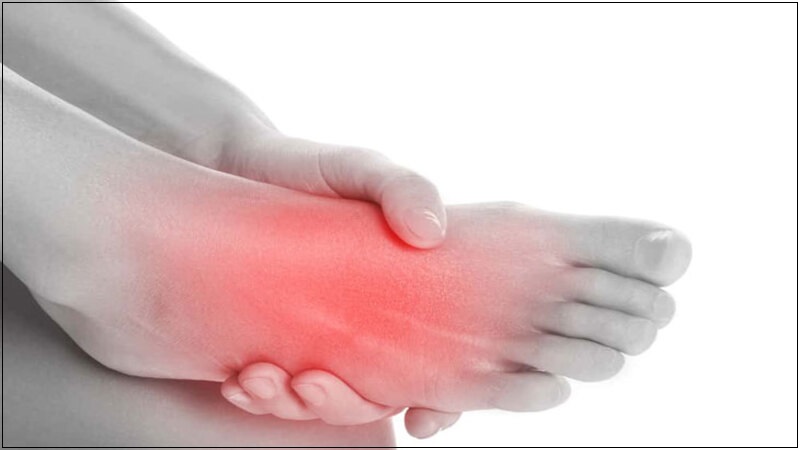
Who Is Most at Risk?
Fatty liver disease is increasingly common, particularly among individuals with:
-
Obesity
-
Type 2 diabetes
-
High cholesterol
-
Metabolic syndrome
-
Heavy alcohol use
-
Sedentary lifestyles
However, doctors emphasize that even people who appear healthy can develop fatty liver disease.
The Importance of Early Medical Evaluation
If you notice persistent swelling or other unexplained changes in your feet, medical evaluation is critical. Doctors may recommend:
-
Blood tests to assess liver function
-
Imaging tests such as ultrasound or MRI
-
Lifestyle assessment and metabolic screening
Early diagnosis can still slow or halt disease progression, even if some damage has occurred.
Can the Damage Still Be Reversed?
In advanced stages, complete reversal may no longer be possible. However, early intervention can still prevent further deterioration and improve quality of life.
Treatment strategies may include:
-
Weight loss
-
Dietary changes
-
Alcohol reduction or elimination
-
Managing blood sugar and cholesterol
-
Medications for complications
The earlier action is taken, the better the outcome.
When to See a Doctor
Medical professionals urge immediate evaluation if you experience:
-
Persistent swelling in the feet or ankles
-
Numbness or tingling without a clear cause
-
Skin color changes
-
Fatigue combined with swelling
These symptoms should never be treated as cosmetic or minor concerns.
Final Thoughts
Your feet can reveal far more about your health than you might expect. Persistent changes in the feet may be a warning that fatty liver damage has progressed to a dangerous stage.
Fatty liver disease does not always cause pain—but it does leave clues. Paying attention to these signs and seeking timely medical care could protect your liver and, ultimately, your life.
Your body sends warnings long before it reaches a breaking point.
Listening early can change everything.