Warning Signs of a Heart Blockage That Appear in Your Feet and Legs at Night — Why Many People Miss Them
Heart disease is often associated with chest pain, shortness of breath, or sudden cardiac events. However, medical experts warn that some of the earliest warning signs of heart blockage do not appear in the chest at all. Instead, they quietly show up in the feet and legs, particularly at night, when the body is at rest.
Because these symptoms feel minor, uncomfortable rather than painful, and often disappear by morning, many people ignore them for years. Unfortunately, by the time classic heart symptoms appear, artery blockages may already be advanced.
Understanding what your feet and legs may be telling you could help prevent a life-threatening event.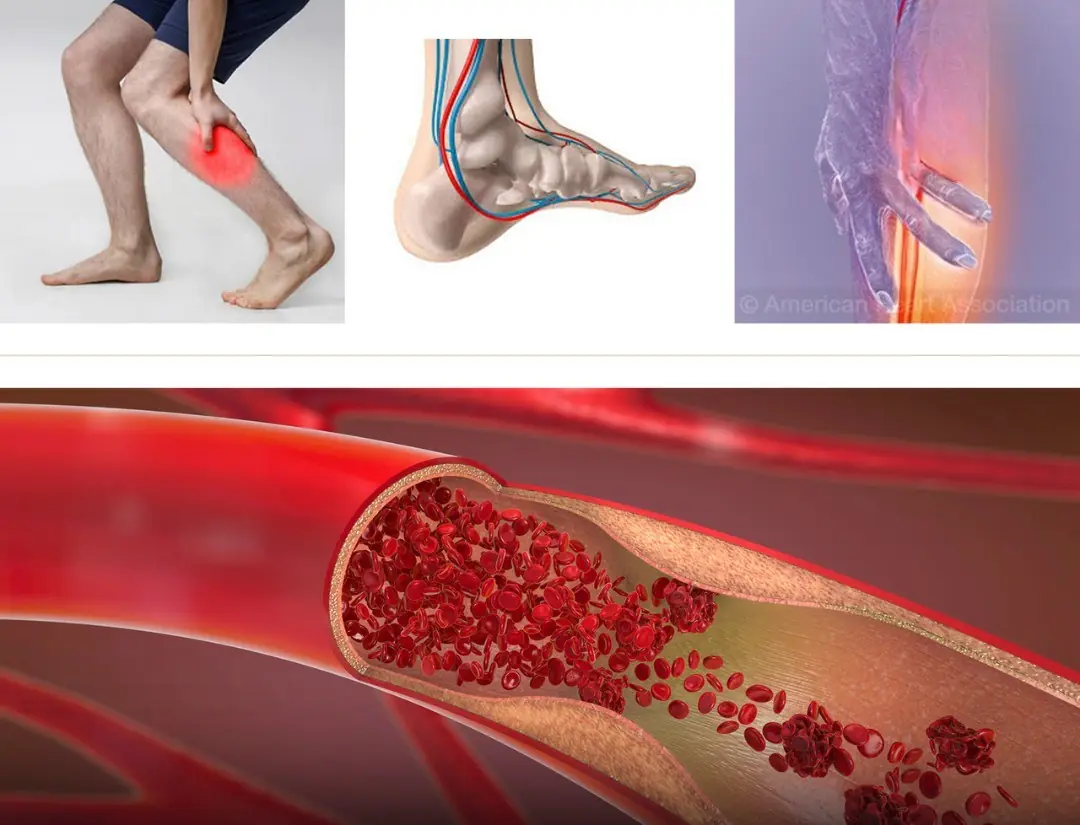
What Is a Heart Blockage?
A heart blockage occurs when arteries that supply blood to the heart become narrowed or obstructed by plaque made up of fat, cholesterol, calcium, and other substances. This condition, known as atherosclerosis, reduces blood flow and oxygen delivery throughout the body.
While the heart itself is the most vulnerable organ, poor circulation affects the entire vascular system, including the legs and feet—often long before the heart shows distress.
Why Symptoms Appear in the Legs and Feet First
The legs and feet are farthest from the heart. When arteries begin to narrow, these areas are often the first to experience reduced blood flow. At night, circulation naturally slows, making symptoms more noticeable.
Doctors explain that nighttime leg and foot symptoms are an early clue that blood vessels may be struggling to deliver oxygen efficiently.
1. Nighttime Leg Pain or Cramping
One of the most common but overlooked warning signs is leg pain or cramping that occurs at night, especially in the calves.
This pain may:
-
Wake you from sleep
-
Feel like a deep ache or tight cramp
-
Improve when you hang your legs off the bed or stand up
Many people assume this is due to muscle fatigue, dehydration, or aging. However, doctors warn that nighttime leg cramps can indicate peripheral artery disease, which is closely linked to heart blockages.
2. Cold Feet That Don’t Warm Up
Another subtle but important sign is persistent coldness in the feet, even in warm environments or under blankets.
This occurs because narrowed arteries cannot deliver enough warm blood to the extremities. Unlike cold feet caused by temperature, circulation-related coldness:
-
Persists throughout the night
-
Affects both feet
-
Is not relieved by socks or blankets
This symptom often appears years before heart-related pain develops.
3. Tingling, Numbness, or “Pins and Needles”
Reduced blood flow deprives nerves of oxygen, leading to tingling, numbness, or burning sensations in the feet and lower legs.
These sensations:
-
Often worsen at night
-
May feel deep rather than surface-level
-
Can be mistaken for nerve compression or poor posture
Doctors stress that when these symptoms persist or worsen over time, circulatory issues should be ruled out.
4. Restless Legs That Improve With Movement
Some people experience an uncomfortable urge to move their legs at night, accompanied by aching or crawling sensations. While this may resemble restless leg syndrome, experts note that circulatory insufficiency can produce similar symptoms.
A key clue is that symptoms:
-
Improve when walking or standing
-
Return when lying down
-
Are worse after long periods of inactivity
This pattern suggests blood flow problems rather than a purely neurological condition.
5. Foot Pain That Wakes You at Night
Pain in the feet that only occurs at night or while resting is a red flag doctors take seriously. This type of pain may:
-
Feel sharp, burning, or throbbing
-
Ease when the feet are lowered below heart level
-
Be absent during the day
This phenomenon happens because gravity temporarily improves blood flow when standing, masking symptoms during daytime hours.
Why These Symptoms Are Often Ignored
Most people dismiss nighttime leg and foot discomfort because:
-
It comes and goes
-
It is not severe
-
It improves with movement
Additionally, leg symptoms are rarely associated with heart disease in public awareness. As a result, many patients are diagnosed only after a heart attack or stroke.
The Link Between Leg Symptoms and Heart Risk
Doctors emphasize that blocked arteries do not occur in isolation. If blood flow is impaired in the legs, similar plaque buildup may exist in:
-
Coronary arteries
-
Brain arteries
-
Kidney arteries
This makes nighttime leg symptoms an important early warning system.
Who Is Most at Risk?
While anyone can develop arterial blockages, risk is higher among individuals who:
-
Smoke or have a history of smoking
-
Have diabetes or high blood pressure
-
Have high cholesterol
-
Are physically inactive
-
Have a family history of heart disease
However, experts stress that absence of risk factors does not guarantee safety.
When to Seek Medical Attention
Doctors recommend evaluation if you experience:
-
Nighttime leg pain or cramps that persist for weeks
-
Cold or numb feet without clear cause
-
Foot pain relieved by standing
-
Progressive worsening of symptoms
Simple tests such as blood pressure measurements in the legs, ultrasound, or blood work can reveal circulation problems early.
Why Early Detection Matters
When caught early, artery narrowing can often be managed with:
-
Lifestyle changes
-
Medication
-
Improved blood sugar and cholesterol control
-
Smoking cessation
Early intervention can prevent heart attacks, strokes, and permanent limb damage.
What You Can Do Now
If you notice unusual leg or foot symptoms at night:
-
Do not ignore recurring discomfort
-
Track when symptoms occur and what relieves them
-
Discuss circulation concerns with a healthcare provider
Listening to subtle signals can protect your heart long before emergency symptoms appear.
Final Thoughts
Heart disease does not always announce itself with chest pain. Sometimes, it whispers through the feet and legs—especially at night, when the body slows down and blood flow struggles.
Persistent nighttime leg and foot symptoms deserve attention, not dismissal. They may be your body’s early warning that your heart and arteries need care.
Your feet may be far from your heart,
but they often speak first.