3 Ways to Prevent Snakes From Entering Your Home — Everyone Should Know to Protect Their Family
Finding a snake near your home is a frightening experience for anyone. Whether venomous or not, snakes inside or around living spaces pose a serious risk—especially to children, elderly family members, and pets. In many regions, snake encounters are becoming more common as urban areas expand into natural habitats and seasonal weather patterns change.
Experts emphasize that snakes rarely enter homes randomly. They are usually drawn in by food, shelter, or easy access points. The good news is that most snake intrusions can be prevented with simple, proactive measures.
Below are three effective, science-backed ways to prevent snakes from entering your home—methods that every household should understand to keep their family safe.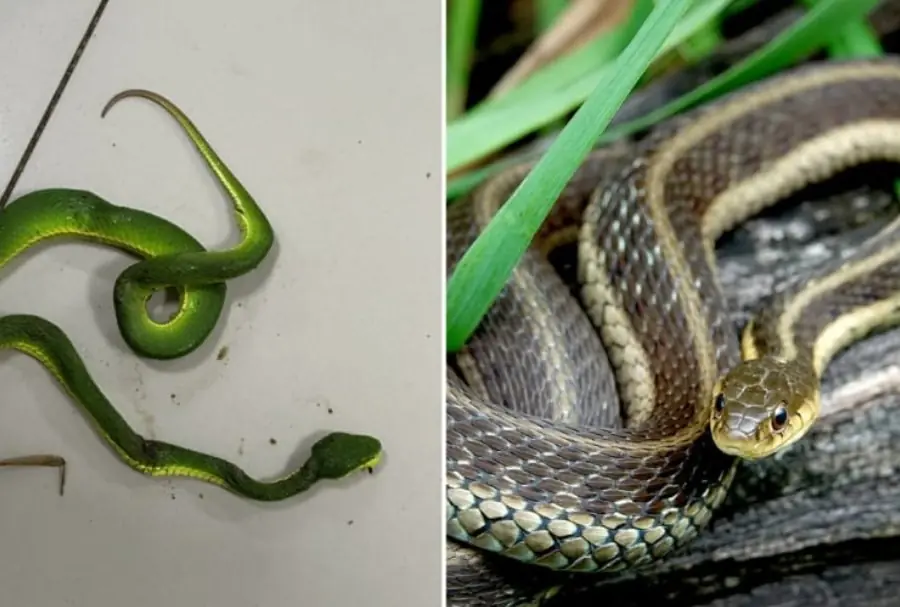
Why Snakes Enter Homes in the First Place
Before prevention, it’s important to understand snake behavior. Snakes are not aggressive by nature. They seek:
-
Shelter from heat, cold, or rain
-
Food sources such as rodents, frogs, or insects
-
Dark, quiet hiding places
Homes that unintentionally provide these conditions become attractive to snakes—especially during rainy seasons, extreme heat, or floods.
Prevention works best when it focuses on removing what snakes are looking for.
1. Seal All Entry Points — Even the Smallest Gaps
One of the most effective ways to keep snakes out is to eliminate access points. Snakes can squeeze through surprisingly small spaces—some need openings no wider than a coin.
Common Entry Points Snakes Use
-
Gaps under doors
-
Cracks in walls or foundations
-
Unsealed drainage pipes
-
Vents without mesh covers
-
Spaces around windows
What You Should Do
-
Install door sweeps on all exterior doors
-
Seal cracks with cement or weather-resistant sealant
-
Cover vents and drains with fine metal mesh
-
Repair broken tiles or damaged flooring
Experts stress that even unused doors or storage rooms must be sealed, as snakes often enter quiet, rarely accessed areas.
2. Remove Food Sources and Snake-Friendly Habitats
Snakes follow food. If your home or yard attracts rodents, insects, or frogs, snakes are likely to follow.
Reduce Snake Prey Around Your Home
-
Store food securely to avoid attracting rodents
-
Dispose of garbage properly and frequently
-
Eliminate standing water that attracts frogs and insects
-
Keep pet food sealed and indoors
Clean Up Snake Hiding Spots
Snakes love dark, cluttered environments. Common hiding places include:
-
Piles of wood, bricks, or debris
-
Tall grass and overgrown bushes
-
Stacked construction materials
-
Cluttered storage areas
Best Practices
-
Keep grass trimmed short
-
Clear clutter from yards and balconies
-
Elevate firewood off the ground
-
Avoid storing unused items near walls
A clean, open environment makes snakes feel exposed and unsafe—encouraging them to stay away.
3. Use Natural Deterrents and Maintain a Snake-Unfriendly Environment
While no method guarantees 100% protection, certain deterrents can significantly reduce the likelihood of snake encounters when combined with proper home maintenance.
Natural Smells Snakes Avoid
Some strong scents are believed to discourage snakes, including:
-
Garlic
-
Vinegar
-
Clove and cinnamon oils
-
Sulfur-based repellents
These substances can be placed near entry points, gardens, or outdoor boundaries. However, experts caution that repellents should complement—not replace—structural prevention.
Environmental Strategies
-
Keep outdoor lighting on at night (snakes prefer darkness)
-
Reduce moisture around the home
-
Avoid leaving doors or windows open at night without screens
A dry, well-lit environment is far less appealing to snakes.
What to Do If You Find a Snake Inside Your Home
If a snake does enter your home:
-
Do not attempt to kill or handle it
-
Keep distance and remain calm
-
Keep children and pets away
-
Close off the area if possible
-
Contact animal control or wildlife professionals immediately
Attempting to handle a snake greatly increases the risk of bites and injury.
Common Myths About Snake Prevention
Myth 1: Snakes Only Enter Dirty Homes
False. Snakes enter clean homes if food or access points are present.
Myth 2: Snakes Always Attack Humans
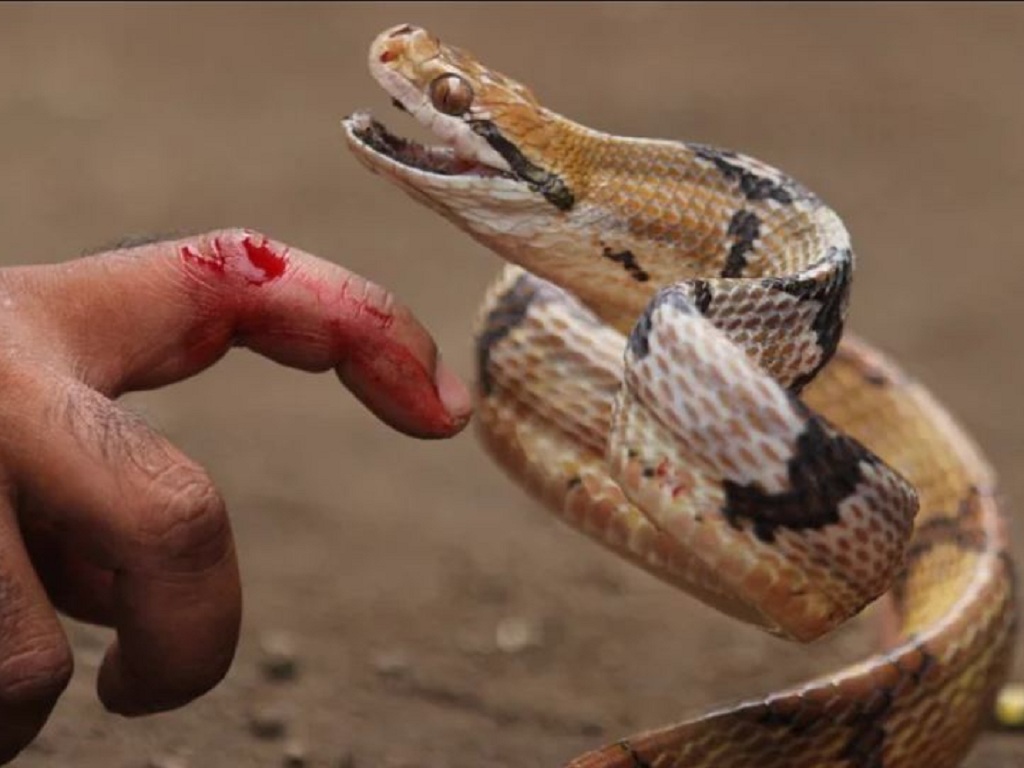
False. Snakes usually bite only when threatened or cornered.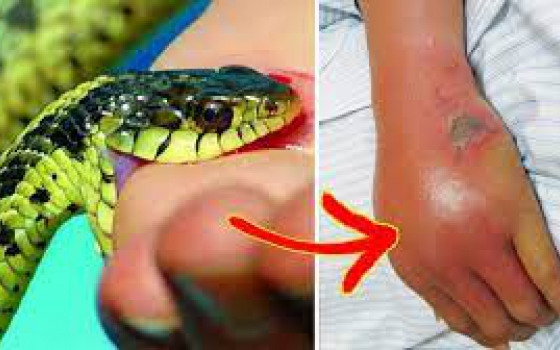
Myth 3: Repellents Alone Are Enough
False. Repellents without sealing entry points are rarely effective long-term.
Understanding facts—not fear—leads to better prevention.
Who Is Most at Risk?
Snake encounters are more common in:
-
Ground-floor homes
-
Houses near fields, forests, or water
-
Homes with gardens or yards
-
Areas experiencing floods or heavy rain
However, any home can be at risk if preventive measures are ignored.
Why Prevention Is Better Than Reaction
Snake bites can cause:
-
Severe injury
-
Long-term health complications
-
Psychological trauma
-
In rare cases, death
Children and pets are especially vulnerable. Preventing entry is far safer and more effective than responding after a snake appears.
Simple Weekly Checklist for Snake Prevention
-
Check doors and windows for gaps
-
Clear yard debris
-
Ensure drains and vents are covered
-
Remove standing water
-
Keep storage areas organized
Consistency is key. Small habits create long-term safety.
Final Thoughts
Snakes are a part of nature—but they do not belong inside your home. Most snake intrusions happen because homes unintentionally provide shelter, food, or easy access.
By sealing entry points, eliminating attractants, and maintaining a clean, well-lit environment, families can dramatically reduce the risk of snake encounters.
Prevention is not about fear.
It is about awareness, preparation, and protection.
Your home should be a place of safety.
Take the steps today—before a snake finds its way inside.