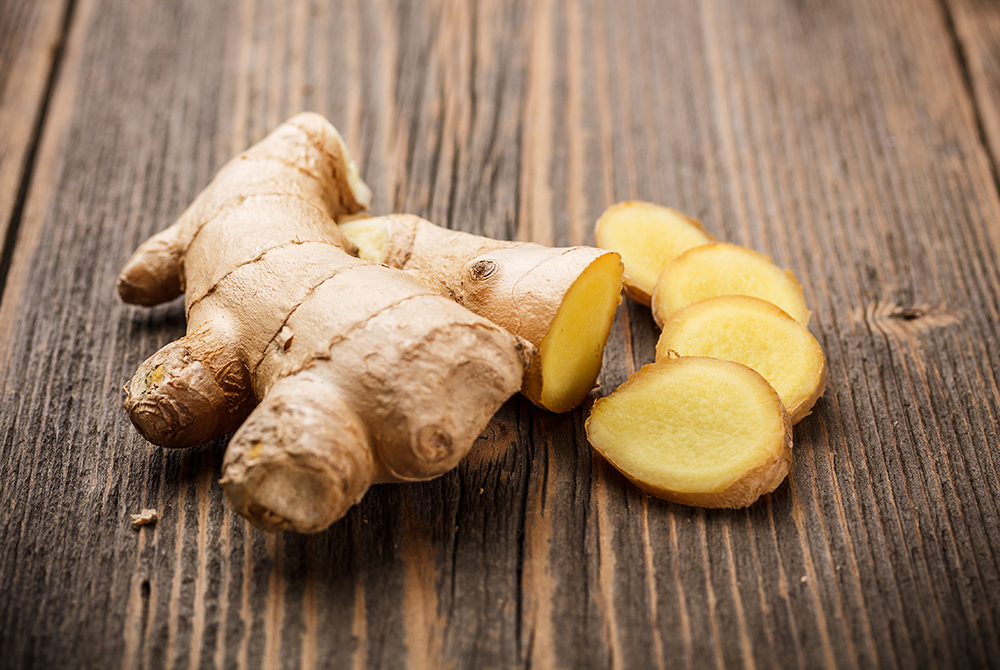
Never Use Ginger If You Have Any of These Four Conditions—What Most People Aren’t Told
Ginger is often celebrated as a “miracle root.” From easing nausea to fighting inflammation, it has earned a powerful reputation in traditional medicine and modern wellness culture alike. Many people consume it daily in teas, supplements, or raw form, believing that natural automatically means safe. But here’s the uncomfortable truth: ginger is not harmless for everyone. In fact, for people with certain medical conditions, ginger can quietly make things worse.
Health experts warn that despite its benefits, ginger can interact with the body in ways that are dangerous under specific circumstances. If you have any of the following four conditions, using ginger—especially in large or concentrated amounts—could pose real risks.
1. Bleeding Disorders or Blood-Thinning Medication Use
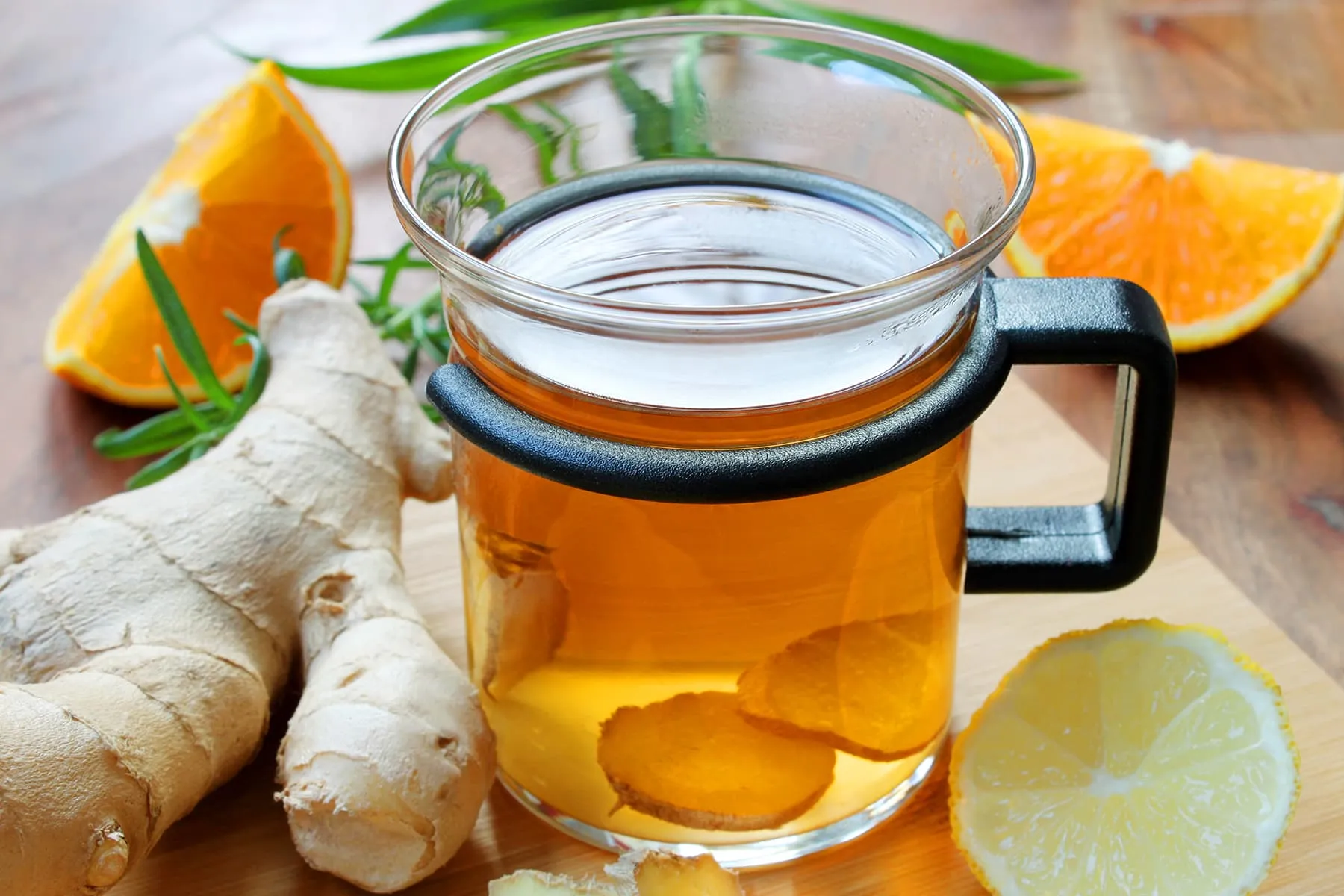
Ginger has natural blood-thinning properties. It can reduce platelet aggregation, which means it slows down the blood’s ability to clot. While this may sound beneficial for heart health, it can be dangerous for people with bleeding disorders such as hemophilia or those taking anticoagulant or antiplatelet medications.
Combining ginger with drugs like warfarin, aspirin, or newer blood thinners may significantly increase the risk of internal bleeding, bruising, or prolonged bleeding after injuries or surgery. Medical professionals often advise patients to stop consuming ginger weeks before surgical procedures for this reason. What’s marketed as a “heart-healthy” habit could quietly become a serious safety issue.
2. Gallstones or Gallbladder Disease
Ginger stimulates bile production, which helps digestion in healthy individuals. However, for people with gallstones or gallbladder disorders, this effect can trigger painful complications. Increased bile flow may cause gallstones to move or block bile ducts, leading to severe abdominal pain, inflammation, or emergency medical situations.
Many people experiencing digestive discomfort turn to ginger without realizing that the discomfort itself could be related to gallbladder issues. In such cases, ginger doesn’t heal—it aggravates. Doctors often recommend avoiding ginger entirely if gallstones have been diagnosed or are suspected.
3. Low Blood Pressure or Heart Rhythm Disorders
Ginger has been shown to lower blood pressure and improve circulation. Again, this is often framed as a benefit—but not for everyone. For individuals who already have low blood pressure or are taking medication to control hypertension, ginger may push blood pressure too low.
This can lead to dizziness, fainting, weakness, blurred vision, or even dangerous falls. In people with certain heart rhythm disorders, changes in blood pressure and circulation can worsen symptoms or interfere with medications. What feels like a natural wellness boost may actually destabilize the cardiovascular system.
4. Pregnancy Complications or High-Risk Pregnancies
Ginger is commonly recommended for morning sickness, and in small amounts, it may be safe for many pregnant women. However, in higher doses—or in women with high-risk pregnancies—ginger may increase the risk of complications.
Some studies suggest ginger can influence uterine activity and affect blood clotting, raising concerns about miscarriage or bleeding when consumed excessively. Pregnant women with a history of miscarriage, bleeding, or pregnancy-related conditions should never self-prescribe ginger supplements without medical guidance. “Natural” does not equal “risk-free” during pregnancy.
The Hidden Danger of Overuse
One of the most overlooked risks of ginger is dosage. Concentrated ginger shots, capsules, extracts, and oils can deliver far more active compounds than traditional culinary use. Many people unknowingly consume medicinal-level doses daily, without supervision, assuming more is better.
This trend has led to increased reports of side effects such as heartburn, stomach irritation, diarrhea, and interactions with prescription drugs. The danger isn’t ginger itself—it’s blind trust and overuse.
A Smarter Way to Think About “Natural” Remedies
Ginger is a powerful plant with real physiological effects. That power deserves respect. Just as prescription medications are matched to individual health conditions, herbal remedies should be used with the same caution and awareness.
If you have a chronic condition, take long-term medication, or are pregnant, ginger should never be treated as a harmless habit. Consulting a healthcare professional is not overreacting—it’s protecting your health.
The shocking truth is this: ginger can help many people, but for others, it can quietly cause harm. Knowing when not to use it may be more important than knowing when to use it.