Why Can a Woman’s Private Area Smell Bad? Four Reasons Every Woman Should Know
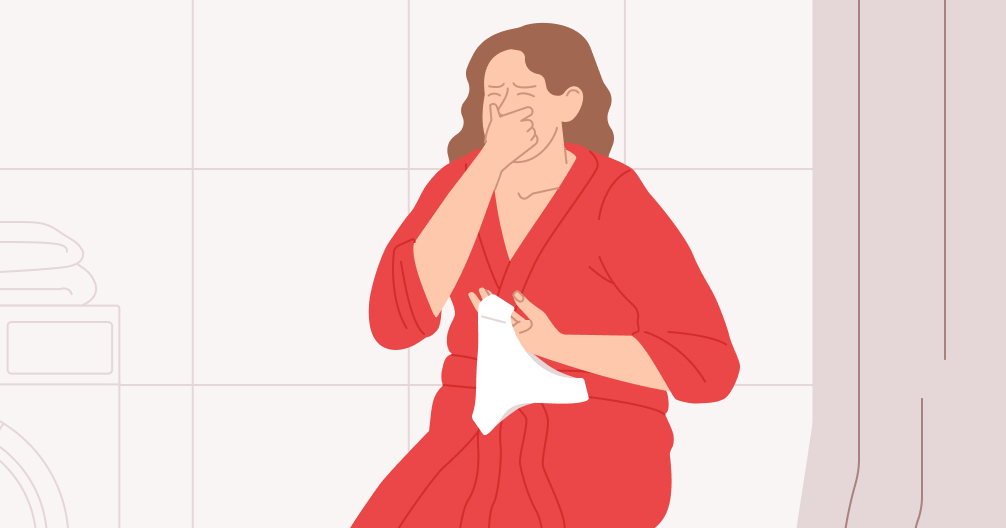
Unpleasant odor in the intimate area is a topic many women feel uncomfortable discussing, yet it is far more common than most realize. While a healthy vagina naturally has a mild scent, strong or unusual odors can signal that something is off. Understanding the causes is essential—not only to protect physical health, but also to avoid shame, misinformation, and unnecessary anxiety. Here are four key reasons every woman should know.
1. Disrupted Vaginal Balance
The vagina is a self-cleaning organ with its own ecosystem of beneficial bacteria, primarily lactobacilli. These bacteria help maintain a slightly acidic environment that prevents harmful microbes from growing. When this balance is disturbed—often by stress, hormonal changes, antibiotics, or frequent douching—odor can develop.
One common result is bacterial vaginosis (BV), which often causes a noticeable fish-like smell. BV is not a sexually transmitted infection, but it can be triggered by changes in sexual activity or hygiene habits. Left untreated, it may increase the risk of further infections, making early attention important.
2. Infections and Health Conditions
Certain infections can cause strong, unpleasant odors. Yeast infections, while more commonly associated with itching and discharge, can sometimes produce a sour or bread-like smell. Sexually transmitted infections such as trichomoniasis may also cause a strong odor along with irritation or unusual discharge.:max_bytes(150000):strip_icc()/vagina-smell-gettyimages-624927818-2000-92f48f3368f14112a910322c0d2fc739.jpg)
In rare cases, persistent odor may be linked to underlying medical conditions, including retained foreign objects (such as forgotten tampons) or, less commonly, gynecological disorders. Any odor that is sudden, severe, or accompanied by pain, itching, or abnormal discharge should be evaluated by a healthcare professional.
3. Hygiene Mistakes—Too Much or Too Little
Contrary to popular belief, excessive washing can be just as harmful as poor hygiene. Using scented soaps, intimate sprays, or antiseptic washes can strip away protective bacteria and irritate sensitive tissue, making odor worse rather than better.
On the other hand, infrequent changing of underwear, wearing tight or non-breathable fabrics, or remaining in damp clothing for long periods can trap moisture and heat—an ideal environment for odor-causing bacteria. The safest approach is gentle, external cleansing with mild, unscented products and breathable clothing.
4. Diet, Lifestyle, and Hormonal Shifts
What a woman eats and how she lives can influence body odor, including intimate scent. Diets high in sugar, highly processed foods, or strong-smelling ingredients may contribute indirectly by affecting overall bacterial balance. Dehydration can also concentrate bodily odors.
Hormonal changes during menstruation, pregnancy, menopause, or even times of high stress can temporarily alter vaginal scent. These shifts are usually harmless, but understanding them can prevent unnecessary worry and self-blame.
When to Take Action
A change in scent does not automatically mean something is wrong. However, persistent or strong odors—especially those that differ significantly from what is normal for you—should not be ignored. Medical advice can provide clarity, reassurance, and appropriate treatment if needed.
The Bottom Line
Intimate odor is not a reflection of cleanliness, morality, or personal worth. It is often a biological signal that deserves attention, not embarrassment. By understanding the causes and knowing when to seek help, women can protect their health and feel more confident in their bodies. Knowledge, not silence, is the most powerful form of care.