If you’ve ever spotted small, clover-like leaves with delicate yellow flowers spreading across your garden beds, you’ve probably encountered
wood sorrel. Many gardeners quickly label it as a weed and rush to remove it. But before you pull it out or reach for herbicides, you may want
to pause.
Wood sorrel is far more than a nuisance plant. In fact, it offers a surprising number of benefits for your garden, soil, wildlife, and even your
health. What many people try to destroy is actually a quiet ally working beneath the surface.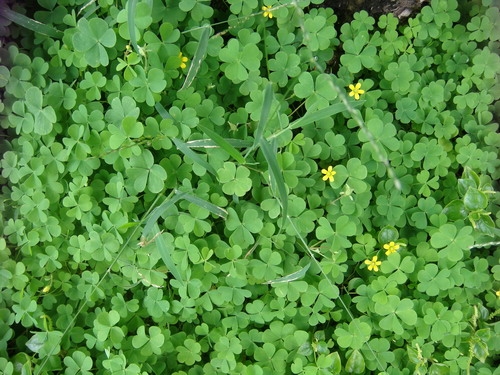
Here are eight compelling reasons why you should think twice before ki.lling wood sorrel in your garden.
1. Wood Sorrel Improves Soil Health Naturally
Wood sorrel plays an important role in maintaining healthy soil. Its shallow root system helps prevent soil compaction while allowing water
and nutrients to move more freely through the ground.
As the plant grows and eventually decomposes, it adds organic matter back into the soil. This improves soil structure, increases microbial
activity, and enhances overall fertility without any added chemicals.
In many cases, wood sorrel appears where soil is stressed or compacted, acting as a natural signal that the soil needs care rather than
eradication.
2. It Helps Protect the Soil From Erosion
Bare soil is vulnerable soil. When garden beds are left uncovered, rain and wind can easily wash or blow valuable topsoil away.
Wood sorrel acts as a living ground cover. Its dense growth shields the soil surface, reducing erosion and helping retain moisture. This is
especially valuable in gardens with sloped areas or regions that experience heavy rainfall.
Instead of harming your garden, wood sorrel may actually be protecting it.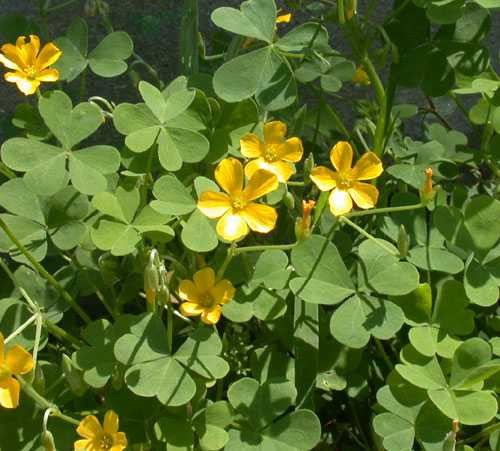
3. Wood Sorrel Supports Pollinators
The small, cheerful yellow flowers of wood sorrel are an important early food source for pollinators such as bees and butterflies. These insects
rely on a steady supply of nectar throughout the growing season, and even modest flowering plants can make a difference.
By allowing wood sorrel to grow, you’re providing support for pollinator populations that are increasingly under threat. A healthier pollinator
presence benefits your entire garden, improving flowering and fruit production in nearby plants.
4. It Acts as a Living Indicator of Soil Conditions
Experienced gardeners often say that “weeds” are messengers. Wood sorrel is no exception.
Its presence can indicate:
-
Compacted soil
-
Low calcium levels
-
Excess moisture
-
Soil that needs aeration
Instead of fighting wood sorrel, you can learn from it. Improving soil drainage, adding organic matter, or loosening compacted areas often
reduces its spread naturally without aggressive removal.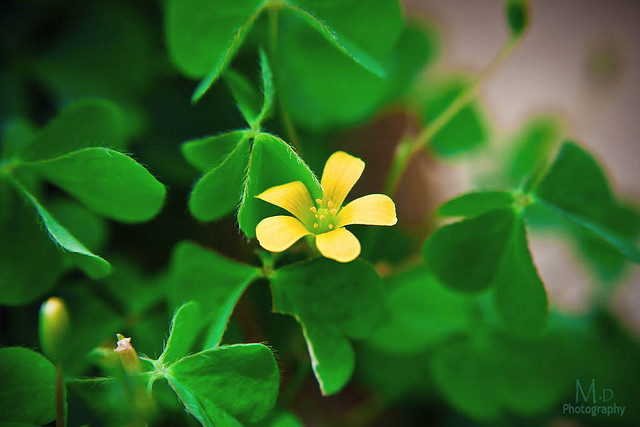
5. Wood Sorrel Is Edible and Nutritious (In Moderation)
One of the most surprising facts about wood sorrel is that it’s edible. Its leaves have a pleasant, lemony tang due to oxalic acid, which gives it
a refreshing flavor.
Traditionally, wood sorrel has been used in:
-
Salads
-
Soups
-
Herbal teas
-
Garnishes
It contains vitamin C and antioxidants. However, like spinach or sorrel, it should be consumed in moderation, especially by people prone to
kidney stones.
For many gardeners, knowing that a “weed” is actually a wild edible changes how they see it entirely.
6. It Competes With More Aggressive Weeds
Not all weeds are equally destructive. Wood sorrel tends to be relatively low-growing and non-aggressive compared to invasive plants that
can overtake gardens and choke out crops.
By occupying space, wood sorrel can actually prevent more harmful weeds from establishing themselves. In this way, it acts as a natural buffer,
reducing the need for constant weeding and chemical intervention.
7. It Encourages Biodiversity in Your Garden
A healthy garden isn’t about perfection - it’s about balance.
Wood sorrel contributes to biodiversity by:
-
Supporting insects
-
Feeding soil microorganisms
-
Creating microhabitats
Gardens with a variety of plant life are generally more resilient to pests, disease, and environmental stress. Removing every “unwanted” plant
can disrupt this balance and weaken the ecosystem you’re trying to cultivate.
8. Ki.lling It Often Makes the Problem Worse
Ironically, aggressive attempts to eliminate wood sorrel often backfire.
Wood sorrel spreads by tiny seed pods that burst when disturbed, scattering seeds in multiple directions. Pulling or cutting it carelessly can
actually increase its spread.
Chemical herbicides may kill the visible plant but damage soil health, beneficial insects, and nearby plants—creating conditions where wood
sorrel or other weeds return even stronger.
In many cases, learning to manage and coexist with wood sorrel is more effective than trying to destroy it.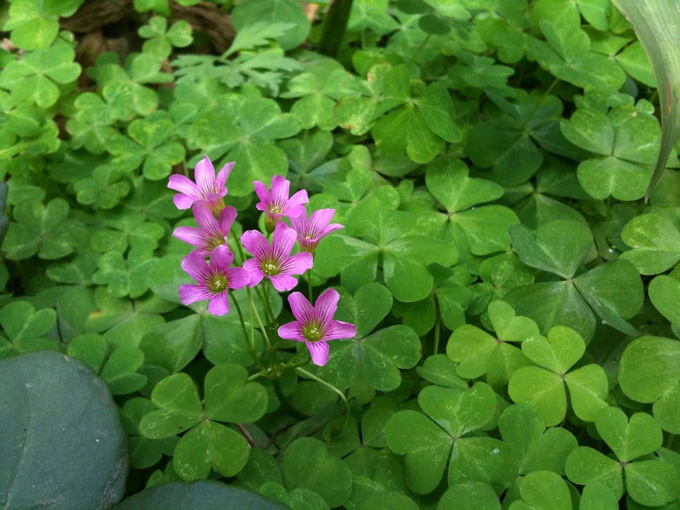
When Should You Control Wood Sorrel?
This doesn’t mean you must let wood sorrel grow everywhere unchecked. If it begins to crowd out young seedlings or compete directly with
crops, gentle control methods are best.
These include:
-
Improving soil conditions
-
Mulching garden beds
-
Hand-removing small patches before seed formation
-
Encouraging dense growth of desired plants
Control, not eradication, is the key.
Final Thoughts
Wood sorrel is a perfect example of how plants we label as “weeds” often have hidden value. It protects soil, supports pollinators, improves
biodiversity, and even offers edible and medicinal benefits.
Rather than seeing wood sorrel as an enemy, consider it a quiet partner - one that appears where the land needs healing and balance.
Sometimes, the healthiest gardens aren’t the ones with the fewest wild plants, but the ones where nature is allowed to participate.
Before you kill wood sorrel, ask yourself: What is it trying to tell me about my garden?