If you’ve ever peeled a hard-boiled egg and noticed a grayish-green ring around the yolk, you’re not alone. This strange discoloration often
surprises people and can raise questions about freshness, safety, or cooking mistakes. The good news is that this green ring is completely
explainable by science and it’s usually harmless.
Let’s break down exactly why it happens, what it means, and how to prevent it.
The Science Behind the Green Ring
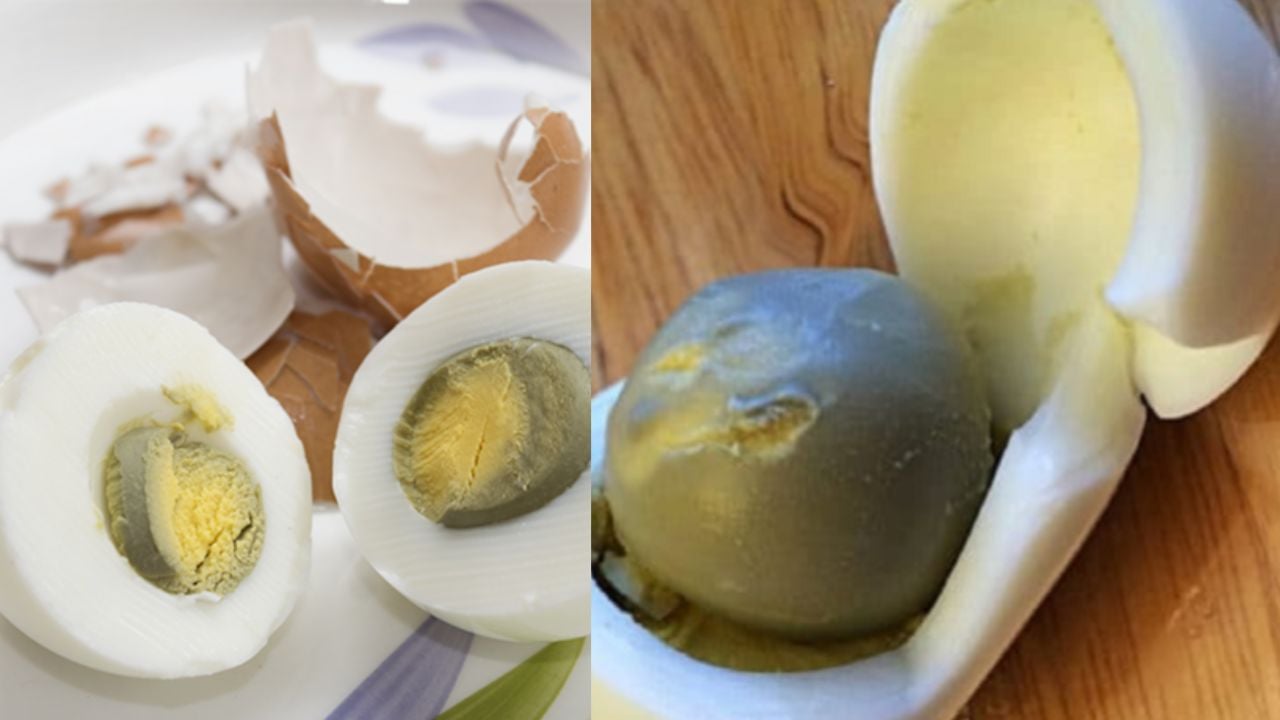
The green or gray ring around a hard-boiled egg yolk is the result of a chemical reaction between sulfur and iron.
Here’s what happens step by step:
-
Egg whites are rich in sulfur-containing proteins
-
Egg yolks contain iron
-
When an egg is cooked at high temperatures or for too long, sulfur in the white is released as hydrogen sulfide gas
-
This gas travels toward the yolk and reacts with the iron
-
The reaction forms iron sulfide, which appears as a green or gray ring around the yolk
So the color change is not mold, rot, or contamination it’s basic food chemistry.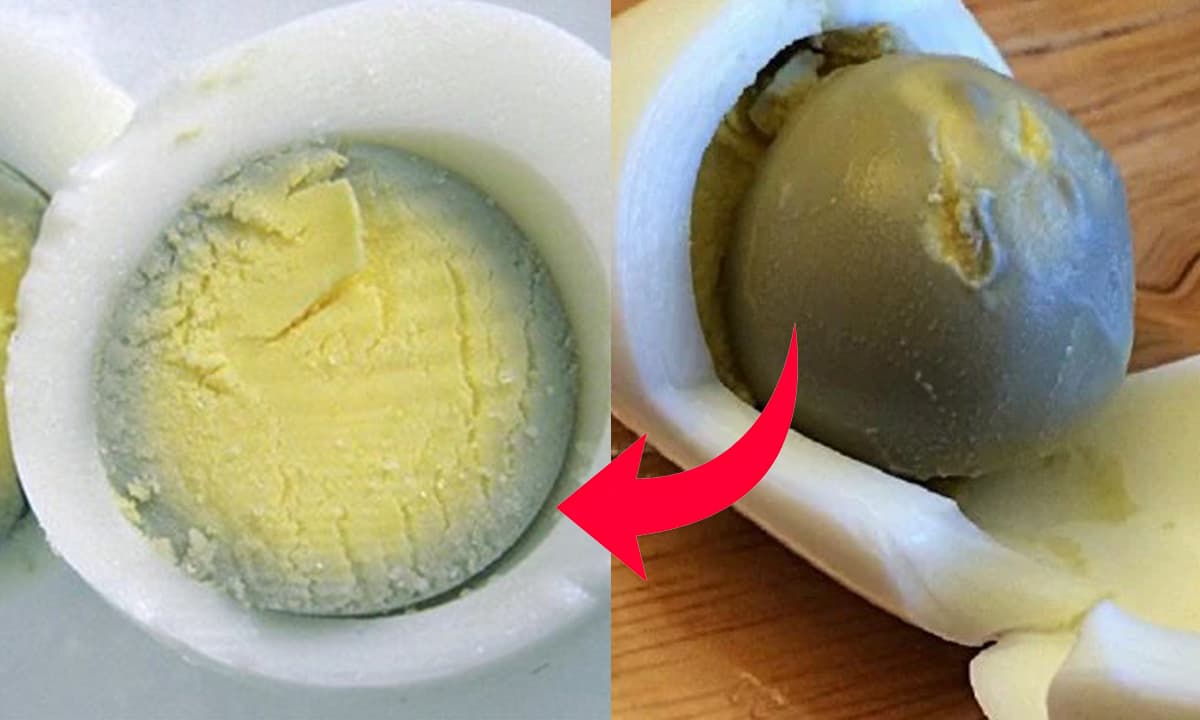
Is an Egg with a Green Ring Safe to Eat?
Yes.
An egg with a green ring is safe to eat as long as it was handled and stored properly.
The ring:
-
Does not indicate spoilage
-
Does not mean the egg is old
-
Does not reduce nutritional value
However, it can affect texture and flavor slightly, often making the yolk drier or more crumbly.
Why Overcooking Is the Main Cause
The green ring almost always appears when eggs are:
-
Boiled too long
-
Cooked at too high a temperature
-
Left in hot water after cooking
The longer the egg stays hot, the more sulfur is released and the stronger the reaction becomes.
That’s why this ring is more common when:
-
Eggs are boiled aggressively instead of gently
-
Eggs are not cooled quickly after cooking
Does Egg Freshness Matter?
Surprisingly, freshness is not the main factor.
Even very fresh eggs can develop a green ring if they are overcooked. That said, older eggs have:
-
Higher pH in the whites
-
Whites that release sulfur more easily
This can slightly increase the chance of discoloration - but cooking time is still the biggest culprit.
How to Prevent the Green Ring
Preventing the green ring is simple once you know the right technique.
Step 1: Start with Cold Water
Place eggs in a single layer and cover them with cold water by about an inch.
Step 2: Bring to a Gentle Boil
Heat until the water reaches a rolling boil, then remove from heat immediately.
Step 3: Cover and Let Sit
Let the eggs sit in the hot water:
-
9–10 minutes for large eggs
-
10–12 minutes for extra-large eggs
No continuous boiling needed.
Step 4: Cool Quickly
Transfer eggs to an ice bath or cold running water for at least 5 minutes.
This stops the chemical reaction instantly.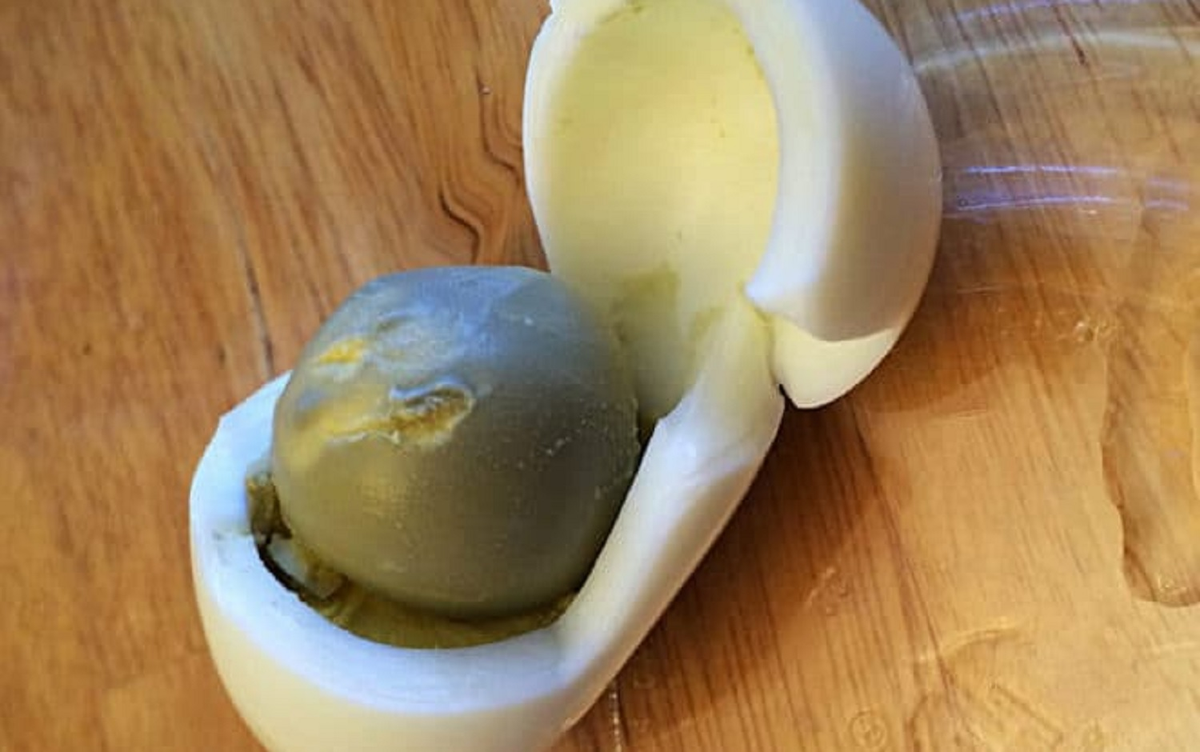
Does the Green Ring Change Taste or Nutrition?
Nutritionally, the egg remains almost identical. Taste-wise, you might notice:
-
Slight sulfur smell
-
Drier yolk
-
Chalky texture
These are signs of overcooking, not spoilage.
Why You See It More in Large Batches
When cooking many eggs at once (for holidays, meal prep, or salads), it’s easier to:
-
Lose track of timing
-
Leave eggs in hot water too long
That’s why green rings are common in:
-
Deviled eggs gone wrong
-
Overcooked egg salad
-
Buffet-style boiled eggs
Common Myths About the Green Ring
Myth: The egg is rotten
False. Rotten eggs smell strongly and are unsafe regardless of color.
Myth: It’s caused by chemicals in the egg
False. It’s a natural reaction between sulfur and iron already present.
Myth: You must throw it away
False. It’s safe to eat.
Final Thoughts
The green ring around hard-boiled eggs may look alarming, but it’s simply a sign of overcooking, not danger.
It’s a reminder that eggs are sensitive to heat and a little timing makes a big difference.
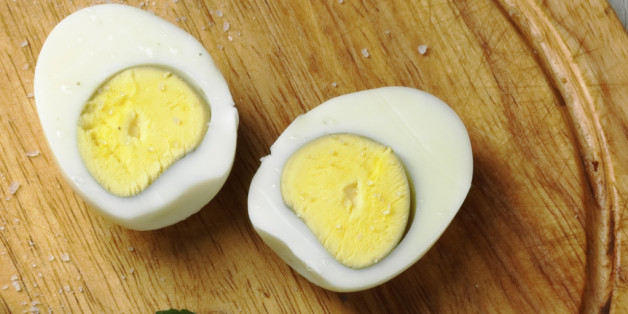
With gentle cooking and quick cooling, you can enjoy perfectly yellow yolks every time - no green ring, no mystery, just good eggs.
Sometimes, the kitchen’s strangest surprises are just science doing its thing.