
Have you ever wondered if your heart is really doing okay? It’s a big question, especially since heart disease is a major cause of death worldwide. About 695,000 Americans die each year from heart-related issues, according to the CDC. This article will help you spot some important signs and symptoms that might mean your heart needs a little extra attention. We’ll also talk about how to keep your heart healthy for the long haul.
Seven Signs Your Body Might Show
These are things you can actually see on your body that might point to a heart problem, according to cardiologist, Dr. Andre Wambier. It’s like your body is trying to tell you something.
Key Takeaways
- Frank’s Sign: A diagonal crease on your earlobe could be a subtle hint.
- Leg Hair Loss: Losing hair on your legs might mean blood flow issues.
- Xanthelasma: Yellow patches around your eyes can signal high cholesterol.
- Arcus Senilis: A white or gray ring around your cornea, especially if you’re young.
- Cyanosis: Bluish skin color can indicate a lack of oxygenated blood.
- Ulcers: Sores on your legs or feet that don’t heal well.
- Swelling: Puffy legs, ankles, or feet, particularly at the end of the day.
Frank’s Sign: The Ear Crease
Starting today, you might find yourself looking at people’s ears a bit differently. Why? Because there’s a small sign on the ear that could suggest blockages in the heart’s arteries (coronary arteries) or in the carotid arteries. Sounds wild, right? But it’s true.
Back in the 1970s, Dr. Sanders Frank noticed that many of his patients with angina (chest pain) had a diagonal crease on their earlobe. He called this “Frank’s Sign.” The connection between the heart and the ear isn’t fully understood, but one idea is that the same things that damage artery linings might also cause this ear crease.
Now, not everyone with this crease has heart problems. Out of 100 people with this diagonal earlobe crease, about 30 might have nothing wrong; it’s just a sign of aging. But a good 70 of them do have something going on. The younger the person, the more likely it is a sign of artery blockage. So, if a 40-year-old has Frank’s Sign, it’s more concerning than if an 80-year-old has it, where it’s probably just age-related.
It’s also important to know that this sign isn’t always there even if you have heart issues. Out of 100 people with heart blockages, only about 40 will have this sign. So, if your earlobes are smooth, don’t celebrate too soon.
Losing Hair on Your Legs
Losing hair, first on your shins and then on your thighs, could be a sign of peripheral artery disease. This means you have blockages in the arteries of your legs. Since hardening of the arteries (atherosclerosis) isn’t just in one spot but can affect your whole body, if you have blockages in your leg arteries, you might also have blockages in other arteries, including those that supply your heart.
Most people with peripheral artery disease only notice something is wrong when the condition is pretty advanced. Why do you lose hair? Because hair follicles need nutrients to grow, and that requires good blood flow. If your arteries are blocked by fatty plaques, not enough blood and oxygen will get to them.
Besides losing leg hair, you might also notice:
- Smoother, shinier skin
- Cold skin
- Slower nail growth
Keep in mind that losing leg hair can happen for other reasons too, not just peripheral artery disease. Genetics can play a role, or even just the friction from your pants.
Xanthelasma: Yellow Patches Around Your Eyes
Have you ever seen someone with yellow patches on their eyelids? That’s called xanthelasma. It doesn’t usually hurt and is mostly a cosmetic issue that grows slowly. Xanthelasma is a common type of xanthoma, which are cholesterol deposits in the skin. It’s more common in middle-aged women and usually appears in the inner corner of the eye, often on the upper eyelid.
About half of people with xanthelasma have high cholesterol or high triglycerides. Interestingly, only about 1% of people with high cholesterol actually get xanthelasma. But researchers have found that having xanthelasma increases your risk of heart disease, heart attacks, and strokes. So, if you have xanthelasma, it’s a good idea to get your cholesterol and triglyceride levels checked to make sure they aren’t too high.
Arcus Senilis: The Eye Ring
As the name suggests, this has to do with age. It’s more common in older people. It’s caused by cholesterol deposits at the edge of the cornea and looks like a white or gray ring, visible above and below the outer part of the cornea. For some, this ring can cover the iris, the colored part of the eye. You might notice that your dark eyes are starting to look lighter. Arcus senilis doesn’t affect vision and doesn’t need treatment.
However, if this ring appears in younger people, especially before age 45, it could mean they have very high cholesterol or triglycerides. In such cases, it’s linked to a higher risk of heart disease. If you’re older and have arcus senilis, it’s usually normal. About 60% of people over 60 have it, and almost 100% of those over 80. So, if you’re over 60 and see it in the mirror, don’t worry too much.
Cyanosis: Bluish Skin
Cyanosis is when your skin looks bluish or purplish. Could it just be that you’re really cold? Yes, it could. But it can also mean you have a heart or lung problem. If a part of your skin looks bluish or purplish even when you’re warm, it might mean that part of your body isn’t getting enough oxygenated blood (which is red). It could be that an artery is blocked.
If you’re also feeling short of breath, it could be a lung problem like pneumonia, emphysema, or a pulmonary embolism. Or it could be heart failure, where your heart can’t pump enough oxygenated blood. Of course, other heart issues like congenital defects (like Tetralogy of Fallot) can also cause cyanosis.
Ulcers: Sores That Won’t Heal
Sores on your legs or feet that just won’t heal can point to poor circulation. This might be due to arterial insufficiency, meaning there’s a blockage in an artery that supplies blood to that area. Usually, people with this problem might find it hard to walk far or fast because their legs get tired and painful, or they get cramps.
Most of the time, these ulcers are painful. But if you have nerve damage (like from diabetic neuropathy), you might not feel pain. Arterial ulcers usually show up on the outer part of the leg, on the heels, or on the toes, and they typically don’t bleed.
Other types of ulcers are venous ulcers, which are more common and related to varicose veins or deep vein thrombosis. Unlike arterial ulcers, these affect the inner part of the leg and usually bleed.
Swelling in Legs, Ankles, and Feet
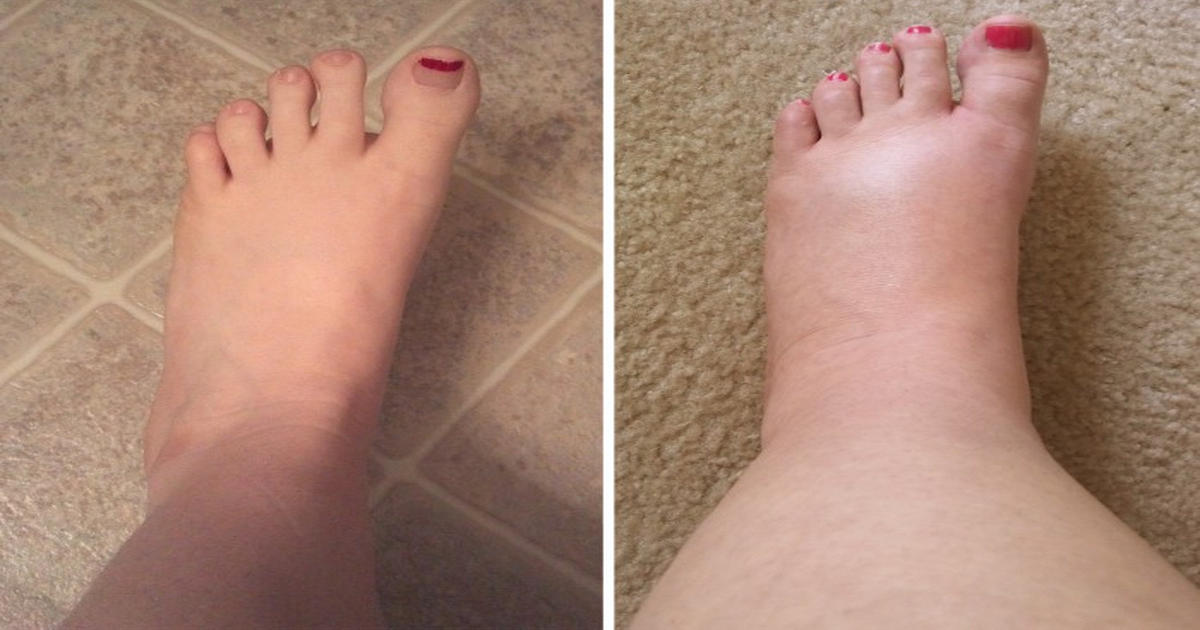
Swelling, or edema, in your legs and ankles can be caused by a weak or enlarged heart. This can lead to fluid building up in your body. You might notice your shoes don’t fit anymore, or your sneakers feel tighter. Your ankle might feel soft and puffy, and if you press on it, it leaves a little dent, which doctors call “pitting edema.”
You’re more likely to notice this swelling in your legs and ankles at the end of the day because gravity pulls fluid down. If you lie down and raise your legs, the swelling might go down.
Seven Symptoms Your Heart Might Be Struggling

These are things you feel that could signal a heart problem.
Key Takeaways
- Shortness of Breath: Especially with effort, or when lying down.
- Persistent Cough: With white or pink mucus.
- Generalized Weakness: Feeling tired all the time.
- Nocturia: Waking up many times at night to pee.
- Intermittent Claudication: Leg pain when walking that stops with rest.
- Chest Pain: A discomfort that lasts more than a few minutes and might spread.
Shortness of Breath
The first symptom to watch out for is shortness of breath, especially when you’re doing something active. It’s a feeling of being out of breath more than you should be for the effort you’re putting in. You might find yourself panting more often. This could be a heart problem.
Persistent Cough
A cough that won’t go away, especially if it brings up white or pink mucus, could mean there’s fluid in your lungs. Don’t ignore this kind of cough. See a doctor!
Shortness of Breath When Lying Down
If you start needing more pillows to sleep comfortably, or eventually can’t lie flat at all and have to sleep in a chair, that’s a big sign. You might also wake up gasping for air at night, which is called paroxysmal nocturnal dyspnea. These are strong indicators of a heart problem.
Generalized Weakness
Feeling tired all the time and having trouble with everyday activities like shopping, climbing stairs, carrying groceries, or walking can be a symptom. This happens because your heart isn’t pumping enough blood to meet the needs of your muscles and body tissues.
Nocturia: Nighttime Urination
If you wake up many times during the night to pee, that’s called nocturia. There are many reasons for this, but if your heart isn’t pumping well, that extra fluid needs to be gotten rid of at night.
Intermittent Claudication: Leg Pain with Walking
When you walk a short distance, you feel pain in your calf. It’s not constant pain; it only happens when you exert yourself, and it gets better when you stop. This symptom means that blood isn’t getting to your leg muscles as it should. When you stop, the pain goes away. When you walk again, it comes back.
Chest Pain
If you’re having chest pain, the first thing you should consider is that it might be a heart problem. Don’t just assume it’s muscle pain, gas, or something simple. While it could be, you always need to rule out the more serious possibility first.
Heart pain is a discomfort in the chest that lasts more than a few minutes. It can come and go, and feel like pressure, heaviness, tightness, or burning. It might spread to your left arm, neck, back, jaw, stomach, or both elbows. You might also have sweating, paleness, nausea, and dizziness with it. If you have these symptoms, you need to see a doctor right away.
How to Keep Your Heart Healthy

Now, how can you prevent heart problems in the future? Here are some important tips:
- Get Moving: Exercise is super important for your circulation, your heart, and your mental well-being. Don’t just sit around! Low-impact exercises like walking, biking, or swimming can even help improve blood flow if you have chronic blockages in your veins and arteries.
- Quit Smoking: If you smoke, stop! Smoking is one of the worst things you can do for your health. It can cause impotence, inflame your arteries, and lead to fatty plaques, increasing your risk of heart attack, stroke, and dementia.
- Manage Your Weight: If you’re overweight or obese, losing weight is key. Extra weight raises your blood pressure, worsens blood sugar, causes inflammation, and puts a strain on your heart, kidneys, joints, and venous system, increasing the risk of blood clots. It also increases fat in your liver.
- Eat Well: Focus on healthy foods. Eat lots of fruits and vegetables, fiber, whole grains, and olive oil. Cut back on red meat and processed foods.
- Know Your Family History: If heart problems run in your family, especially if your parents or siblings have had heart attacks, strokes, stents, or heart surgery, you need to be more careful than others. If many people in your family have heart issues, you should get more thorough check-ups.
- Control Cholesterol and Triglycerides: Eat more oats, avoid trans fats and saturated fats, lose weight, eat more fiber, and exercise. If you do all this and your levels are still high, don’t be upset if your doctor prescribes medication. About 80% of your cholesterol is made by your liver, so sometimes doing everything right isn’t enough.
- Keep Blood Sugar in Check: If you have diabetes or pre-diabetes, controlling your blood sugar levels well can reduce complications. Your HbA1c should be below 7.
- Manage Blood Pressure: Your goal is to keep your blood pressure below 120/80. For some, a less strict goal might be not higher than 140/90.
If you think you might have a heart problem, or if you’ve noticed several of the signs and symptoms we talked about, please see a doctor. Explain what you’re experiencing and follow their advice. Your heart will thank you!