Why Do Japanese People Avoid Prolonged Eye Contact?
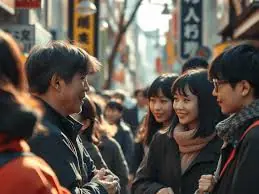
For many visitors to Japan, one subtle behavior can feel puzzling: people often avoid prolonged eye contact. Conversations may involve brief glances rather than steady gazes, and strangers rarely lock eyes in public. To outsiders—especially those from Western cultures—this can feel distant or even uncomfortable.
But in Japan, avoiding long eye contact is not a sign of dishonesty, disinterest, or lack of confidence. Instead, it reflects deep cultural values rooted in respect, harmony, and social awareness.
Eye Contact Means Different Things Across Cultures
In many Western societies, steady eye contact signals confidence, sincerity, and engagement. Avoiding it may be interpreted as evasive or rude.
In Japan, the meaning is almost reversed.
Staring directly into someone’s eyes—especially for an extended period—can feel intrusive or confrontational. Rather than building trust, it may create discomfort. As a result, Japanese communication relies more on subtle facial cues, tone of voice, and context than on sustained eye contact.
Respect and Social Distance
Japanese culture places strong emphasis on respecting personal boundaries. Prolonged eye contact can feel like crossing an invisible line, particularly with strangers, elders, or authority figures.
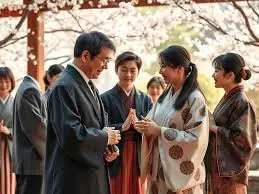
Lowering one’s gaze slightly is a way to show politeness and humility. It signals that the speaker does not intend to challenge, dominate, or place themselves above the other person.
This behavior is especially common in formal settings, workplaces, and interactions with seniors.
Avoiding Confrontation and Preserving Harmony
Another key reason lies in the cultural value of wa, or social harmony. Direct eye contact can be emotionally intense. In some contexts, it may be interpreted as aggressive or confrontational.
By softening eye contact, Japanese people reduce emotional pressure and keep interactions calm and balanced. This helps prevent misunderstandings and maintains a peaceful social atmosphere—particularly important in crowded cities and close-knit communities.
Communication Beyond the Eyes
Japanese communication often relies on what is not said as much as what is spoken. Subtle gestures, pauses, indirect language, and shared understanding play a central role.
Instead of maintaining eye contact, people may:
-
Look briefly, then glance away
-
Focus on the listener’s general face rather than the eyes
-
Observe posture and tone rather than facial intensity
This approach allows communication to feel gentle rather than forceful.
Hierarchy and Social Awareness
Japan has a strong awareness of social roles and hierarchy. In traditional norms, making prolonged eye contact with someone of higher status—such as a boss, teacher, or elder—can be seen as disrespectful.
Avoiding eye contact in these situations reflects awareness of one’s position and consideration for social order, not submissiveness or insecurity.

Not a Lack of Confidence or Honesty
Visitors sometimes misinterpret this behavior as a lack of confidence or openness. In reality, many Japanese people are deeply attentive listeners—even without direct eye contact.
Politeness, reliability, and sincerity are expressed through actions rather than gaze. Once trust is established, eye contact may naturally increase, especially in close relationships.
When Eye Contact Does Happen
It’s important to note that eye contact is not entirely avoided in Japan. Among friends, family, or in informal settings, people may make eye contact more freely.
The key difference is moderation. The goal is balance—enough eye contact to show attentiveness, but not so much that it feels intense or invasive.
What Visitors Can Learn
Understanding this cultural nuance can prevent misunderstandings and help visitors feel more at ease. You don’t need to force eye contact to be polite in Japan. Gentle glances, relaxed posture, and respectful tone matter far more.
Many travelers find that this softer approach to interaction creates a surprisingly calm and thoughtful social environment.
Final Thoughts
Japanese people avoid prolonged eye contact not because they are shy or distant, but because they value respect, harmony, and emotional sensitivity.
Once you understand this, the behavior no longer feels strange—it feels intentional, considerate, and deeply cultural.
Sometimes, looking away is simply another way of being polite.