A single morning habit. One overlooked warning. And a medical emergency that changed everything.
A 24-year-old woman was rushed to the hospital after suffering a life-threatening stomach perforation, a rare but severe condition in which a hole forms in the stomach wall, allowing digestive contents to leak into the abdominal cavity. According to clinicians involved in the case, the trigger was linked to one common morning coffee mistake—a routine so familiar that millions repeat it daily without a second thought.
This is not a story meant to scare.
It is a story meant to inform.
The Morning That Felt “Normal” — Until It Didn’t

Like many young professionals, the woman began her day with coffee. No breakfast. No water. Just a strong cup on an empty stomach, something she had done for years to save time and suppress appetite. At first, there was only discomfort—burning pain beneath the ribs, nausea, a feeling she described as “acid crawling upward.”
She ignored it.
Within hours, the pain escalated sharply. She became dizzy, clammy, and unable to stand upright. By the time she arrived at the emergency department, imaging revealed free air in the abdomen—a red flag for gastrointestinal perforation.
She was taken into emergency surgery.
What Is a Stomach Perforation?
A stomach (gastric) perforation occurs when the stomach lining erodes completely, creating an opening through which acid, bacteria, and partially digested food spill into the abdominal cavity. This can lead to peritonitis, sepsis, and, if untreated, death.
Doctors emphasize that perforation is rare, especially in young adults. However, when it does occur, it is often associated with:
-
Severe or untreated gastric ulcers
-
Chronic inflammation of the stomach lining (gastritis)
-
Prolonged use of NSAIDs (like ibuprofen)
-
Excess stomach acid combined with a weakened mucosal barrier
In this case, physicians noted long-standing gastric irritation, worsened by repeated exposure to coffee on an empty stomach.
Why Coffee Can Be a Problem — For Some People
Coffee itself is not dangerous.
But context matters.
Caffeine stimulates gastric acid secretion. For individuals with sensitive stomachs, ulcers, or underlying gastritis, drinking coffee without food can:
-
Increase acid concentration
-
Delay stomach emptying
-
Weaken the protective mucus layer
-
Exacerbate existing micro-erosions in the stomach lining
Over time, this creates a perfect storm—especially when paired with stress, irregular meals, or painkiller use.
Doctors involved in the case were careful to clarify:
Coffee alone does not “cause” stomach perforation.
But in vulnerable individuals, it can accelerate damage that is already happening silently.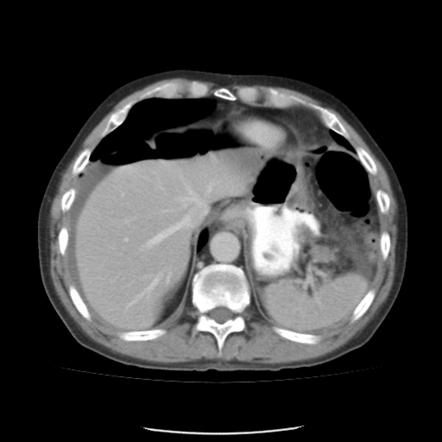
The Warning Signs That Were Missed
Looking back, the patient recalled weeks of symptoms she had normalized:
-
Persistent burning pain after coffee
-
Nausea without vomiting
-
Bloating and early fullness
-
Occasional black or very dark stools
These signs are often dismissed as “acid reflux” or stress. Yet gastroenterologists warn that persistent upper-abdominal pain is never something to ignore, especially when it worsens on an empty stomach.
Emergency Surgery and Recovery
Surgeons repaired the perforation and thoroughly cleaned the abdominal cavity to prevent infection. She spent several days in intensive care, followed by weeks of recovery and strict dietary restrictions.
She survived—but doctors were clear:
The outcome could have been far worse if treatment had been delayed even a few more hours.
A Broader Lesson, Not a Moral One
This case has circulated widely online, often reduced to alarming headlines. Medical professionals urge a more balanced takeaway:
-
Do not panic
-
Do not demonize coffee
-
Do listen to your body
What matters most is recognizing patterns of pain, especially pain that is recurrent, worsening, or tied to specific habits.
How to Protect Your Stomach Health
Doctors recommend simple, evidence-based steps:
-
Avoid drinking coffee on a completely empty stomach if you experience discomfort
-
Eat a small meal or snack before caffeine
-
Limit excessive NSAID use
-
Seek medical advice for ongoing heartburn or stomach pain
-
Never ignore sudden, severe abdominal pain
Early intervention can prevent complications that no morning routine is worth risking.

One Habit. One Body. One Wake-Up Call.
This young woman’s experience is not about blame.
It’s about awareness.
Sometimes the most dangerous habits aren’t dramatic or reckless—they’re quiet, familiar, and repeated every morning.
And sometimes, the body whispers long before it screams.