Your kidneys are among the hardest-working organs in your body, yet they rarely demand attention. Every minute, they quietly filter waste
from your blood, balance fluids and electrolytes, regulate blood pressure, and support vital functions that keep your body stable and
energized. Because they perform these tasks so efficiently, many people don’t think about their kidneys at all - until something starts to go
wrong.
The good news is that healthy kidneys usually give subtle but reliable signs that they’re functioning well, if you know how to recognize
them. Paying attention to these signals can help you protect kidney health early and avoid problems later on.
Below are five key signs of healthy kidneys, along with simple ways to notice them in daily life.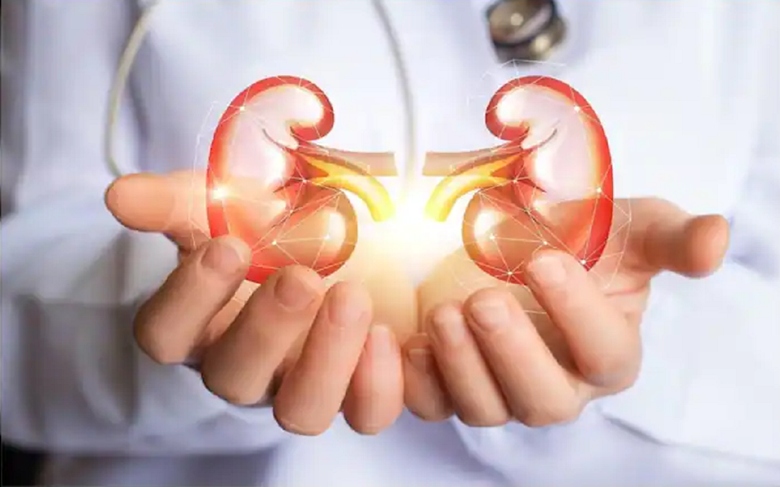
1. Normal, Consistent Urination
One of the most obvious and important - indicators of healthy kidneys is regular, comfortable urination.
When your kidneys are functioning properly, you’ll typically notice:
-
Urinating about 4–7 times a day, depending on fluid intake
-
No burning, stinging, or pain
-
No sudden urgency or trouble starting or stopping
Healthy kidneys adjust urine production based on how much water you drink, how active you are, and even the temperature around you. If
your urination pattern feels natural, predictable, and painless, that’s usually a strong sign your kidneys are doing their job well.
Watch out for: frequent nighttime urination, discomfort, or sudden unexplained changes in frequency, which may signal kidney or urinary
issues.
2. Clear or Light Yellow Urine
Urine color is one of the simplest yet most revealing indicators of kidney health and hydration.
-
Clear or pale yellow urine usually means you’re well-hydrated and your kidneys are filtering waste efficiently
-
Dark yellow or amber urine often points to dehydration
-
Cloudy, foamy, or blood-tinged urine may indicate infection, protein leakage, or kidney stress
Healthy kidneys filter waste without allowing excessive protein or blood cells to pass into urine, which helps maintain a clear appearance.
Helpful habit: Check urine color in the morning and again later in the day. As hydration improves, urine should gradually become lighter.
3. Steady Energy Levels and Mental Clarity
Kidneys do more than manage waste—they also play a role in maintaining energy and brain function.
When kidneys are healthy, they help:
-
Support red blood cell production
-
Maintain balanced electrolytes
-
Ensure efficient oxygen delivery throughout the body
As a result, many people with healthy kidneys experience:
-
Stable energy throughout the day
-
Clear thinking and focus
-
Less unexplained fatigue
Persistent tiredness, weakness, or brain fog—especially when not linked to sleep or stress—can sometimes indicate kidney strain, particularly if
other symptoms are present.
4. No Ongoing Swelling or Puffiness
One of the kidneys’ key roles is regulating fluid balance. When they function properly, excess sodium and water are removed efficiently from
the body.
Signs of healthy fluid control include:
-
No persistent swelling in the ankles, feet, hands, or face
-
Rings, watches, and shoes fitting normally
-
Minimal puffiness upon waking
When kidneys struggle, fluid can build up in tissues, leading to noticeable swelling—often one of the earliest physical warning signs.
5. Balanced and Stable Blood Pressure
Kidneys and blood pressure are closely connected. The kidneys help control blood pressure by managing fluid levels and releasing hormones
that influence blood vessel function.
Healthy kidneys often support:
-
Blood pressure within a normal, stable range
-
Fewer unexplained spikes or drops
This relationship works both ways: high blood pressure can damage kidneys, and kidney damage can cause blood pressure to rise. That’s why
stable blood pressure is one of the strongest indicators of long-term kidney health.
Regular blood pressure checks can offer valuable insight into how well your kidneys are functioning over time.
How to Support Healthy Kidneys Every Day
Even if your kidneys are currently healthy, daily habits play a major role in keeping them that way. Simple lifestyle choices can make a significant difference:
-
Drink adequate water without excessive overhydration
-
Limit excess salt and ultra-processed foods
-
Avoid overusing painkillers and anti-inflammatory medications
-
Stay physically active
-
Get regular medical checkups, especially if you have diabetes or high blood pressure
Final Thoughts
Healthy kidneys don’t announce themselves—but they do leave clues. Normal urination, light-colored urine, steady energy, absence of
swelling, and balanced blood pressure are all quiet signals that your kidneys are functioning well.
By paying attention to these everyday signs, you can catch potential issues early and protect your health long before serious symptoms
appear. Your kidneys work for you 24 hours a day—learning to recognize the signs of their health is one of the smartest investments you can
make in your long-term well-being.