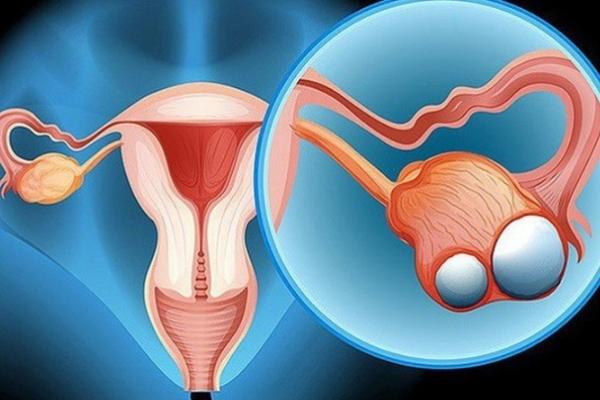
Cervical cancer remains one of the most common cancers affecting women worldwide. The encouraging news is that it is also one of the
most preventable cancers, thanks to routine screening such as Pap smears and the widespread availability of the HPV vaccine. Early
detection and prevention have saved countless lives.
However, prevention does not end with medical tests alone. Certain lifestyle and intimate behaviors can still increase a woman’s risk -
sometimes in ways that are not immediately obvious. In particular, some habits within a marriage or long-term relationship can
unintentionally influence a woman’s cervical health.
While this can be uncomfortable to discuss, understanding these factors is essential. Cervical cancer prevention is not just an individual
responsibility - it is a shared effort between partners.
Below are three intimate habits that husbands may not realize can increase the risk of cervical cancer in their wives, along with practical
steps to reduce that risk before serious problems develop.
1. Smoking: A Personal Habit With Shared Consequences
Smoking is often viewed as a personal choice, but its health effects extend beyond the individual. For women, especially those who live with or
are frequently exposed to a smoking partner, smoking can significantly increase the risk of cervical cancer.
How Smoking Increases Cervical Cancer Risk
-
Weakened Immune Response
Smoking suppresses the immune system, making it harder for the body to clear infections—especially human papillomavirus (HPV), the primary cause of cervical cancer. While many HPV infections resolve naturally, smoking reduces the body’s ability to fight the virus, allowing it to persist and cause cellular damage. -
Exposure to Harmful Chemicals
Tobacco smoke contains carcinogens that can directly damage cervical cells. These harmful substances have been found in cervical mucus, increasing the likelihood of abnormal cell changes over time. -
Secondhand Smoke Exposure
Even if a woman does not smoke herself, regular exposure to secondhand smoke raises her risk. Studies show that women who live with smokers are more likely to develop persistent HPV infections and cervical abnormalities.
What Husbands Can Do
-
Quit smoking or actively seek support to reduce or stop
-
Never smoke around their partner
-
Create a smoke-free home environment
Quitting smoking benefits both partners and dramatically lowers cancer-related risks.
2. Risky Sexual Behavior and HPV Transmission
Human papillomavirus (HPV) is a sexually transmitted virus responsible for nearly all cases of cervical cancer. Many men carry HPV without
symptoms and may unknowingly transmit it to their partners.
How S.e.xual Habits Influence Cervical Can.cer Risk
-
Multiple Sexual Partners
Having multiple partners increases the likelihood of exposure to high-risk HPV strains. Women whose partners have had many sexual partners face a higher risk - even if they themselves have had few or none. -
Unprotected Sex
While condoms do not provide complete protection against HPV, they significantly reduce the risk of transmission and lower the chance of developing persistent infections. -
Past Sexual History
HPV can remain dormant for years. A man may carry the virus unknowingly and pass it on long after previous relationships.
What Husbands Can Do
-
Get the HPV Vaccine
The HPV vaccine is not only for women. Vaccinated men are less likely to carry and transmit high-risk strains of HPV. -
Practice Safe Sex
Using condoms consistently helps reduce HPV transmission and protects against other sexually transmitted infections that can further damage cervical tissue. -
Commit to Monogamy and Transparency
Open discussions about sexual history and health allow couples to make informed decisions and take appropriate precautions together.
3. Poor Hygiene and Lack of Sexual Health Awareness
Although often overlooked, hygiene and sexual health awareness play an important role in preventing infections that may increase cervical
cancer risk.
How Hygiene Impacts Cervical Health
-
Bacterial and Fungal Infections
Poor genital hygiene can lead to infections that cause chronic inflammation of the cervix, making it more vulnerable to HPV-related damage. -
Increased Irritation and Inflammation
Infections or irritation following sexual activity can weaken cervical tissue, increasing the likelihood of abnormal cell changes over time. -
Delayed Detection of STIs
A lack of awareness about sexual health symptoms can delay diagnosis and treatment of infections that compound cancer risk.
What Husbands Can Do
-
Maintain proper personal hygiene, especially before and after intimacy
-
Pay attention to signs of infection or discomfort
-
Seek regular sexual health checkups
-
Encourage open, judgment-free communication about sexual health concerns
Mutual awareness and care protect both partners.
Prevention Is a Shared Responsibility
Cervical cancer prevention goes beyond medical screening alone. While Pap smears, HPV testing, and vaccination are essential, daily habits
and relationship dynamics also matter.
By:
-
Avoiding smoking and secondhand smoke
-
Practicing safe and responsible sexual behavior
-
Maintaining good hygiene
-
Communicating openly about health
Husbands can play a meaningful role in protecting their wives’ long-term health.
Final Thoughts
Cervical cancer is largely preventable - but prevention works best when both partners are informed and involved. Some risk factors may feel
uncomfortable to acknowledge, yet awareness is the first step toward change.
Healthy relationships are built not only on trust and affection, but also on shared responsibility for each other’s well-being. By making
thoughtful choices today, couples can significantly reduce the risk of cervical cancer and support a healthier future together.