“Natural enemy of cancer.”
That phrase sounds dramatic—and it’s often overused online. But behind the hype, there is a solid scientific idea worth understanding: some vegetables contain compounds that help reduce cancer risk by supporting the body’s natural defense systems.
They don’t cure cancer.
They don’t replace medical treatment.
But they do help create an internal environment where disease is less likely to thrive.
And the best part?
Some of the most powerful ones are easy to grow at home.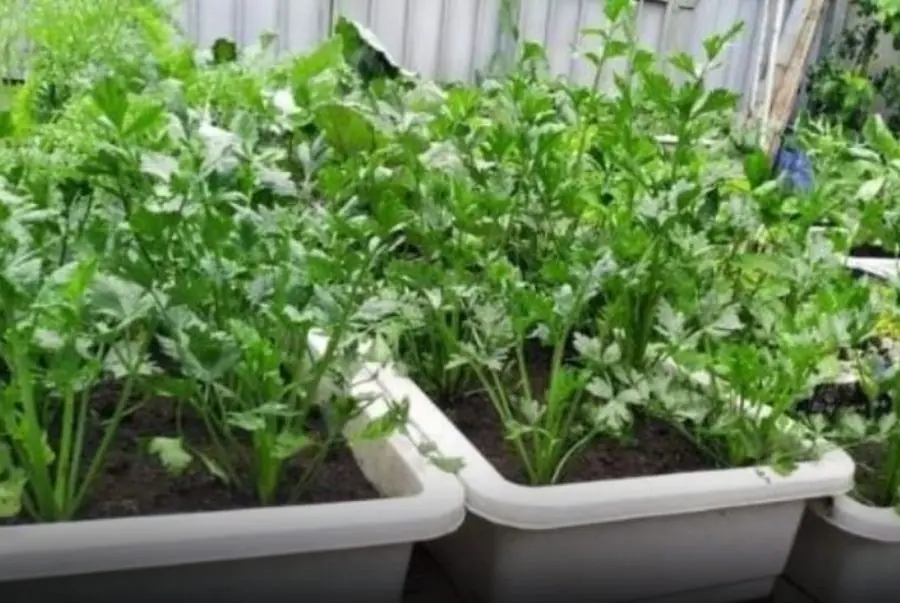
Why vegetables are linked to lower cancer risk
Cancer doesn’t appear overnight. It develops over years through:
-
Chronic inflammation
-
Oxidative stress (cell damage)
-
Hormonal imbalance
-
Weakened immune surveillance
Certain vegetables help counter these processes by providing:
-
Antioxidants
-
Fiber
-
Anti-inflammatory compounds
-
Phytochemicals that support cell repair
That’s why diets rich in vegetables are consistently associated with lower rates of many cancers, especially digestive and hormone-related cancers.
Vegetable #1: Celery
Celery is often underestimated because it’s light and low-calorie. But nutritionally, it’s powerful.
Why celery matters:
-
Contains apigenin and luteolin, compounds studied for anti-inflammatory and anti-tumor activity
-
Supports liver detoxification pathways
-
Helps reduce chronic inflammation, a major cancer risk factor
Celery is also extremely easy to grow in pots. Even regrowing it from the base in water works.
How to use it:
Raw in salads, blended into juices, or lightly cooked in soups.
Vegetable #2: Spinach
Spinach is one of the most nutrient-dense leafy greens available.
What makes spinach special:
-
Rich in folate, which helps protect DNA from damage
-
High in carotenoids and flavonoids that neutralize free radicals
-
Provides fiber that supports gut health and toxin elimination
A healthy gut plays a major role in immune balance and inflammation control—both crucial for cancer prevention.
Spinach grows quickly, even in small containers, and can be harvested multiple times.
Best tip:
Lightly cook spinach sometimes—this improves absorption of certain nutrients.
Vegetable #3: Parsley
Often treated as just a garnish, parsley is actually a nutritional heavyweight.
Why parsley stands out:
-
Extremely high in antioxidants
-
Contains apigenin, studied for its role in slowing abnormal cell growth
-
Supports kidney and liver function
-
Helps reduce oxidative stress
Parsley thrives in pots, needs little space, and grows year-round in mild climates.
Adding parsley regularly is one of the simplest ways to boost daily antioxidant intake.
Why “the more you eat, the better” needs context
More vegetables is generally good—but balance still matters.
Eating these vegetables regularly:
-
Supports immune surveillance
-
Reduces inflammation
-
Improves digestion and toxin elimination
But they work best as part of:
-
A varied plant-rich diet
-
Adequate protein intake
-
Limited processed foods
-
Healthy lifestyle habits
No single food cancels out smoking, heavy drinking, or chronic stress.
Why growing vegetables at home is a bonus

Home-grown vegetables offer advantages beyond nutrition:
-
Fewer pesticide residues
-
Fresher nutrient content
-
Higher motivation to eat greens regularly
-
Mental health benefits from gardening
Even a few pots on a balcony can increase vegetable intake significantly.
Consistency matters more than quantity.
What this does NOT mean
-
These vegetables do not cure cancer
-
They do not replace screening or treatment
-
They do not guarantee prevention
What they do is stack the odds in your favor.
Cancer prevention is not about one “enemy.”
It’s about daily habits that quietly protect cells over time.
Bottom line
Calling vegetables a “natural enemy of cancer” is oversimplified—but not entirely wrong.
Celery, spinach, and parsley:
-
Reduce inflammation
-
Protect cells from damage
-
Support detoxification and immunity
They’re affordable.
They’re easy to grow.
And they work best when eaten often, not occasionally.
Real prevention doesn’t come from fear or miracle claims.
It comes from small, repeatable choices—made every day.
Sometimes, the strongest protection really does start
in a few humble pots at home.