The hands can quietly reveal what the liver is struggling to hide.
Liver failure rarely arrives overnight. It develops gradually, often without pain, while the body adapts in silence. By the time obvious symptoms appear, damage may already be advanced. What many people don’t realize is that some of the earliest visible warning signs can show up on the hands—long before severe abdominal pain or jaundice becomes impossible to ignore.
Doctors consistently emphasize this point: hands are windows into liver health. When the liver can no longer properly process hormones, toxins, and proteins, subtle changes begin to surface in the skin, nails, and fingers.
Below are three distinct hand signs that medical professionals consider red flags. Not diagnoses—but warnings that demand attention.

1. Palmar erythema: unusually red palms
Palmar erythema refers to persistent redness of the palms, especially around the base of the thumb and little finger. The redness often looks symmetrical and does not fade when pressed.
This happens because a damaged liver struggles to regulate hormone levels, particularly estrogen. Elevated estrogen causes blood vessels in the palms to dilate, leading to the characteristic red appearance.
Important details:
-
The palms feel warm but not painful
-
The redness is constant, not triggered by temperature or exercise
-
It often appears in both hands
While palmar erythema can have other causes, chronic liver disease and liver failure are among the most serious. When this sign appears alongside fatigue or digestive issues, it should not be ignored.
2. Nail changes: pale, white, or abnormal nails
The liver plays a major role in protein production and circulation. When it fails, nails often reflect that imbalance.
Doctors watch for:
-
White or pale nails (sometimes called “Terry’s nails”)
-
Loss of the normal pink color at the nail bed
-
Nails that look dull, opaque, or unhealthy
These changes are linked to:
-
Low albumin levels
-
Poor blood flow
-
Chronic inflammation
In liver failure, the body prioritizes vital organs, and peripheral areas like nails receive less nutritional and circulatory support. Nail changes may seem cosmetic, but they often indicate systemic dysfunction.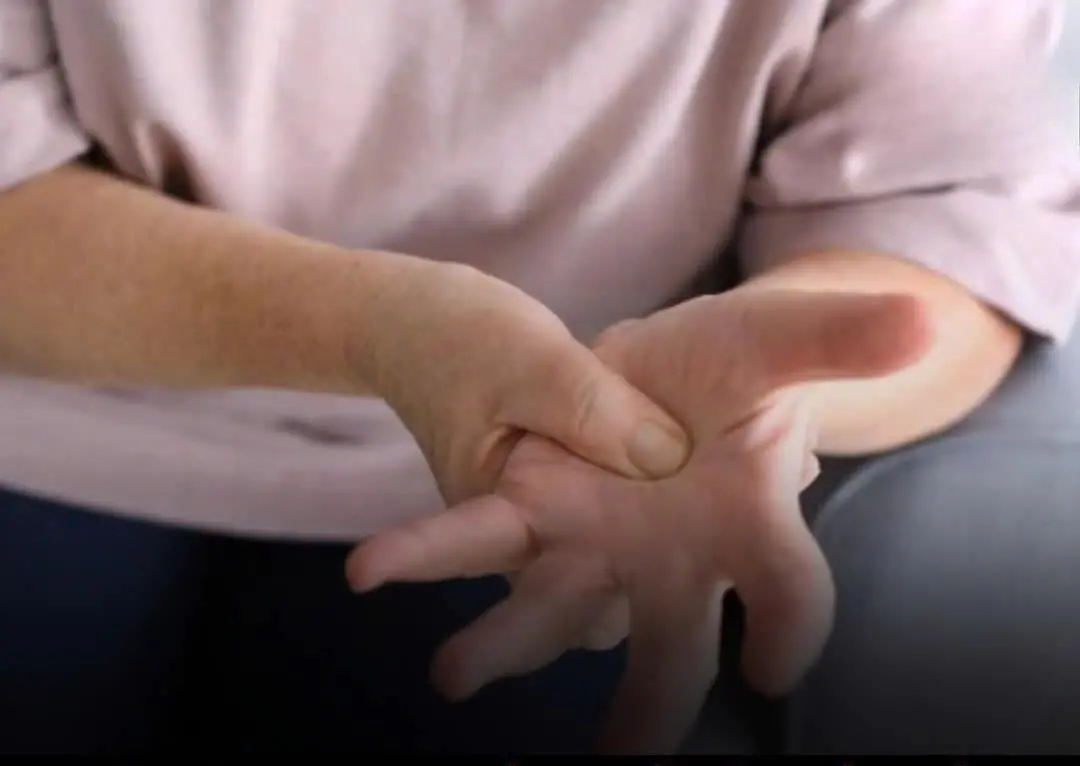
3. Finger clubbing or swelling
Clubbing occurs when the fingertips become rounded, enlarged, and spongy, and the nails curve downward more than usual. This change develops slowly and is often overlooked because it’s painless.
In liver disease, clubbing can be related to:
-
Chronic inflammation
-
Altered oxygen delivery
-
Long-term systemic stress
While clubbing is also seen in lung and heart conditions, its presence alongside other liver-related symptoms significantly raises concern.
A simple self-check doctors use:
When two matching fingers are placed nail-to-nail, a small diamond-shaped space should appear. If that space disappears, clubbing may be present.
Why the liver shows signs in the hands
The liver is responsible for:
-
Detoxifying blood
-
Producing essential proteins
-
Regulating hormones
-
Supporting immune balance
When it begins to fail, toxic byproducts accumulate, hormone levels shift, and circulation changes. The hands—rich in blood vessels and sensitive to systemic imbalance—often reflect these changes early.
The body speaks softly at first. The hands are part of that early language.
Other symptoms that often appear alongside hand signs
Hand changes rarely occur alone. Warning signs that commonly accompany them include:
-
Chronic fatigue
-
Easy bruising or bleeding
-
Yellowing of the eyes or skin
-
Swelling in the legs or abdomen
-
Dark urine or pale stools
-
Loss of appetite or nausea
When hand signs appear together with any of these symptoms, medical evaluation should not be delayed.
What these signs do NOT mean
-
They do not confirm liver failure on their own
-
They do not replace blood tests or imaging
-
They do not justify panic
But they do justify action.
Early liver damage can sometimes be slowed—or even partially reversed—if caught in time. Late-stage liver failure is far more difficult to manage.
When to see a doctor immediately
Medical advice should be sought promptly if:
-
Two or more hand signs appear together
-
Symptoms worsen over weeks
-
There is a history of hepatitis, heavy alcohol use, or fatty liver disease
-
Fatigue becomes disabling
Liver disease often progresses quietly. Waiting for pain is a mistake.
Bottom line
The hands don’t diagnose liver failure—but they often warn before it’s too late.
Red palms.
Unusual nails.
Changing fingers.
These are not cosmetic issues. They are messages.
Listening early can mean the difference between management and irreversible damage. When the body sends signals through the hands, the smartest response is not delay—but clarity.
Sometimes, the path to protecting the liver begins by simply
looking down—and taking what’s seen seriously.