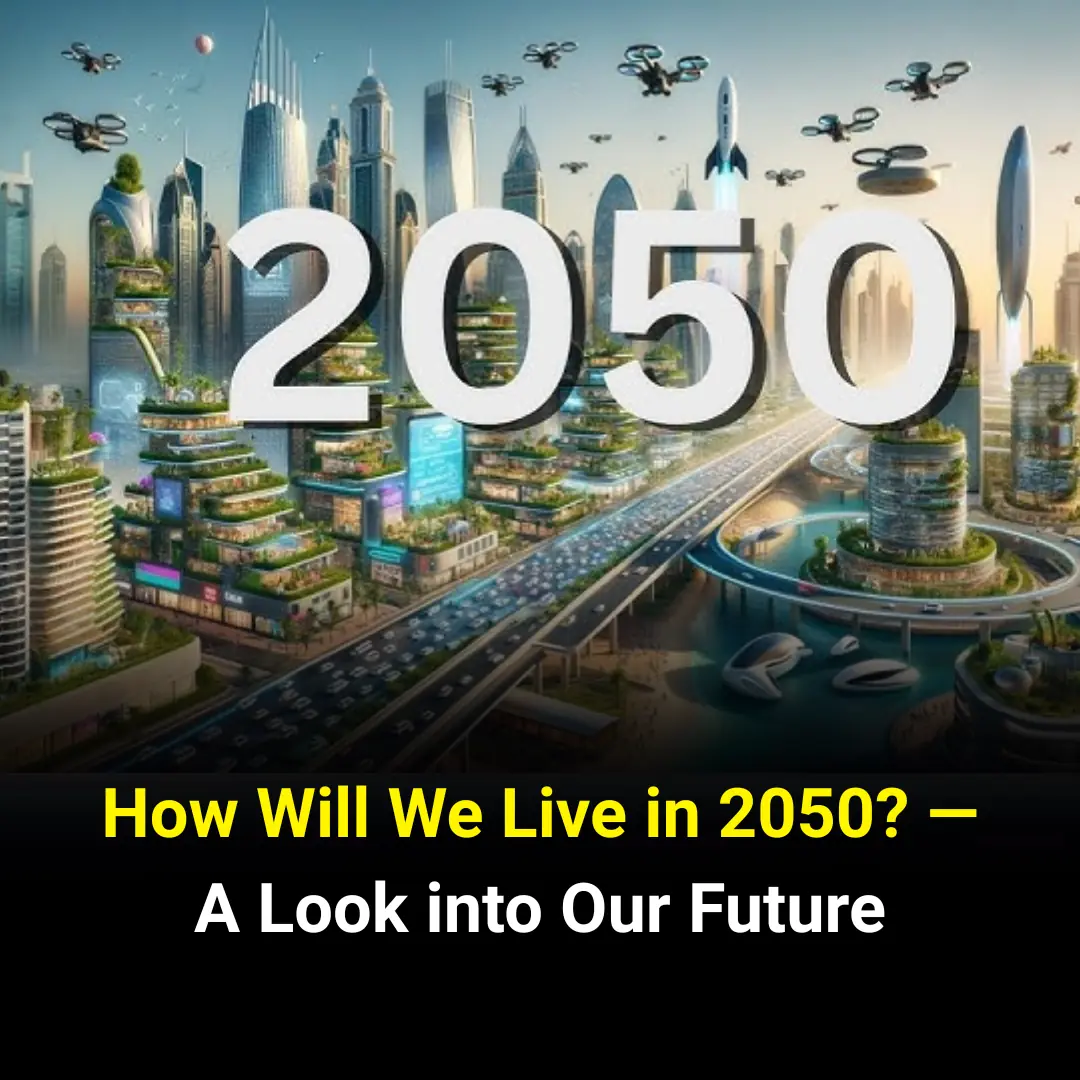
How Will We Live in 2050? — A Look into Our Future
The world is evolving at an unprecedented pace. By 2050, life as we know it will be fundamentally different due to advances in technology, shifting demographics, environmental pressures, and changes in cities and infrastructure. This essay explores some of the most impactful trends shaping our future.
1. Technological Transformation
One of the defining features of life in 2050 will be the extent to which technology permeates everyday existence. Experts predict that technologies such as artificial intelligence (AI), augmented reality (AR), and the Internet of Things (IoT) will become virtually ubiquitous. AI systems could manage everything from autonomous transportation to personalized healthcare and smart homes that optimize comfort and convenience on our behalf. Connected devices and sensor networks will create truly “smart” environments, making daily life more efficient and responsive to individual needs.
Similarly, AR and virtual reality (VR) could transform education and entertainment, allowing students and professionals to engage in immersive learning environments and virtual workplaces.
2. Urbanization and Smart Cities
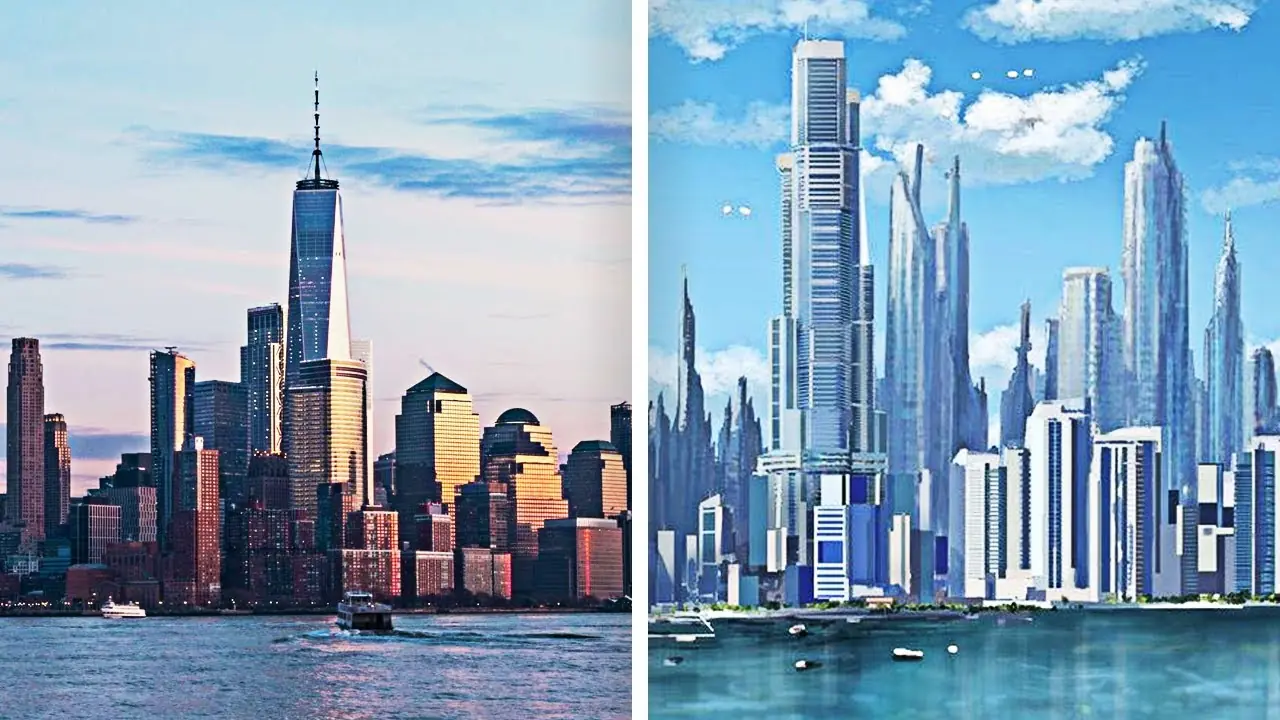
By 2050, cities will host far more of the world’s population than today. Urban centers are expected to house around 70% of the global population, as they continue to expand in size and complexity. This rapid urbanization will make cities the hubs of innovation, governance, and economic activity.
Smart cities will integrate digital technologies into public infrastructure to improve transportation efficiency, reduce traffic congestion, enhance public safety, and promote sustainability. Data-driven systems — from energy grids to waste management — will be essential for accommodating this massive urban growth.
3. Demographics and an Aging World
Global population trends will also shape how we live in 2050. The world population is projected to exceed 9 billion people by mid-century, and demographic shifts will result in a growing proportion of older adults. This aging trend has significant implications for healthcare systems, pensions, and workforce compositions.
A highly educated and tech-savvy Generation Alpha — born in the 2010s and early 2020s — will enter adulthood with different expectations and workforce roles, shaping future labor markets and cultural norms.

4. Environment and Climate Change
Climate change will be one of the most pressing challenges of mid-century life. Studies warn that the number of people exposed to extreme heat conditions could more than double by 2050 if global temperatures rise by 2 °C, affecting energy demand patterns and quality of life.
Rising sea levels threaten coastal cities worldwide, potentially forcing millions to migrate inland. Even if global warming is limited to 1.5 °C, vulnerable coastal regions could become uninhabitable, prompting large-scale population shifts.
To adapt and mitigate these impacts, many countries — including Vietnam — are planning major transitions toward renewable energy sources, with goals of achieving net-zero emissions and having renewable energy supply a majority of national energy needs by 2050.
5. Healthcare and Life Expectancy
Healthcare in 2050 will likely be transformed by breakthroughs in biotechnology, genetic engineering, and personalized medicine. These advancements could allow earlier disease detection and more effective treatments tailored to individual genetic profiles, dramatically improving health outcomes.
Some futurists even speculate about radical extensions of human life expectancy through advanced medical and technological integration, although these ideas remain speculative and controversial.
Conclusion
Life in 2050 will be shaped by powerful forces of innovation, environmental change, and demographic shifts. Technological advancements promise to enhance daily living and urban efficiency, while climate change and aging populations present serious challenges that societies must address. As we look toward mid-century, the choices made today in policy, infrastructure, and global cooperation will determine whether the future becomes more equitable, sustainable, and prosperous.