Be Careful If You Notice These Bruises on Your Body — Here’s What They Could Be Telling You
Bruises are common. Most of the time, they come from something simple — bumping into a table, exercising too hard, or forgetting a minor injury. But not all bruises are harmless, and some patterns should never be ignored.
If you frequently notice unexplained bruises, bruises that appear without pain, or marks that take unusually long to fade, your body may be trying to send a warning.
What Exactly Is a Bruise?
A bruise happens when small blood vessels under the skin break, allowing blood to leak into surrounding tissue. This creates the familiar purple, blue, or brown discoloration. As the body heals, the color slowly changes before fading away.
Most bruises heal within one to two weeks. When they don’t, that’s when questions should be asked.
Bruises That Appear Without Any Injury
If bruises show up and you don’t remember hitting anything, it could be a sign of:
• Vitamin deficiencies, especially vitamin C, vitamin K, or vitamin B12
• Weakened blood vessels, often linked to aging or poor nutrition
• Blood clotting issues, which affect how your body controls bleeding
Occasional mystery bruises can happen. Frequent unexplained bruising is not normal.
Bruising Easily From Light Contact
Do you bruise from a gentle touch or light pressure?
This can be linked to:
• Iron deficiency, which affects oxygen delivery in the blood
• Thin skin, especially in older adults
• Certain medications, including blood thinners, aspirin, or corticosteroids
If light contact regularly leaves marks, it’s worth paying attention.
Large or Painful Bruises That Keep Growing
Some bruises don’t just appear — they spread. Large, swollen, or increasingly painful bruises may indicate:
• Internal bleeding beneath the skin
• Muscle injuries
• Blood vessel damage
These bruises often feel firm or tender and may require medical evaluation.
Bruises That Take a Long Time to Heal
A bruise that sticks around longer than two or three weeks may signal:
• Poor circulation
• Liver problems, which affect clotting proteins
• Chronic inflammation
• Underlying blood disorders
Healing time matters. Delayed recovery should not be ignored.
Bruising in Unusual Places
Pay close attention to bruises that appear on:
• The abdomen
• The back
• The inner thighs
• The upper arms without injury
These locations are less likely to be bumped accidentally and may suggest internal causes rather than external impact.
Color Changes That Don’t Follow the Normal Pattern
Most bruises shift from purple or blue to green, yellow, then brown before fading. If bruises:
• Stay dark for too long
• Turn very deep purple or black
• Appear red and inflamed
This could indicate abnormal bleeding under the skin or inflammation that needs attention.
When Bruising Is a Serious Warning Sign
Seek medical advice if bruising is accompanied by:
• Frequent nosebleeds
• Bleeding gums
• Extreme fatigue
• Dizziness or weakness
• Sudden weight loss
These symptoms together can point to blood-related or systemic health issues that require professional care.
What You Can Do Right Now
If you’re noticing unusual bruising, start with simple steps:
• Track when bruises appear and how long they last
• Review medications and supplements
• Improve nutrition, especially iron and vitamins
• Stay hydrated and support skin health
Most importantly, listen to your body. Bruises are visible signs — and sometimes they are the only clues you get.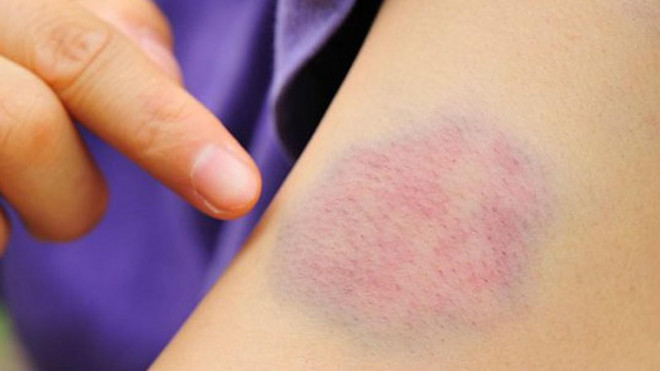
The Bottom Line
Not every bruise is dangerous. But repeated, unexplained, or unusual bruising is never something to brush off. Your skin can reveal what’s happening beneath the surface, often before more serious symptoms appear.
If something feels off, trust that instinct. Early attention can make all the difference.