6 Practical Remedies to Support Clear and Healthy Arteries
Healthy arteries are essential for delivering oxygen and nutrients throughout the body. Over time, however, factors such as poor diet, inactivity, stress, and aging can contribute to the buildup of fatty deposits along artery walls. While no natural method can instantly “clean” arteries, consistent lifestyle habits can help support circulation, reduce inflammation, and protect cardiovascular health.
Below are six evidence-supported remedies that doctors and nutrition experts commonly recommend as part of a heart-healthy routine.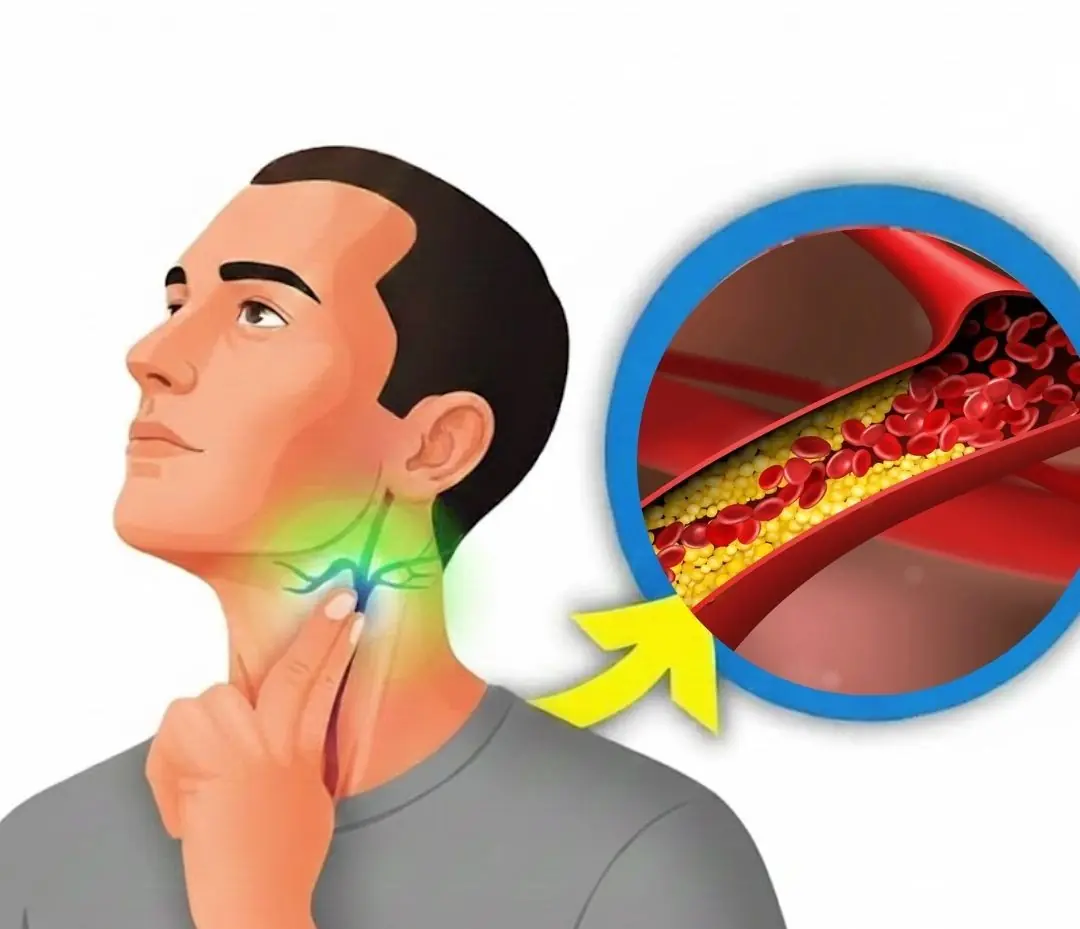
1. Eat More Fiber-Rich Foods
Dietary fiber plays a key role in managing cholesterol levels, which directly affects arterial health.
Why fiber matters:
-
Helps reduce LDL (“bad”) cholesterol
-
Supports healthy digestion and blood sugar control
-
Encourages removal of excess fats from the body
Best sources include:
-
Oats and whole grains
-
Beans and lentils
-
Fruits such as apples and berries
-
Vegetables like broccoli and leafy greens
A fiber-rich diet is consistently associated with lower cardiovascular risk.
2. Choose Healthy Fats, Not Trans Fats
Not all fats are harmful. In fact, healthy fats help protect blood vessels.
Helpful fats include:
-
Olive oil
-
Nuts and seeds
-
Avocados
-
Fatty fish rich in omega-3s
These fats help reduce inflammation and improve cholesterol balance. On the other hand, trans fats and excessive saturated fats may accelerate plaque buildup and should be limited.
3. Stay Physically Active
Regular movement encourages blood flow and helps arteries stay flexible.
Benefits of exercise for arteries:
-
Improves circulation
-
Helps control blood pressure
-
Supports healthy cholesterol levels
Even moderate activities—such as brisk walking, cycling, or swimming for 30 minutes a day—can significantly improve vascular health over time.
4. Manage Stress Consistently
Chronic stress affects more than mental health—it also impacts the heart and blood vessels.
How stress harms arteries:
-
Raises blood pressure
-
Promotes inflammation
-
Encourages unhealthy coping behaviors
Practices such as deep breathing, meditation, adequate sleep, and time outdoors can help regulate stress hormones and support long-term heart health.
5. Stay Well Hydrated
Hydration is often overlooked but plays a critical role in circulation.
Why water matters:
-
Helps maintain blood volume
-
Supports smoother blood flow
-
Reduces strain on the heart
Dehydration can thicken the blood slightly, increasing cardiovascular strain. Drinking water consistently throughout the day supports healthier circulation.
6. Avoid Smoking and Limit Alcohol
Smoking is one of the most damaging habits for arterial health. It injures blood vessel walls, promotes plaque formation, and accelerates aging of the cardiovascular system.
Alcohol considerations:
-
Excessive intake raises blood pressure
-
Contributes to inflammation
-
May worsen cholesterol imbalance
If alcohol is consumed, moderation is essential. Avoiding smoking altogether remains one of the most powerful ways to protect arteries.
What “Clearing Arteries” Really Means
It is important to clarify that arteries cannot be “cleaned” overnight. The body relies on gradual processes supported by healthy habits. Over time, improved diet, movement, and lifestyle choices can help slow plaque progression, stabilize existing buildup, and improve vessel function.
Medical treatment—including medications or procedures—may be necessary for people with advanced cardiovascular disease. Lifestyle strategies are supportive, not a replacement for professional care.
Signs That Should Not Be Ignored
Seek medical advice if you experience:
-
Chest pain or pressure
-
Shortness of breath
-
Frequent dizziness
-
Numbness or weakness
Early evaluation can prevent serious complications.
Final Thoughts
Healthy arteries are built through daily, repeatable choices, not quick fixes. By focusing on fiber-rich nutrition, healthy fats, regular activity, stress management, hydration, and avoiding harmful habits, you give your cardiovascular system the best chance to function well over time.
Small changes practiced consistently can make a powerful difference for heart and artery health—starting today.