Why Should Couples Over 50 Consider Sleeping in Separate Beds? Those Who’ve Experienced It Share 3 Key Benefits
Sleep is the primary way we rest in daily life. Good-quality sleep provides us with more mental energy for the next day.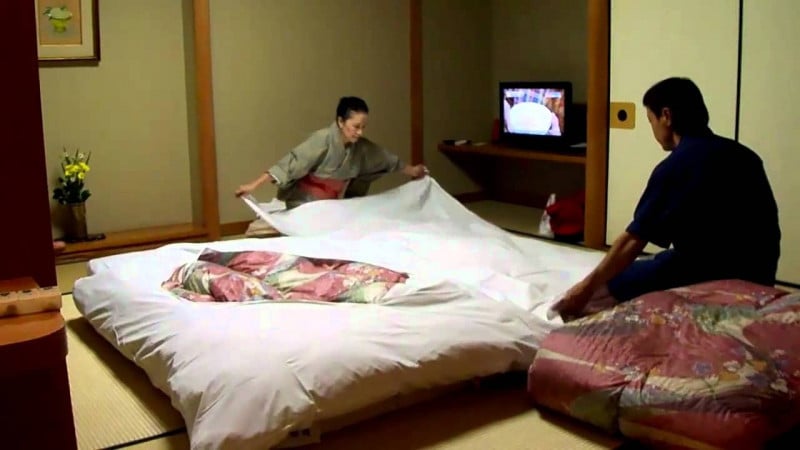
Young couples tend to have deeper emotional bonds and often sleep in the same bed, enjoying each other’s warmth. As they reach middle age, however, more and more couples choose to sleep in separate beds.
1. Improved sleep quality
In the past, many people believed that couples sleeaping in separate beds was a sign of marital breakdown. In reality, as people age, both their physical condition and psychological state change significantly.
Middle-aged couples are already very familiar with each other and no longer experience the intense intimacy typical of younger couples.
As the sense of novelty fades, people tend to shift their focus inward and begin seeking a higher quality of life for themselves. Choosing to sleep in separate beds after age 50 can bring both physical and psychological benefits to both partners.
As people get older, they are more prone to health issues. Some may cough, snore, or grind their teeth at night, all of which can seriously disrupt normal sleep.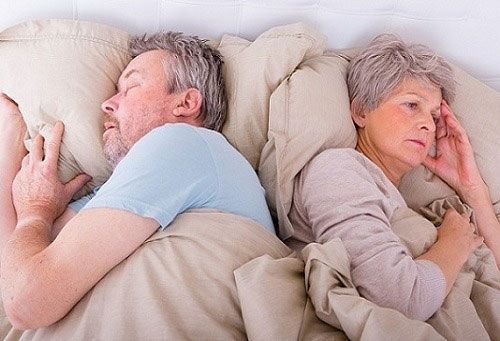
If one partner suffers from nervous exhaustion or chronic insomnia, sleeping together can feel like torture for the other.
Sleep quality plays a decisive role in a person’s mental state. The older people get, the lighter their sleep becomes—sometimes even a small noise can wake them.
Sleeping in separate beds can reduce how often one partner wakes the other and help prevent arguments over trivial daily issues.
Both the person making noise and the one who is easily awakened can enjoy more complete, higher-quality sleep, which naturally leads to better physical health. If family conditions allow, couples over 50 may confidently consider sleeping in separate beds.
2. Reduced risk of disease transmission
If a family member has a chronic infectious disease, sleeping in separate beds can effectively reduce the risk of transmitting illness to others. Diseases such as tuberculosis and hepatitis can spread through the air.
Reducing the amount of time middle-aged and elderly people over 50 spend resting in the same room can better protect the health of both partners.
For elderly individuals who are ill, resting alone can also provide a quieter environment, allowing for better recovery and helping to strengthen their immune system.
Some older adults become more sensitive and irritable due to illness. If two such people live together in the same environment for a long time, serious marital conflicts are more likely to arise.
Allowing couples over 50 to sleep separately can give the ill partner more personal space and greater peace of mind, while also helping protect the health of other family members.
3. Building healthier daily habits
Around the age of 50 is an important stage of life. People at this age have experienced many ups and downs and tend to have a deeper understanding of life’s true value.
They often approach life more calmly and openly. Rather than arguing over trivial matters, they prefer to keep such issues to themselves.
Middle-aged and older adults over 50 often enjoy a quieter, more independent lifestyle.
They understand that time is their most valuable asset and that spending it on things they enjoy—or trying new activities they’ve never attempted before—can bring great psychological comfort.
People with different personalities naturally have different preferences. Some like to turn on a small night light and read quietly before bed, while others prefer listening to music or watching a relaxing TV show. It’s difficult for couples to fully align their habits.
Sleeping in separate beds gives each person the freedom to do what they like, which can effectively improve the quality of life for middle-aged and older couples in their later years.
When someone can fully enjoy an independent living state, these personal interests can provide stronger emotional energy and inner fulfillment.
Potential drawbacks to consider
Of course, sleeping in separate beds can also bring unforeseen disadvantages. After age 50, physical health often declines, and chronic conditions such as high blood pressure and heart disease become more common.
If an elderly person lives alone for long periods, family members may not be able to respond quickly in the event of a sudden health issue or accident.
Long-term separate sleeping arrangements may also indirectly affect marital intimacy, gradually weakening the emotional bond between partners.
With less daily interaction and communication, couples may become increasingly independent, setting their own schedules and priorities, which can further reduce emotional closeness.
Conclusion
In summary, having couples over 50 sleep in separate beds can offer many mental and physical health benefits, but it also comes with certain unavoidable drawbacks.
Each couple should consider their own family situation and choose the lifestyle that suits them best. If the marital relationship is harmonious and current habits work well, continuing to sleep together is perfectly fine.
However, if one partner needs extended rest due to health issues, or if differing sleep habits frequently cause conflict, choosing to sleep in separate beds may help both partners stay calmer and healthier.