Why Do Women Cross Their Legs When Sitting?
Science, Society, and Subtle Signals
At first glance, crossing one’s legs while sitting seems like a small, almost invisible habit. Yet this posture—commonly associated with women—has sparked curiosity, debate, and even stereotypes for decades. Is it about comfort, culture, biology, or social expectations? The answer, as it turns out, is a combination of all four.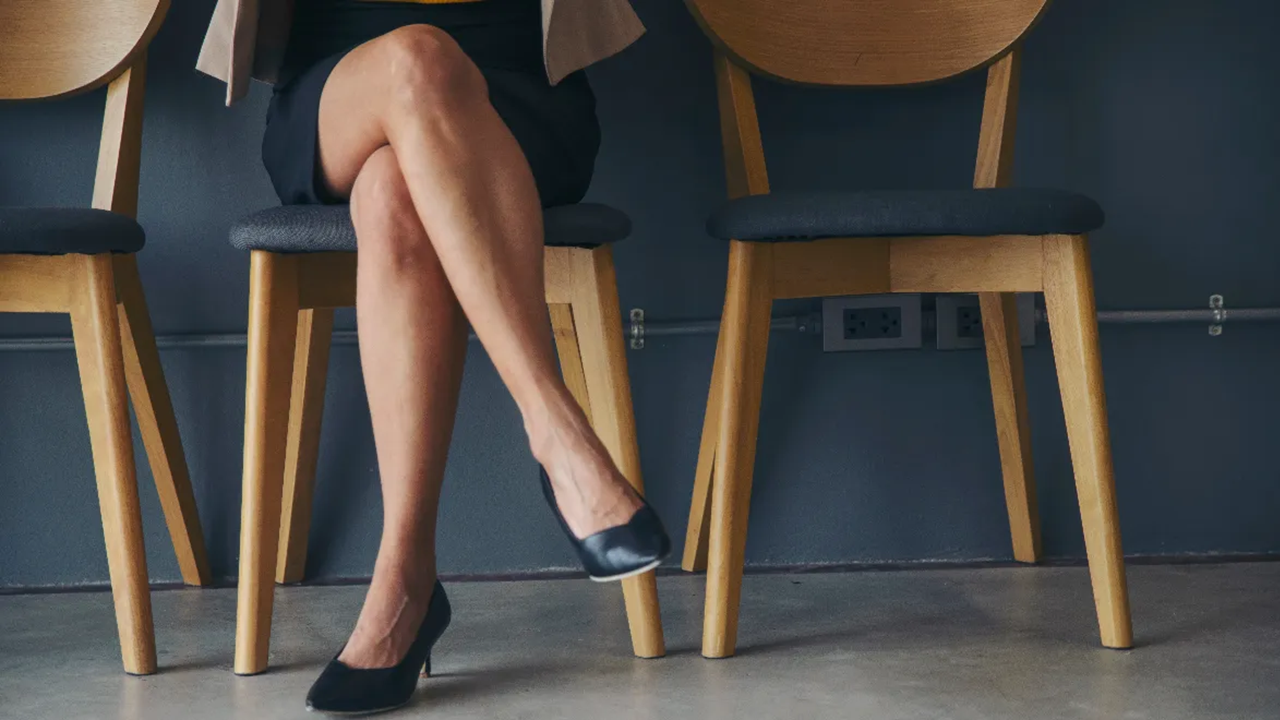
Comfort Comes First
The most straightforward explanation is also the most overlooked: crossing the legs can simply feel comfortable. For many women, this posture helps redistribute body weight, reduce pressure on the lower back, or provide a sense of balance when seated. Chairs are often designed with average male body proportions in mind, which may unintentionally make certain sitting positions less comfortable for women. Crossing the legs can become an easy adjustment to compensate for that mismatch.
In addition, women generally have a wider pelvis than men. This anatomical difference can influence how the hips and thighs rest against a chair, making leg-crossing feel more natural or supportive over long periods of sitting.
Habit Shaped by Social Norms
Beyond physical comfort, social conditioning plays a powerful role. From a young age, girls are often subtly—or directly—taught how to sit “properly.” Phrases like “sit nicely” or “close your legs” are common in many cultures. Over time, crossing the legs becomes an ingrained habit associated with politeness, modesty, and good manners.
These expectations are not universal, but they are widespread. In professional or formal settings, leg-crossing is often perceived as composed and elegant, reinforcing the behavior. Men, by contrast, are generally given more freedom in how they occupy space while sitting, including spreading their legs without social penalty.
A Question of Space and Power
Body language experts point out that how we sit reflects how much space we feel entitled to take up. Crossing the legs reduces the physical space a person occupies, which aligns with traditional expectations placed on women to appear reserved or unobtrusive.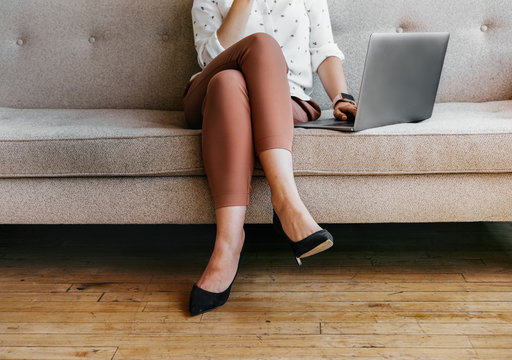
In contrast, expansive postures—leaning back, legs apart—are often subconsciously associated with confidence and authority. When women cross their legs, it may not be a deliberate choice but rather a learned response to social cues about acceptable behavior.
Interestingly, studies show that when women are in positions of power or feel socially secure, they are less likely to default to closed postures. This suggests that leg-crossing is not a fixed trait, but a flexible behavior shaped by context.
Psychological and Emotional Factors
Posture is closely linked to emotional state. Crossing the legs can provide a sense of security, especially in unfamiliar or stressful environments. Similar to crossing one’s arms, it can act as a mild self-soothing gesture, helping the body feel more contained and protected.
At the same time, leg-crossing does not necessarily signal discomfort or defensiveness. In many cases, it simply reflects habit and neutrality rather than any specific emotional message.
Health Myths and Realities
Leg-crossing has long been blamed for health issues ranging from poor circulation to varicose veins. Current medical evidence suggests that occasional leg-crossing is generally harmless for most people. However, maintaining any static posture for too long—crossed legs included—can contribute to stiffness or temporary numbness.
Health professionals recommend changing sitting positions regularly, keeping feet flat on the floor when possible, and ensuring proper back support, regardless of gender.
More Than a “Women’s Habit”
Perhaps the most important point is this: crossing one’s legs is not inherently feminine. Men cross their legs too, though often in different ways, such as resting one ankle on the opposite knee. The difference lies less in biology and more in how society interprets and labels these behaviors.
As conversations around gender norms evolve, so do perceptions of body language. Today, leg-crossing is increasingly understood not as a symbol of gender, but as a personal, situational choice.
The Bottom Line
Women cross their legs when sitting for many reasons—comfort, habit, anatomy, culture, and context all play a role. What appears to be a simple posture is actually the result of layered influences, both physical and social.
In the end, the way someone sits says less about who they are—and more about the world they’ve learned to navigate.