Coconut water has long been praised as a natural, refreshing drink packed with electrolytes, minerals, and hydration benefits. Often marketed as a healthier alternative to sugary beverages and sports drinks, it has become increasingly popular worldwide. However, despite its nutritional value, coconut water is not suitable for everyone.
Health experts caution that certain groups of people may experience unwanted side effects if they drink coconut water too often or in large amounts. Understanding who should be cautious can help people enjoy its benefits safely.
Why Coconut Water Is Considered Healthy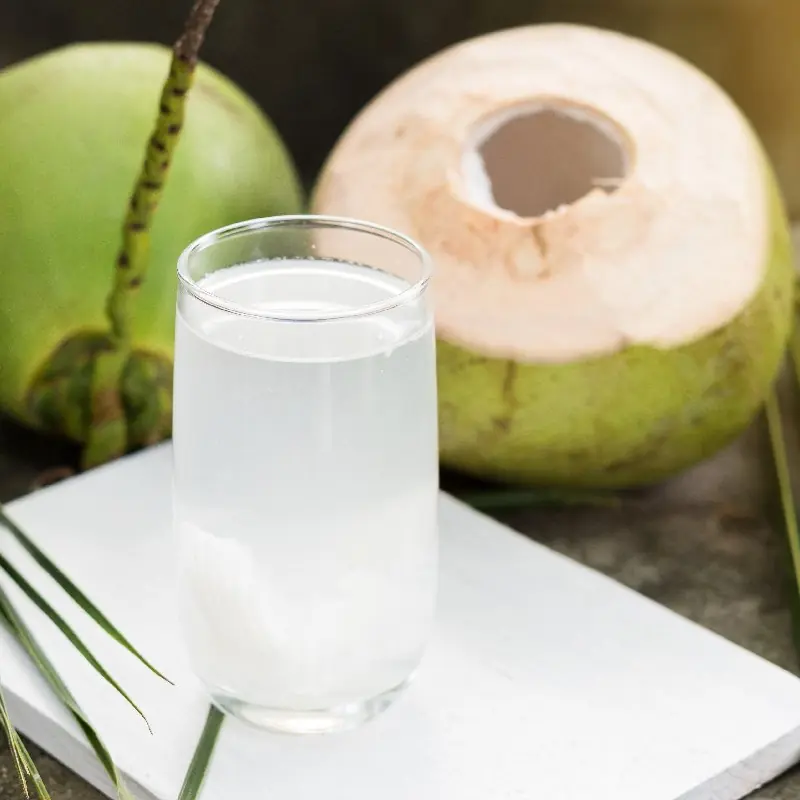
Coconut water is naturally low in calories and contains important electrolytes such as potassium, sodium, magnesium, and calcium. These minerals support hydration, muscle function, and nerve signaling. It also contains small amounts of vitamin C and antioxidants.
Because of its electrolyte profile, coconut water is often recommended after exercise or during hot weather to help replenish fluids. However, its high potassium content is precisely why it may not be suitable for everyone.
1. People With Kidney Disease
Individuals with kidney problems should be especially cautious. Coconut water is very high in potassium, and impaired kidneys may struggle to remove excess potassium from the blood. Elevated potassium levels can disrupt heart rhythm and, in severe cases, become life-threatening.
For people with chronic kidney disease or those on dialysis, even natural sources of potassium like coconut water should be consumed only with medical guidance.
2. People With Low Blood Pressure
Coconut water may help lower blood pressure due to its potassium and vasodilating effects. While this can be beneficial for some, people who already have low blood pressure may experience dizziness, weakness, or fainting if they drink too much.
Those taking blood pressure–lowering medications should also be careful, as coconut water may enhance the effect and cause blood pressure to drop too far.
3. People With Diabetes
Although coconut water is natural, it still contains sugar. Drinking large quantities may cause blood sugar spikes, particularly in people with diabetes or insulin resistance.
Some packaged coconut waters also contain added sugars, making them even less suitable. People with diabetes should monitor portion sizes and choose unsweetened varieties if they consume coconut water at all.
4. People With Digestive Sensitivities
For some individuals, coconut water can cause bloating, stomach discomfort, or diarrhea, especially when consumed on an empty stomach or in large amounts. Its natural sugars and fiber may not be well tolerated by people with sensitive digestive systems.
Anyone who experiences digestive symptoms after drinking coconut water should reduce intake or avoid it altogether.
5. Athletes Drinking It Excessively
While coconut water is often marketed as a sports drink, it is not always ideal during intense or prolonged exercise. Its sodium content is relatively low compared to commercial sports drinks, which are designed to replace salt lost through heavy sweating.
Drinking large amounts of coconut water alone during extreme physical activity may lead to an electrolyte imbalance. Athletes may need additional sodium sources to maintain proper hydration.
6. People Preparing for Surgery
Doctors often advise patients to avoid coconut water before surgery. Its potential effect on blood pressure and electrolyte balance may interfere with anesthesia or recovery.
Most medical professionals recommend stopping coconut water consumption at least one to two weeks before scheduled surgery unless otherwise advised.
Moderation Is the Key
For healthy individuals, coconut water can be a refreshing and nutritious drink when consumed in moderation. Experts generally suggest limiting intake to one small glass per day rather than treating it as plain water.
It is also important to read labels carefully. Fresh coconut water or unsweetened packaged versions are preferable to flavored or sweetened products.
A Healthy Choice—With Awareness
Coconut water offers real health benefits, but it is not a one-size-fits-all beverage. Like many natural foods and drinks, its effects depend on individual health conditions and consumption habits.