Bladder cancer is one of the most common cancers of the urinary system, yet its early symptoms are often ignored or mistaken for minor health issues. Because the bladder plays a direct role in storing and releasing urine, many of its warning signs appear during everyday activities — making them easy to dismiss.
Understanding these early signals is critical. When bladder cancer is detected at an early stage, treatment outcomes are significantly better. Here are five warning signs that deserve attention, even if they seem mild at first.
1. Blood in the Urine (Even If It’s Painless)
The most common early sign of bladder cancer is blood in the urine, also known as hematuria. The urine may appear pink, red, or dark brown, though in some cases the blood is only detectable through laboratory testing.
What makes this symptom particularly dangerous is that it is often painless. Many people assume it is caused by dehydration, a urinary tract infection, or temporary irritation. However, even a single episode of unexplained blood in the urine should never be ignored.
2. Frequent Urination Without Clear Cause
Needing to urinate more often than usual — especially without drinking more fluids — can be an early warning sign. Some individuals feel a constant urge to urinate, even when the bladder is not full.
This symptom is frequently attributed to aging, stress, or lifestyle habits. While these factors can play a role, persistent changes in urinary frequency may indicate irritation or abnormal growth within the bladder.
3. Pain or Burning During Urination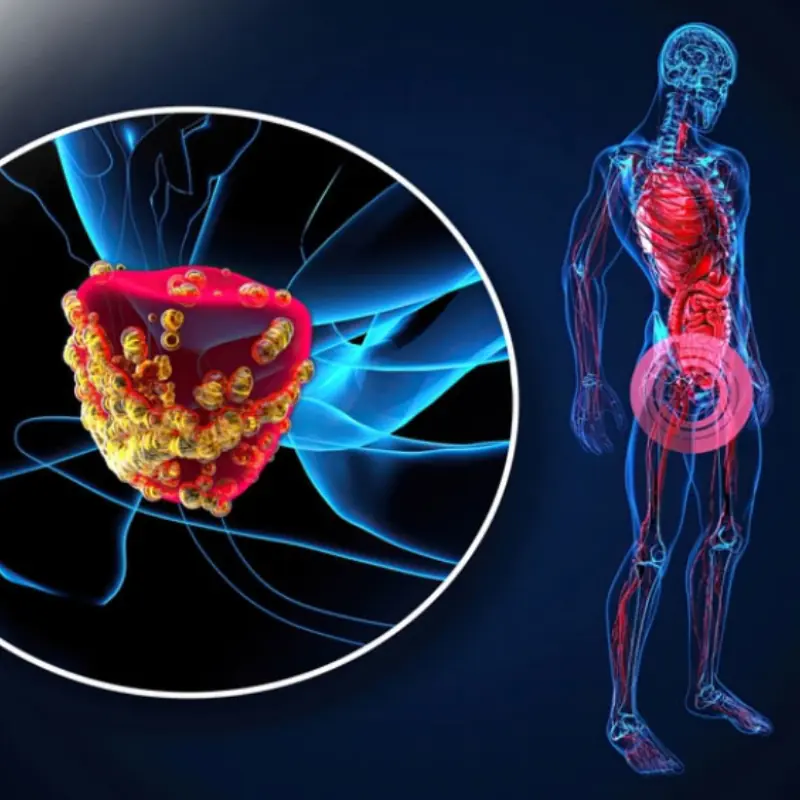
Painful or burning sensations while urinating are commonly associated with infections. However, when these symptoms persist despite treatment or occur without signs of infection, they may signal a more serious underlying issue.
Bladder cancer can irritate the bladder lining, leading to discomfort during urination. Any ongoing pain that does not improve should be evaluated by a healthcare professional.
4. Difficulty Emptying the Bladder
Some people with early bladder cancer experience difficulty starting urination, weak urine flow, or a feeling that the bladder is not fully emptied. These symptoms can result from tumors affecting normal bladder function.
Because similar symptoms are often linked to prostate issues or muscle weakness, they are frequently overlooked. Persistent urinary difficulty, regardless of age or gender, warrants medical attention.
5. Lower Abdominal or Pelvic Discomfort
Mild but ongoing discomfort or pressure in the lower abdomen or pelvic area can be another early sign. This pain may come and go and is often mistaken for digestive problems or muscle strain.
As bladder cancer progresses, tumors can cause inflammation or pressure on surrounding tissues, leading to subtle but noticeable discomfort.
Why These Signs Are Often Ignored
Bladder cancer symptoms overlap with many common urinary conditions, such as infections or kidney stones. As a result, many people delay seeking medical advice, assuming the symptoms will resolve on their own.
Unfortunately, this delay can allow the disease to progress. Awareness is the first step toward early detection.