Loud snoring is one of the signs of obstructive sleep apnea (OSA) — a dangerous sleep disorder that causes people to stop breathing for 10 seconds or more during sleep.
This condition is associated with smaller brain volume, damage to white matter pathways, and even a threefold increase in the risk of death.
According to the American Academy of Sleep Medicine, if left untreated, obstructive sleep apnea can increase the risk of high blood pressure, heart disease, type 2 diabetes, depression, and even premature death.
People who snore loudly while sleeping may not realize they have OSA unless someone else notices and tells them. Therefore, family members and friends should pay attention to those who snore heavily and advise them to see a doctor for diagnosis and treatment.
In addition to loud snoring, OSA has many other symptoms that people may not expect.
Raj Dasgupta, Associate Professor of Clinical Medicine at the Keck School of Medicine, University of Southern California, said: “More than 30 million people in the U.S. have sleep apnea. However, the disease is often undiagnosed or misdiagnosed, especially in women, as women do not snore as loudly as men.”
Associate Professor Dasgupta listed five unusual signs of obstructive sleep apnea:
Night sweats
There are many reasons why people sweat at night. A common cause is high temperatures, especially during prolonged heat waves caused by climate change.
According to the Mayo Clinic, certain medications or diseases such as cancer, thyroid problems, flu, bacterial infections, and menopause symptoms can also cause night sweats.
Research has shown that about 30% of people with OSA experience night sweats.
Explaining this phenomenon, Dasgupta said: “Apnea leads to a lack of oxygen in the body, triggering a ‘fight or flight’ response that causes night sweating.”
Frequent awakenings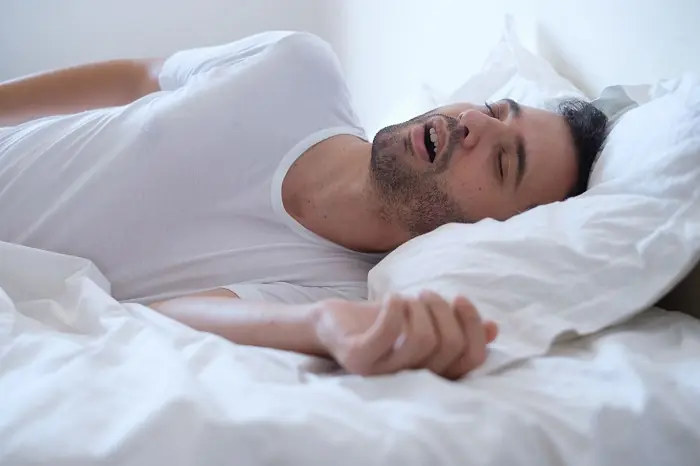
According to the Cleveland Clinic (Ohio, USA), many people wake up in the middle of the night to urinate, which can be due to excessive alcohol consumption, diabetes, edema, high blood pressure, pregnancy, prostate problems, or simply drinking too much water before bed.
However, “waking up at least twice to urinate at night can also be a sign of obstructive sleep apnea,” Dasgupta noted.
Everyone snores occasionally, but if it becomes severe, it may be dangerous and even life-threatening. A study found that about 50% of OSA patients suffer from nocturia and highlighted that treating sleep disorders reduced nighttime awakenings.
Teeth grinding
Teeth grinding during sleep is another possible sign of OSA.
There are many causes of nighttime teeth grinding, but the most common is obstructive sleep apnea.
One theory is that the mouth and jaw muscles move to open up a blocked airway. “This hasn’t been proven, but it’s a noteworthy hypothesis,” said Dasgupta.
Most people who grind their teeth use dentist-recommended mouthguards, but these do not prevent jaw and joint damage. This can lead to TMJ disorders, causing pain in the temporomandibular joint and other complications.
Morning headaches
Researchers have found a link between OSA and headaches upon waking in the morning.
“These OSA-related headaches occur daily and can last for several hours after waking,” Dasgupta said. The exact cause is unclear and may involve multiple factors.
According to a June 2015 study, unlike typical headaches, OSA-related headaches do not cause nausea or sensitivity to light and sound, but rather create a feeling of pressure on both sides of the forehead lasting about 30 minutes.
Depression, fatigue, and insomnia
Some symptoms of OSA may be “disguised” as mental health issues, brain fog syndrome, or other sleep disorders.
“Sleep affects a person’s ability to think, react, remember, and solve problems,” Dasgupta noted.
Women tend to underreport symptoms such as insomnia, fatigue, and depression, possibly due to lack of awareness about their seriousness, social pressures, or discomfort in discussing mental health issues.
If awakened in the middle of the night due to OSA, it can be very difficult to fall back asleep, leading sufferers to mistakenly think they have insomnia, without realizing OSA is disrupting their sleep.
Dasgupta explained that daytime fatigue symptoms — such as lack of motivation, reduced work productivity, memory decline, and social withdrawal — are signs of depression. These symptoms are often overlooked if people lack sufficient knowledge or do not discuss them with a doctor for proper diagnosis.