
How to store rice to prevent weevils and mold
Storing rice properly will prevent it from being attacked by pests like moths, extend its shelf life, and keep its aroma intact when cooking.
So, what is the food that’s both deadly and widely consumed around the globe?
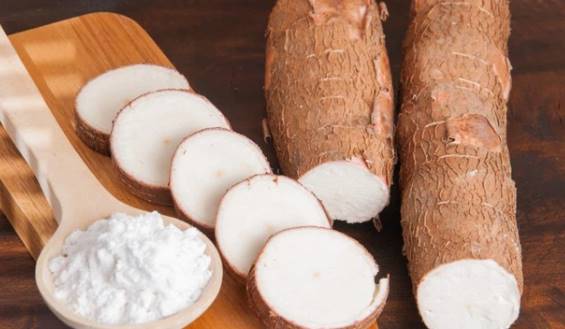
Cassava, a plant and a staple food for many, plays an important role in the diets of millions of people worldwide. Each year, it is consumed by over 500 million people, and hundreds of millions of tons of cassava are grown around the world.

Originating in South America, cassava is both a plant and a well-known food, but it also comes with significant risks. The plant’s stems, peel, and leaves are toxic and can produce hydrogen cyanide, making it potentially fatal if consumed improperly.
The World Health Organization (WHO) reports that around 200 people die annually from eating improperly prepared cassava. This is why it has earned the grim title of the “world’s deadliest food.”
The WHO explains: “Cassava tubers contain varying amounts of cyanogenic glucosides that serve as a defense against animals and insects. When these glucosides are not processed correctly, cassava can release cyanide, leading to high dietary cyanide exposure.”
Such dangerous exposure is especially prevalent during times of famine and war. Cyanide poisoning from cassava is linked to several severe diseases, including konzo.
Konzo is a debilitating, irreversible condition marked by sudden paralysis in the legs, which is often a result of consuming bitter cassava, particularly when combined with a low-protein diet. This condition is most commonly found in regions suffering from extreme poverty, where it can occur sporadically or in epidemics.
Despite its deadly reputation, millions of people continue to eat cassava every day without issue. This raises the important question: how can you make sure that cassava is safe to eat?
The key lies in proper preparation. Ensuring cassava is safe involves a lengthy process, including soaking the plant for up to 24 hours to remove harmful toxins.

In Venezuela, for example, people were consuming cassava in its dangerous form because they relied on salty foods to survive during times of food scarcity, as reported by El País.
While cassava remains a critical food source for many, understanding and practicing safe preparation methods can make it a nourishing and safe part of the diet. As awareness spreads about the risks associated with cassava, the methods for properly processing it are becoming more widely practiced, reducing the dangers of poisoning.

Storing rice properly will prevent it from being attacked by pests like moths, extend its shelf life, and keep its aroma intact when cooking.

3 Intimate Habits of Husbands That May Increase Wives’ Risk of Cervical Can.cer: Stop Before It’s Too Late

If you’ve been tossing and turning at night, struggling with insomnia, restlessness, or waking up at 3 a.m.

We often assume that sleep only “belongs” to the night.

8 Warning Signs of Kidney Failure You Should Never Ignore

During the height of the COVID-19 pandemic, one photograph captured worldwide attention:

Leftover food stored in the fridge and eaten the next day is a common habit in many Vietnamese households.

Prostate cancer is one of the most commonly diagnosed cancers among men worldwide, yet one potential risk factor remains largely overlooked—not because it is rare, but because it is ordinary.

What sleeping on the left side does for our brain, stomach and lymphatic health

Why the Sound of Running Water Suddenly Makes You Need to Pee

Snoring and 5 Unusual Signs of Obstructive Sleep Apnea

Small warning signs may reveal bladder cancer earlier than you think.

Small changes in your body may quietly signal early thyroid cancer.

Coconut water is healthy—but not everyone should drink it freely.

Doctors explain the powerful effects walnuts can have on your body

Why carrying a lemon can be surprisingly useful in everyday situations?

Unexplained Bruises: What Doctors Say They Could Indicate

3 early morning symptoms linked to can.cer that often go unnoticed

If You Eat Sweet Potatoes, Don’t Ignore This Important Information

When scholars study the great copper-producing powers of the Mediterranean Bronze Age, they often focus on Cyprus and the Levant.

On the summit of Papoura Mountain in central Crete, archaeologists are investigating a highly unusual circular structure.

If your schedule allows, morning is the golden hour for laundry—especially on sunny days.

Storing rice properly will prevent it from being attacked by pests like moths, extend its shelf life, and keep its aroma intact when cooking.

Not the Air Conditioner

3 Intimate Habits of Husbands That May Increase Wives’ Risk of Cervical Can.cer: Stop Before It’s Too Late

If you’ve been tossing and turning at night, struggling with insomnia, restlessness, or waking up at 3 a.m.

We often assume that sleep only “belongs” to the night.

8 Warning Signs of Kidney Failure You Should Never Ignore

During the height of the COVID-19 pandemic, one photograph captured worldwide attention:

Leftover food stored in the fridge and eaten the next day is a common habit in many Vietnamese households.

Prostate cancer is one of the most commonly diagnosed cancers among men worldwide, yet one potential risk factor remains largely overlooked—not because it is rare, but because it is ordinary.

What sleeping on the left side does for our brain, stomach and lymphatic health

Why the Sound of Running Water Suddenly Makes You Need to Pee

Snoring and 5 Unusual Signs of Obstructive Sleep Apnea

By observing the four characteristics below, you can fairly accurately judge whether the people around you belong to the group of hypocrites.

Sleeping apart may seem harmless—but long-term effects can surprise couples.

Small warning signs may reveal bladder cancer earlier than you think.

Small changes in your body may quietly signal early thyroid cancer.