
What Is the Tiny Hole at the Bottom of a Padlock Really For? The Hidden Feature Most People Never Notice
The secret function of your padlock that most people never notice.
Facts 01/07/2026 01:48
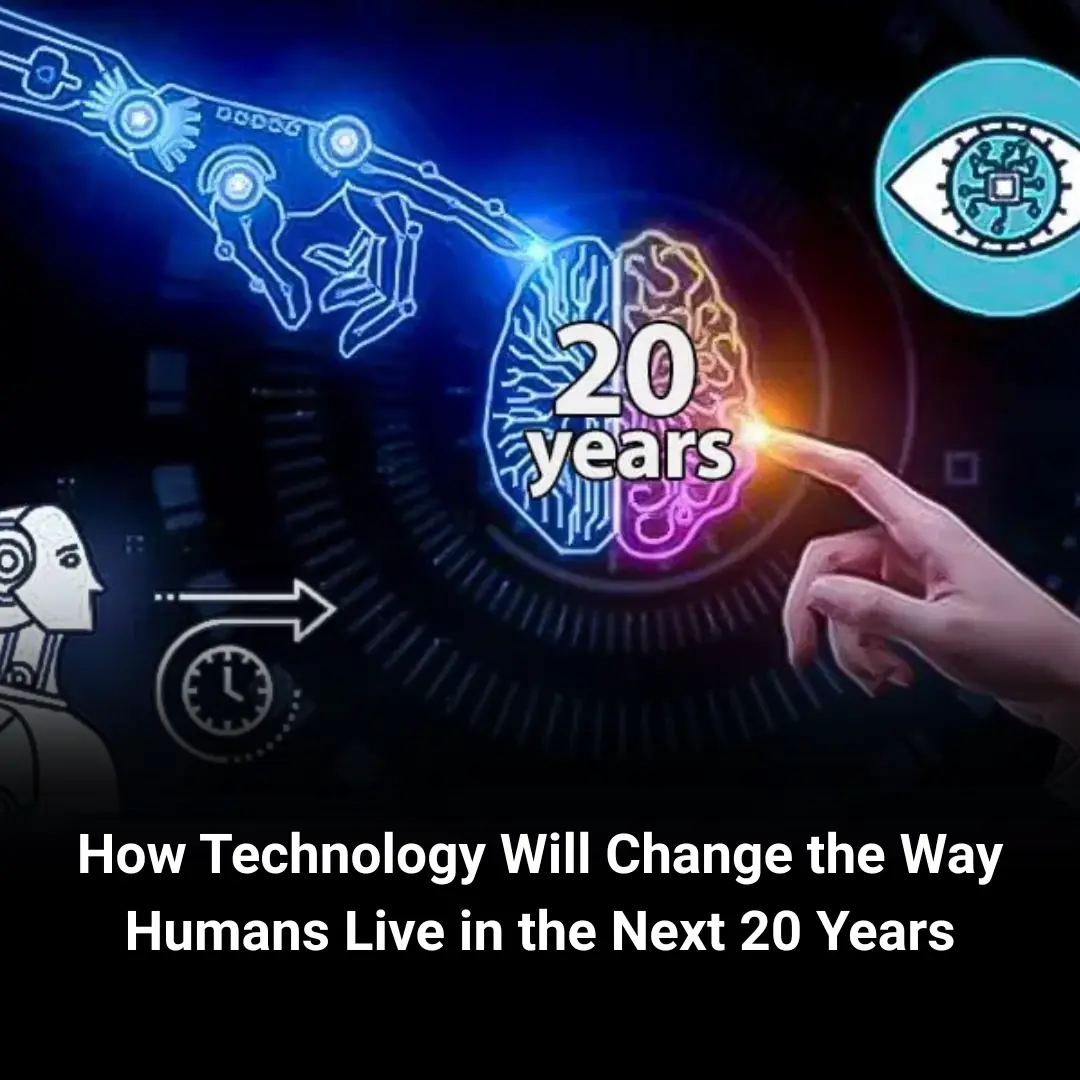
How Technology Will Change the Way Humans Live in the Next 20 Years
Technology continues advancing faster than ever, and over the next two decades it’s expected to profoundly reshape nearly every part of our lives — from how we work and communicate to how we learn, stay healthy, and even how society is organized. Below is a comprehensive look at the major ways technology will transform human life by around 2045.
Artificial intelligence (AI) is at the heart of technological transformation. Experts predict that AI systems will continue advancing rapidly, potentially exceeding human cognitive abilities in many areas within the next 20 years. These systems will automate tasks across industries — from healthcare diagnostics to transportation, customer service, and beyond — fundamentally changing labor markets and productivity.
AI’s impact isn’t limited to automation. Thought leaders in tech emphasize that mastering AI tools will be critical for competitiveness in all fields — those who leverage AI effectively could outpace those who don’t, especially in employment and business innovation.
Transportation technology will become more intelligent and sustainable. Electric vehicles (EVs) will continue to proliferate, supported by improved battery technology and expanded charging infrastructure. Autonomous or self-driving vehicles are also expected to become more common, potentially transforming commuting, logistics, and even car ownership itself.
Connected digital systems and AI-powered safety features will make travel safer and more efficient — reducing accidents and optimizing traffic flows in urban environments.
Medicine will undergo dramatic improvements through technology. Genetic sequencing, predictive diagnostics, and personalized treatments will become far more precise, enabling earlier detection and prevention of diseases before symptoms emerge. Robots and AI-powered tools will assist doctors, while remote monitoring and telehealth services will make healthcare more accessible everywhere.
Some experts even predict advances in longevity research and interventions that could significantly extend human lifespans — possibly allowing people to live much longer, healthier lives than today’s norms.
The ways we interact with information and each other will continue evolving. Virtual reality (VR) and augmented reality (AR) technologies are expected to move beyond gaming and social apps into daily work, education, entertainment, and collaboration. People may attend fully virtual classrooms, conduct business meetings in immersive environments, or experience cultural events without leaving home.
Meanwhile, brain-computer interfaces and wearable technologies could redefine human interactions with machines, potentially enabling control of devices through thought, support for people with disabilities, and even enhancing cognitive capabilities.
The next 20 years will likely see major strides in clean energy and sustainability. Renewable sources like solar and wind will expand, supported by smarter power grids that efficiently balance supply and demand. Energy storage technologies, including advanced batteries, will help communities rely less on fossil fuels.
Smart cities — with connected infrastructure, efficient transportation, and AI-driven environmental monitoring — could improve quality of life while reducing pollution and resource consumption.

New technologies will reshape the world of work. Many routine and physical tasks may become automated, prompting shifts in employment, job training, and economic structures. Lifelong learning and adaptability will become essential as people transition between roles that require more creativity, emotional intelligence, and technological fluency.
These changes raise important social questions — such as whether new forms of social support (like universal basic income or retraining programs) will be needed to ensure equitable access to benefits from automation.
Beyond practical applications, technology is likely to change how we define ourselves and relate to others. With AI embedded in everyday life, digital identities, personalized content, and enhanced virtual communication could become the norm. Creative and imaginative work may grow in value as humans collaborate with machines in new ways.
Connectivity will expand, making global collaboration easier while also prompting discussions about privacy, digital rights, and the ethical uses of powerful technologies.

Technology will not just reshape tools — it will reshape society. Over the next 20 years we may go from seeing technology as something we use, to something deeply integrated with how we live, work, learn, and even think. While many changes hold tremendous promise — from longer lives to smarter cities — they also come with challenges related to inequality, governance, and ethical use.
Ultimately, preparing for this future will require both innovation and thoughtful policy, ensuring that technological advances benefit all of humanity and support a more equitable and sustainable world.
The secret function of your padlock that most people never notice.

At First We Thought It Was Trash... Then We Realized What It Really Was

The Laundry Mistake That May Be Ruining Your Wardrobe

In many gardens, backyards, and even sidewalk cracks, a small green plant grows quietly and is often mistaken for a weed.

The Surprising Safety Reason Cabin Crew Sit With Their Hands Under Their Legs


Most people don’t notice kidney failure until it’s too late — remember this to prevent it Kidney Failure Is Silent — Remember to Do These Things to Prevent It

The Sleep Position Quiz Everyone Is Talking About.


Could Sleeping on the Floor Actually Be More Comfortable?

They may mean more than you think.

This tiny design detail has a surprisingly useful purpose


Their sleeping position may tell a different story.

Most Stomach Cancers Are Detected Late: 5 Symptoms After Meals You Should Never Ignore


However, the timing of your bath - especially hot baths or showers


😮 The Science Behind Needing to Poop Right After Eating 👇

Is Eating One Avocado a Day Good for You?

Experts reveal 3 boiling habits you should stop today.
The secret function of your padlock that most people never notice.

Your dog's unusual greeting may reveal more than you ever expected.

Double-yolk eggs are rare—but are they healthier than ordinary eggs?

New studies explore how a common spice may support healthy cell research.

The Earlier You Notice These 11 Kidney Warning Signs, the Better 👇

You Probably Eat Cucumbers in Salads—But Do You Know What They May Do for Your Body? 👇

A simple hotel-room trick that may improve hygiene and peace of mind.

Doctors Say Most People Use This Incorrectly—Here's What You Should Know 👇

This tiny piece of jewelry has over 4,000 years of history.

4 Changes in Your Skin That May Signal Liver Problems
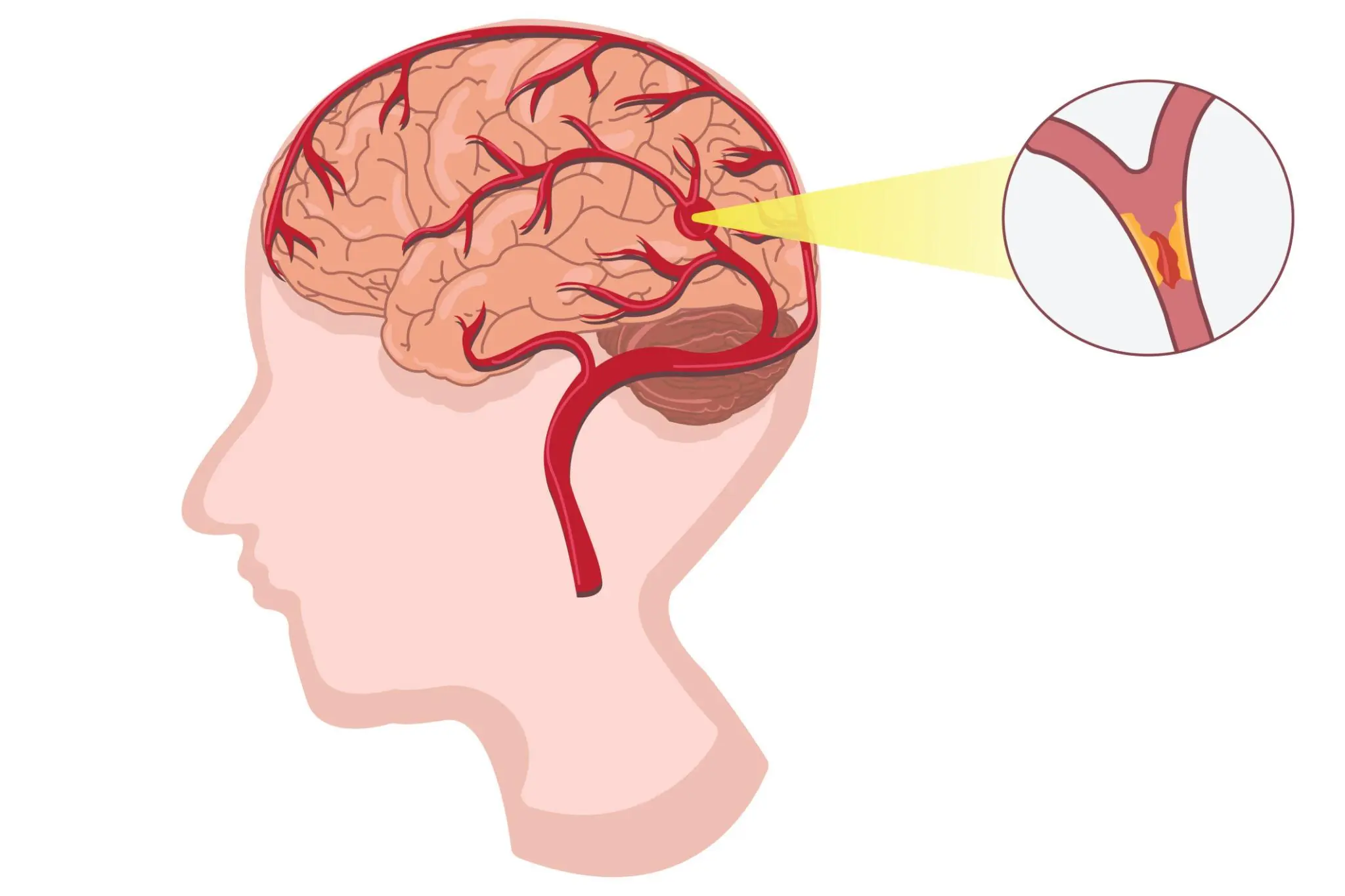
Every minute counts. Learn the signs before it's an emergency.

If You Have Arthritis, These 7 Symptoms May Be Your Body's Warning Signs ⚠️

Don't dismiss morning heel pain as "normal." It could be your body's first warning sign… 👣 See more

Bitter-tasting vegetables may signal natural toxins—learn how to stay safe.

Can eating eggs daily affect your health? Here's what experts say.

Sleep Interrupted at 3 or 4 A.M.? Here Are Some Possible Explanations
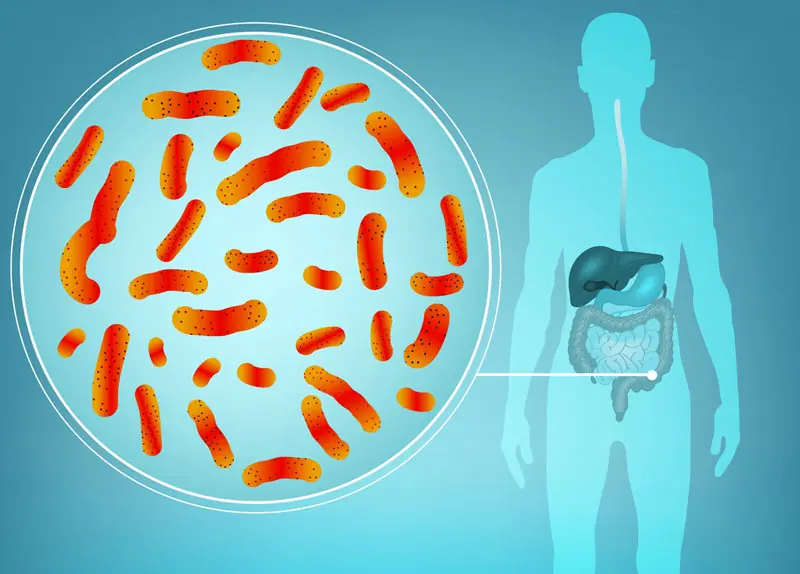
10 Digestive and General Health Symptoms That May Warrant Testing for Parasites
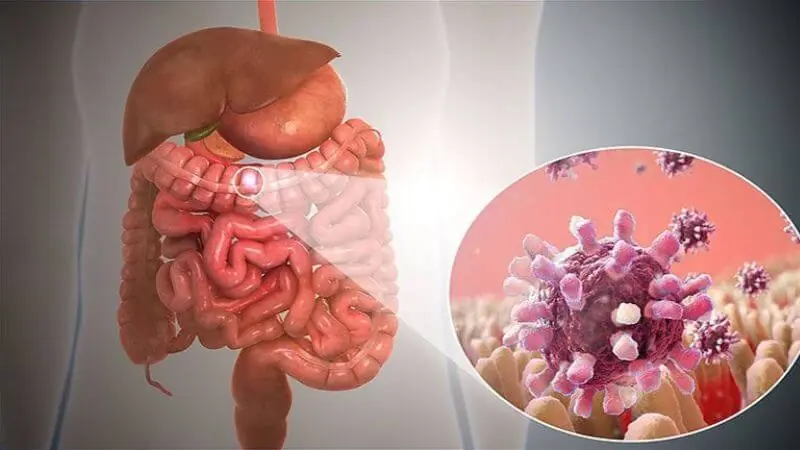
6 Symptoms That Could Suggest an Underlying Digestive Disorder