Digestive problems are among the most common health concerns people experience. Nearly everyone has occasional stomach discomfort, constipation, diarrhea, or bloating at some point in life. In most cases, these symptoms are temporary and related to diet, stress, infections, or minor digestive disturbances.
However, persistent or unusual bowel symptoms should never be ignored. Although they are often caused by non-serious conditions such as irritable bowel syndrome (IBS), food intolerances, or viral infections, they may also signal inflammatory bowel disease (IBD), celiac disease, colorectal cancer, or other gastrointestinal disorders that benefit from early diagnosis and treatment.
The key is not to panic but to recognize when symptoms last longer than expected, worsen over time, or occur alongside other warning signs.
Here are 6 bowel symptoms that deserve medical attention if they persist.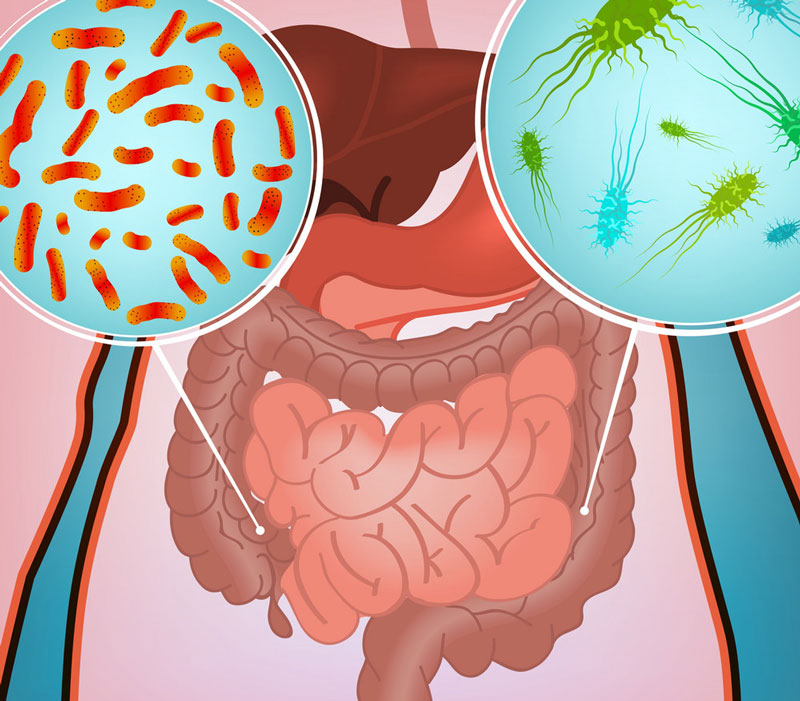
Why Digestive Symptoms Matter
Your digestive system is responsible for:
-
Breaking down food
-
Absorbing nutrients
-
Supporting immune function
-
Eliminating waste
-
Maintaining fluid balance
Because it performs so many essential functions, persistent digestive changes can sometimes provide valuable clues about your overall health.
1. Persistent Changes in Bowel Habits
Everyone's bowel routine is slightly different.
However, a noticeable change that lasts more than two to four weeks deserves evaluation.
Examples include:
-
Frequent diarrhea
-
Ongoing constipation
-
Alternating diarrhea and constipation
-
Needing to use the bathroom much more or less often than usual
Possible causes include:
-
Dietary changes
-
Stress
-
Irritable bowel syndrome
-
Infections
-
Medication side effects
-
Inflammatory bowel disease
-
Colorectal conditions
Persistent changes should be discussed with a healthcare professional.
2. Blood in the Stool
Blood in the stool should never be ignored.
It may appear as:
-
Bright red blood
-
Dark red blood
-
Black, tar-like stools
Common causes include:
-
Hemorrhoids
-
Anal fissures
-
Diverticular disease
-
Infections
Less commonly, it may be associated with:
-
Inflammatory bowel disease
-
Colon polyps
-
Colorectal cancer
Because the cause cannot be determined by appearance alone, medical evaluation is important.
3. Ongoing Abdominal Pain
Occasional stomach pain after eating or during a stomach virus is common.
However, pain that:
-
Lasts for several weeks
-
Worsens over time
-
Frequently returns
-
Interferes with daily activities
should be evaluated.
Possible causes include:
-
Gallstones
-
Peptic ulcers
-
Irritable bowel syndrome
-
Crohn's disease
-
Ulcerative colitis
-
Appendiceal disorders
-
Diverticulitis
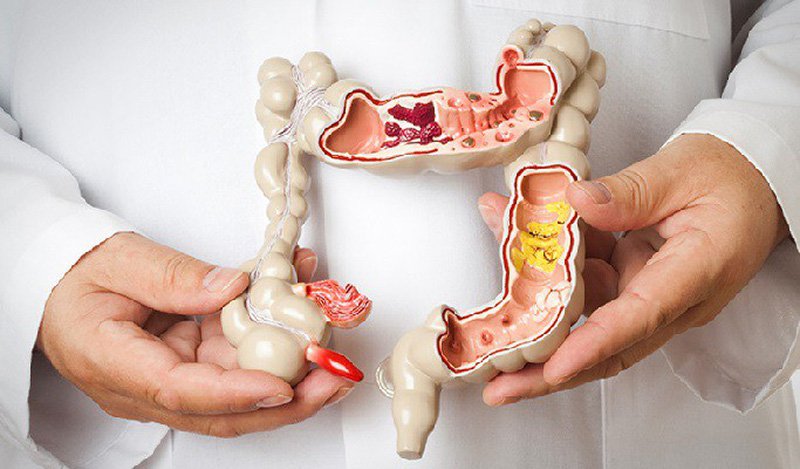
Doctors consider the location, duration, and nature of the pain when determining possible causes.
4. Unexplained Weight Loss
Losing weight without changing your diet or exercise routine should always be taken seriously.
Possible causes include:
-
Thyroid disorders
-
Diabetes
-
Chronic infections
-
Digestive disorders
-
Malabsorption syndromes
-
Certain cancers
Weight loss combined with digestive symptoms deserves prompt medical assessment.
5. Persistent Bloating or Feeling Full Quickly
Temporary bloating after a large meal is normal.
However, ongoing bloating that occurs almost daily or a persistent feeling of fullness after eating only small amounts may require evaluation.
Possible causes include:
-
Food intolerances
-
Constipation
-
Irritable bowel syndrome
-
Celiac disease
-
Ovarian disorders (in women)
-
Other gastrointestinal conditions
Persistent bloating should not simply be dismissed as "normal."
6. Fatigue Accompanied by Digestive Symptoms
Digestive diseases sometimes affect nutrient absorption.
Over time, this may contribute to:
-
Iron-deficiency anemia
-
Vitamin deficiencies
-
Chronic fatigue
Fatigue together with:
-
Ongoing diarrhea
-
Blood in the stool
-
Weight loss
-
Persistent abdominal pain
should always be discussed with a healthcare provider.
Common Conditions That May Cause These Symptoms
Many digestive symptoms are caused by conditions that are not life-threatening.
Examples include:
Irritable Bowel Syndrome (IBS)
IBS commonly causes:
-
Bloating
-
Constipation
-
Diarrhea
-
Cramping
Unlike inflammatory bowel disease, IBS does not cause ongoing inflammation or damage to the intestines.
Gastroenteritis
Often called the "stomach flu," gastroenteritis usually results from viral or bacterial infections.
Symptoms often include:
-
Diarrhea
-
Vomiting
-
Fever
-
Abdominal cramps
Most cases improve within several days.
Food Intolerances
Certain foods may trigger digestive symptoms.
Examples include:
-
Lactose intolerance
-
Gluten-related disorders
-
Fructose intolerance
Identifying triggers may help reduce symptoms.
Inflammatory Bowel Disease (IBD)
IBD includes:
-
Crohn's disease
-
Ulcerative colitis
Possible symptoms include:
-
Chronic diarrhea
-
Blood in the stool
-
Weight loss
-
Fatigue
-
Abdominal pain
Unlike IBS, IBD involves chronic inflammation that requires medical treatment.
Colorectal Cancer
Colorectal cancer may cause:
-
Persistent bowel changes
-
Blood in the stool
-
Unexplained weight loss
-
Fatigue
-
Abdominal discomfort
Many people have no symptoms during the earliest stages, which is why routine screening is so important.
When Should You See a Doctor?
Schedule a medical appointment if bowel symptoms:
-
Last longer than two to four weeks.
-
Continue to worsen.
-
Recur frequently.
-
Wake you during the night.
-
Interfere with normal daily activities.
You should also seek evaluation if symptoms occur together with:
-
Blood in the stool
-
Fever
-
Persistent vomiting
-
Unexplained weight loss
-
Severe fatigue
-
A family history of colorectal cancer or inflammatory bowel disease
When Is It an Emergency?
Seek immediate medical care if you experience:
-
Severe abdominal pain.
-
Large amounts of blood in the stool.
-
Black, tarry stools accompanied by dizziness.
-
Persistent vomiting with inability to keep fluids down.
-
Signs of dehydration.
-
Fainting.
These symptoms may indicate a medical emergency.
Healthy Habits That Support Digestive Health
Although not all digestive diseases can be prevented, healthy habits support normal bowel function.
Eat More Fiber
Fiber supports:
-
Regular bowel movements
-
Healthy gut bacteria
-
Digestive comfort
Sources include:
-
Fruits
-
Vegetables
-
Whole grains
-
Beans
-
Lentils
Drink Plenty of Water
Adequate hydration helps keep stools soft and supports healthy digestion.
Stay Physically Active
Regular exercise encourages normal bowel movement and supports overall digestive health.
Avoid Smoking
Smoking increases the risk of several digestive diseases, including Crohn's disease and colorectal cancer.
Participate in Recommended Screening
Depending on your age, family history, and personal risk factors, your healthcare provider may recommend colorectal cancer screening.
Early detection saves lives.
Common Myths About Digestive Symptoms
Myth 1: Blood in the Stool Is Always Caused by Hemorrhoids
False.
While hemorrhoids are common, blood in the stool should always be evaluated because other conditions can produce the same symptom.
Myth 2: Constipation Is Always Caused by Poor Diet
Although diet often plays a role, constipation may also result from medications, neurological disorders, hormonal conditions, or bowel diseases.
Myth 3: If the Pain Comes and Goes, It's Nothing Serious
Some chronic digestive disorders produce symptoms that fluctuate over time.
Persistent or recurring symptoms still deserve medical attention.
Protecting Your Digestive Health
Simple habits can make a meaningful difference:
-
Eat a balanced diet rich in fruits, vegetables, and whole grains.
-
Limit highly processed foods.
-
Exercise regularly.
-
Stay hydrated.
-
Avoid smoking.
-
Limit excessive alcohol consumption.
-
Manage stress through healthy coping strategies.
-
Don't ignore persistent digestive symptoms.
Listening to your body is one of the most important steps in maintaining long-term health.
Final Thoughts
Digestive symptoms are extremely common, and most episodes of constipation, diarrhea, bloating, or abdominal discomfort are caused by temporary or non-serious conditions. However, persistent changes in bowel habits, blood in the stool, ongoing abdominal pain, unexplained weight loss, chronic bloating, and fatigue associated with digestive symptoms should never be ignored.
These symptoms do not automatically mean a serious illness, but they may indicate an underlying condition that deserves medical evaluation. Seeking advice early allows healthcare professionals to identify the cause, begin appropriate treatment if needed, and rule out more serious conditions.
Paying attention to persistent changes in your digestive health is one of the simplest ways to protect your long-term well-being.