10 Possible Signs of a Parasitic Infection and 7 Foods That May Support Digestive Health
10 Digestive and General Health Symptoms That May Warrant Testing for Parasites
Health 30/06/2026 17:09
Vegetables are among the healthiest foods you can eat. They provide essential vitamins, minerals, fiber, and antioxidants that help protect against heart disease, diabetes, and many other chronic conditions. Health experts around the world consistently recommend eating a wide variety of vegetables every day.
However, you may have heard concerns about heavy metals in certain vegetables. While this topic can sound alarming, it's important to understand the facts. Heavy metals can sometimes be present in vegetables because they are naturally found in soil, water, and the environment—not because the vegetables themselves are harmful.
Some vegetables are more likely than others to absorb certain heavy metals from contaminated soil or irrigation water. Fortunately, in most countries, food safety regulations help monitor these contaminants, and the health benefits of eating vegetables greatly outweigh the risks for most people.
Let's take a closer look at how heavy metals enter vegetables, which vegetables may accumulate more under certain conditions, and how you can reduce your exposure.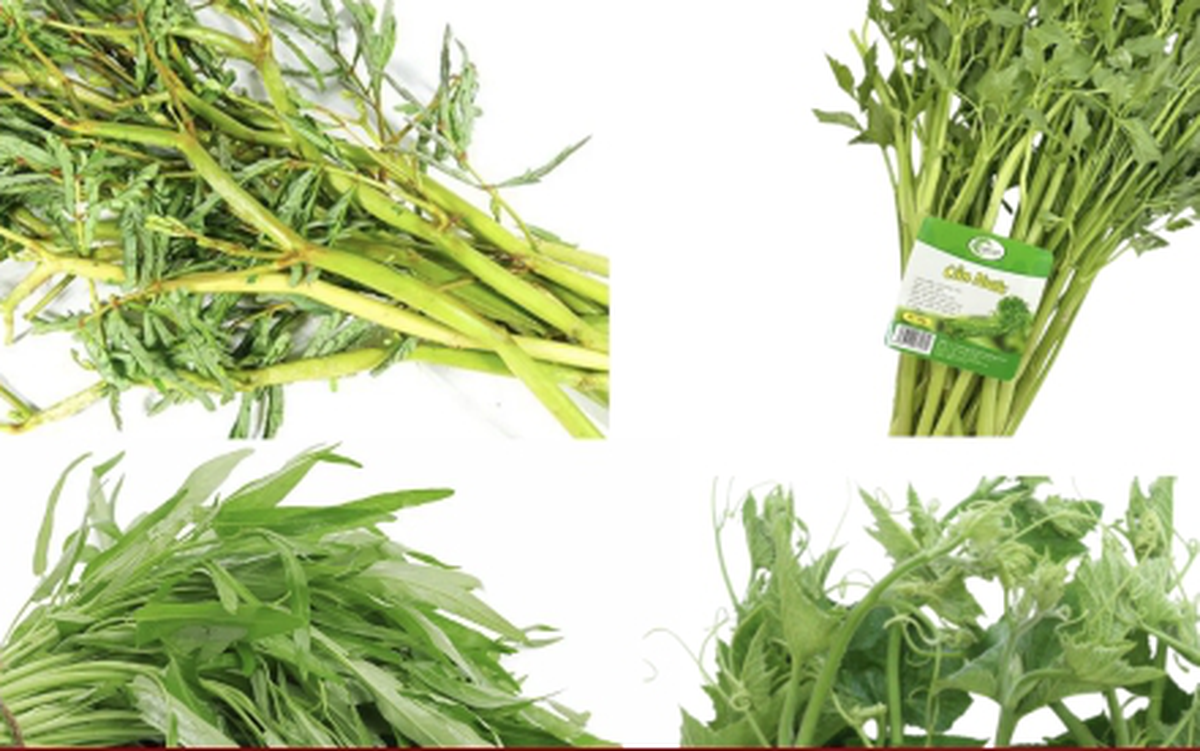
Heavy metals are naturally occurring elements found in the Earth's crust.
Some are essential in tiny amounts, while others may become harmful if consumed in excessive quantities over long periods.
Examples include:
Lead
Cadmium
Arsenic
Mercury
These elements can enter agricultural soil through:
Natural geological deposits
Industrial pollution
Mining activities
Contaminated irrigation water
Certain fertilizers
Historical use of pesticides
Most vegetables grown under safe agricultural practices contain heavy metal levels well below regulatory limits.
Different plants absorb minerals differently.
Factors that influence heavy metal uptake include:
Plant species
Root structure
Soil type
Soil acidity (pH)
Water quality
Farming practices
Environmental pollution
Some vegetables naturally absorb more minerals from the soil than others.
This does not automatically make them unsafe.
Leafy greens are among the most nutritious vegetables available.
Examples include:
Spinach
Lettuce
Kale
Swiss chard
Mustard greens
Because of their large leaf surface and active nutrient uptake, leafy vegetables may accumulate certain contaminants if grown in polluted environments.
At the same time, they remain excellent sources of:
Vitamin A
Vitamin C
Vitamin K
Folate
Fiber
Antioxidants
The solution is not to avoid leafy greens but to obtain them from reliable sources and wash them thoroughly.
Since root vegetables grow directly in the soil, they have greater contact with substances present in the ground.
Examples include:
Carrots
Beets
Radishes
Turnips
Sweet potatoes
If soil contains elevated heavy metal levels, these vegetables may absorb more through their roots.
Peeling and washing root vegetables can help remove soil particles that may cling to the surface.
Certain vegetables grown in flooded conditions or contaminated water may absorb higher levels of some heavy metals, particularly arsenic, depending on local environmental conditions.
Examples may include:
Water spinach
Watercress
Lotus root
Again, the risk depends primarily on where and how the vegetables are grown—not on the vegetable itself.
Although technically fungi rather than vegetables, mushrooms deserve mention because some species are efficient at absorbing minerals from their environment.
Wild mushrooms collected near:
Busy roads
Industrial sites
Mining areas
may contain higher levels of heavy metals.
Cultivated mushrooms from reputable producers are generally considered safe.
Not necessarily.
Heavy metals occur naturally in soil.
Both organic and conventionally grown vegetables can absorb them if they are present in the growing environment.
Organic farming reduces exposure to many synthetic pesticides, but it does not eliminate naturally occurring heavy metals.
Many countries routinely monitor food for contaminants.
Government agencies establish maximum allowable limits for heavy metals in foods.
Commercial farmers are encouraged or required to:
Test soil quality.
Use clean irrigation water.
Follow good agricultural practices.
Avoid contaminated land.
These measures help keep food supplies safe.
Fortunately, simple habits can reduce your exposure even further.
Rinse vegetables under clean running water.
This helps remove:
Dirt
Dust
Surface contaminants
Soil particles
Avoid washing produce with soap or household cleaners.
Peeling carrots, beets, and similar vegetables may reduce contaminants present on the outer surface.
However, remember that many nutrients are also concentrated near the skin.
Rather than eating large amounts of one vegetable every day, choose a wide variety.
Dietary diversity reduces the likelihood of repeated exposure from any single food source while improving overall nutrition.
Purchase produce from reputable farmers, grocery stores, or markets that follow food safety standards.
Avoid collecting edible plants from:
Roadsides
Industrial areas
Abandoned lots
Contaminated sites
Remove damaged leaves and trim away parts heavily covered with soil.
Good kitchen hygiene further reduces contamination.
News headlines about heavy metals sometimes make people unnecessarily afraid of vegetables.
In reality, vegetables remain one of the healthiest food groups available.
Research consistently shows that diets rich in vegetables are associated with:
Lower risk of heart disease
Better digestive health
Reduced risk of type 2 diabetes
Healthier body weight
Lower risk of certain cancers
For most people, the nutritional benefits greatly outweigh the small potential risks associated with trace environmental contaminants.
False.
Most commercially grown vegetables contain contaminant levels well within established food safety standards.
Not entirely.
Washing removes soil and surface contamination but cannot eliminate heavy metals that have already been absorbed into plant tissues.
False.
Heavy metals originate naturally from soil and the environment, regardless of farming method.
False.
For most people, avoiding nutritious vegetables is far more harmful than the minimal exposure associated with properly grown produce.
Certain groups may benefit from paying closer attention to food safety recommendations, including:
Young children
Pregnant women
People with weakened immune systems
Individuals living near heavily polluted industrial areas
Following a varied diet and choosing produce from trusted sources are generally sufficient precautions.
Heavy metals are naturally present in the environment, and under certain growing conditions, some vegetables - particularly leafy greens, root vegetables, water-grown vegetables, and even mushrooms may accumulate higher amounts than others. However, this depends far more on the quality of the soil and water than on the vegetable itself.
For the vast majority of people, vegetables remain an essential part of a healthy diet. Washing produce thoroughly, peeling root vegetables when appropriate, eating a wide variety of fruits and vegetables, and purchasing food from reliable sources are simple steps that can further reduce exposure.
Rather than avoiding vegetables out of fear, focus on choosing safe, high-quality produce and maintaining a balanced diet. The long-term health benefits of eating plenty of vegetables continue to far outweigh the potential risks associated with trace environmental contaminants.
10 Digestive and General Health Symptoms That May Warrant Testing for Parasites
6 Symptoms That Could Suggest an Underlying Digestive Disorder

This Common Symptom Wasn't Just an Allergy - Here's What Doctors Discovered

5 Changes in Your Feet That May Deserve a Kidney Health Check

Your Diet Matters: 6 Foods That May Impact Calcium Intake and Absorption

If You've Noticed Red Spots on Your Skin, Read This First 👇

Your Pillow May Sometimes Show Signs of Underlying Health Issues

Dry Mouth While Sleeping? Here's What Your Body May Be Trying to Tell You

These Warning Signs Could Help Detect Cancer Earlier

Experts Say It's Worth Knowing What's Sometimes Found in This Popular Fish 🐟

These 4 Everyday Foods May Be Worth Limiting for Better Liver Health

23 Changes Your Body May Show When Your Kidneys Aren't Working Properly

Sleeping on Your Left Side? Here's Why Doctors Say It May Help
Who Should Be Careful With Okra? 7 Situations Worth Knowing?
Before You Eat Another Bite of Broccoli, Read What Doctors Have to Say 👇

Doctors Explain Why These 6 Arm or Leg Symptoms Should Never Be Ignored 👇
Have you heard about this herb before?

Doctors Warned Him for Years, But He Never Listened
Doctors Reveal Why Onions Are More Powerful Than Many People Realize 🧅

Sleep Interrupted at 3 or 4 A.M.? Here Are Some Possible Explanations
10 Digestive and General Health Symptoms That May Warrant Testing for Parasites
6 Symptoms That Could Suggest an Underlying Digestive Disorder
This Common Symptom Wasn't Just an Allergy - Here's What Doctors Discovered
5 Changes in Your Feet That May Deserve a Kidney Health Check
Your Diet Matters: 6 Foods That May Impact Calcium Intake and Absorption
If You've Noticed Red Spots on Your Skin, Read This First 👇
Your Pillow May Sometimes Show Signs of Underlying Health Issues
Dry Mouth While Sleeping? Here's What Your Body May Be Trying to Tell You

At First We Thought It Was Trash... Then We Realized What It Really Was
These Warning Signs Could Help Detect Cancer Earlier
Experts Say It's Worth Knowing What's Sometimes Found in This Popular Fish 🐟
These 4 Everyday Foods May Be Worth Limiting for Better Liver Health
23 Changes Your Body May Show When Your Kidneys Aren't Working Properly
Sleeping on Your Left Side? Here's Why Doctors Say It May Help
Who Should Be Careful With Okra? 7 Situations Worth Knowing?
Before You Eat Another Bite of Broccoli, Read What Doctors Have to Say 👇
Doctors Explain Why These 6 Arm or Leg Symptoms Should Never Be Ignored 👇
Have you heard about this herb before?