Your feet do much more than help you walk. They support your entire body weight, absorb shock with every step, and contain a complex network of bones, muscles, nerves, blood vessels, and connective tissues. Because of this, changes in your feet can sometimes provide valuable clues about your overall health.
While many foot problems are caused by everyday issues such as ill-fitting shoes or overuse, persistent or unexplained foot symptoms may occasionally be linked to underlying medical conditions. These can include circulation problems, diabetes, nerve disorders, arthritis, kidney disease, heart disease, or other health concerns.
It's important to remember that no single foot symptom can diagnose a specific disease. However, when symptoms persist or occur alongside other health changes, they deserve medical attention.
Here are 5 foot symptoms you should never ignore.
Why Your Feet Can Reflect Your Overall Health
Your feet contain more than:
-
26 bones
-
33 joints
-
Over 100 muscles, tendons, and ligaments
-
Thousands of nerves
-
Numerous blood vessels
Because they rely on healthy circulation and nerve function, changes in the feet may sometimes appear before symptoms develop elsewhere in the body.
1. Persistent Swelling of the Feet or Ankles
Occasional swelling after standing for long periods or during hot weather is common.
However, swelling that:
-
Persists for several days
-
Occurs without an obvious cause
-
Becomes progressively worse
-
Affects both feet regularly
should be evaluated.
Possible causes include:
-
Chronic venous insufficiency
-
Heart disease
-
Kidney disease
-
Liver disease
-
Certain medications
-
Lymphedema
If swelling is accompanied by shortness of breath, chest pain, or sudden weight gain, seek immediate medical care.
2. Numbness or Tingling
A temporary "pins and needles" sensation after sitting awkwardly is usually harmless.
Persistent numbness, tingling, or burning sensations may indicate nerve involvement.
Possible causes include:
-
Diabetes
-
Vitamin B12 deficiency
-
Peripheral neuropathy
-
Nerve compression
-
Alcohol-related nerve damage
-
Certain medications
Because diabetes commonly affects the nerves in the feet, regular foot examinations are especially important for people living with diabetes.
3. Foot Color Changes
Healthy feet usually have a consistent skin color.
Medical evaluation is recommended if you notice persistent changes such as:
-
Pale feet
-
Bluish discoloration
-
Dark purple areas
-
Bright redness
-
Black patches
Possible causes include:
-
Poor circulation
-
Peripheral artery disease
-
Blood vessel disorders
-
Infection
-
Inflammation
Sudden discoloration accompanied by severe pain requires urgent medical attention.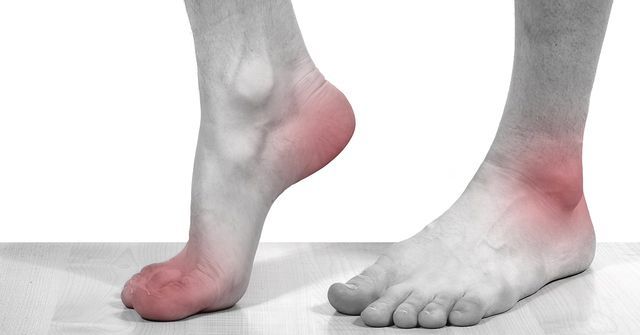
4. Sores or Wounds That Do Not Heal
Small cuts and blisters usually heal within a few weeks.
However, wounds that:
-
Fail to heal
-
Continue to enlarge
-
Become infected
-
Produce drainage
should never be ignored.
Poor wound healing may be associated with:
-
Diabetes
-
Poor circulation
-
Peripheral artery disease
-
Infection
-
Certain immune disorders
Early treatment helps reduce the risk of complications.
5. Persistent Foot Pain
Foot pain is often caused by:
-
Overuse
-
Plantar fasciitis
-
Arthritis
-
Tendon injuries
-
Poorly fitting shoes
However, pain that:
-
Lasts several weeks
-
Worsens over time
-
Occurs at rest
-
Has no obvious explanation
may indicate an underlying medical problem.
Persistent pain deserves professional evaluation rather than self-treatment alone.
Other Foot Changes Worth Mentioning
Although not always serious, these symptoms may also deserve attention if they persist:
Cold Feet
Cold feet may result from:
-
Poor circulation
-
Thyroid disorders
-
Anemia
-
Cold temperatures
Muscle Cramps
Frequent cramps may be related to:
-
Dehydration
-
Electrolyte imbalance
-
Muscle fatigue
-
Certain medications
Thick or Brittle Toenails
Changes in the nails may occur because of:
-
Fungal infections
-
Aging
-
Psoriasis
-
Circulatory disorders
Dry or Cracked Skin
Persistent dryness may sometimes be associated with:
-
Diabetes
-
Eczema
-
Thyroid disorders
-
Poor circulation
When Foot Symptoms May Be Linked to Systemic Disease
Your feet can occasionally reflect problems occurring elsewhere in the body.
Examples include:
Diabetes
Possible foot symptoms include:
-
Numbness
-
Burning pain
-
Poor wound healing
-
Loss of sensation
Heart Disease
Fluid retention may cause swelling of the feet and ankles.
Kidney Disease
Reduced kidney function may contribute to fluid buildup, resulting in swollen feet and ankles.
Peripheral Artery Disease
Reduced blood flow may cause:
-
Cold feet
-
Pain while walking
-
Pale skin
-
Slow-healing wounds
Arthritis
Inflammation of the joints may cause:
-
Pain
-
Swelling
-
Stiffness
-
Difficulty walking
How to Keep Your Feet Healthy
Good foot care benefits everyone, especially older adults and people with diabetes.
Simple habits include:
Inspect Your Feet Daily
Look for:
-
Cuts
-
Blisters
-
Swelling
-
Color changes
-
New sores
Wear Proper Footwear
Choose shoes that:
-
Fit well
-
Provide support
-
Allow room for your toes
Keep Feet Clean and Dry
Wash your feet daily and dry carefully, especially between the toes.
Moisturize Dry Skin
Use moisturizer to reduce cracking, but avoid applying lotion between the toes, where excess moisture may encourage fungal growth.
Stay Active
Regular walking and exercise support healthy circulation.
Common Myths
Myth 1: Foot Pain Is Just Part of Aging
While foot problems become more common with age, persistent pain should never be accepted without evaluation.
Myth 2: Swollen Feet Always Mean Poor Circulation
Swelling has many possible causes, including heart disease, kidney disease, medications, and prolonged standing.
Myth 3: If You Can Still Walk, Nothing Is Seriously Wrong
Many medical conditions develop gradually.
Early symptoms may be mild, making routine evaluation especially important.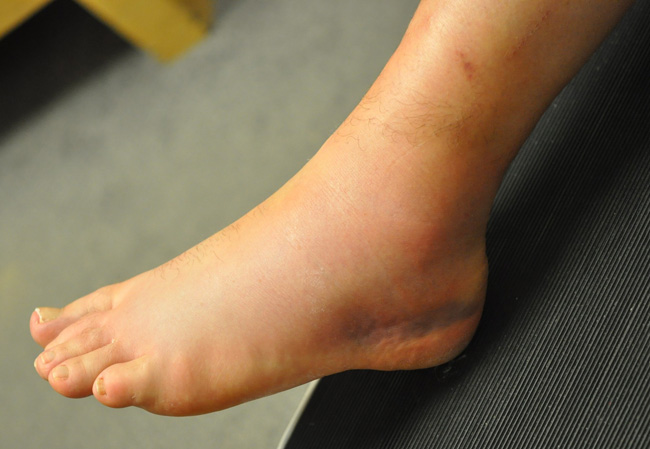
When Should You See a Doctor?
Arrange a medical appointment if you experience:
-
Persistent swelling
-
Ongoing numbness or tingling
-
Foot wounds that do not heal
-
Significant color changes
-
Persistent pain lasting more than several weeks
-
Sudden changes in sensation
Seek emergency care immediately if symptoms occur together with:
-
Chest pain
-
Difficulty breathing
-
Sudden severe swelling
-
Loss of circulation
-
Black discoloration of the foot
-
Severe injury
Final Thoughts
Your feet can provide important clues about your overall health. Persistent swelling, numbness, unusual color changes, slow-healing wounds, and ongoing pain are symptoms that should never be ignored. While these changes are often caused by common conditions such as poor footwear, overuse, or minor injuries, they may also reflect underlying health issues involving the circulation, nerves, heart, kidneys, or metabolism.
The key message is not to assume the worst, but to pay attention to symptoms that persist or worsen over time. Regular foot care, a healthy lifestyle, and timely medical evaluation when changes occur can help identify problems early and improve long-term health outcomes.
Healthy feet are more than a foundation for movement—they can also offer valuable insight into the health of your entire body.