Okra, often called lady's finger, is a nutritious vegetable enjoyed in many cuisines around the world. Known for its unique texture and mild flavor, okra is packed with dietary fiber, vitamins, minerals, and antioxidants that support overall health. It is commonly added to soups, stews, stir-fries, curries, and salads, making it a versatile ingredient for healthy meals.
For most people, okra is a valuable addition to a balanced diet. It provides important nutrients such as vitamin C, vitamin K, folate, magnesium, and potassium while being naturally low in calories.
However, like many healthy foods, okra may not be suitable for everyone in every situation. Certain individuals may need to consume it in moderation or consult a healthcare professional about how it fits into their dietary plan.
Here are 7 groups of people who may need to exercise extra caution when eating okra.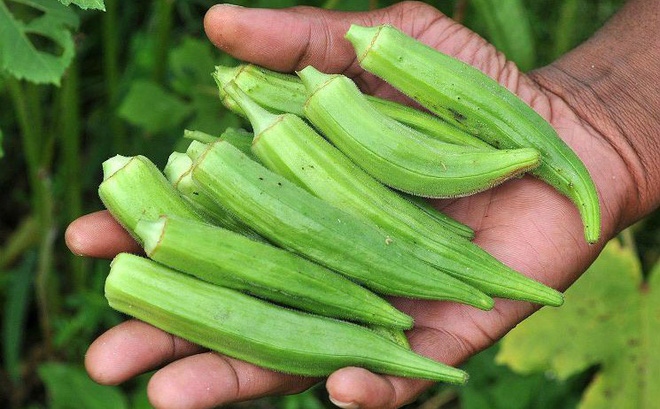
Why Okra Is Considered Healthy
Before discussing who should be cautious, it's worth understanding why okra is often recommended as part of a healthy diet.
Okra contains:
-
Dietary fiber
-
Vitamin C
-
Vitamin K
-
Folate
-
Magnesium
-
Potassium
-
Antioxidants such as polyphenols
-
Plant compounds that support overall health
Regular consumption of vegetables like okra has been associated with improved digestive health and a reduced risk of many chronic diseases.
1. People Taking Blood-Thinning Medications
Okra contains vitamin K, an important nutrient involved in normal blood clotting.
For most people, vitamin K is beneficial.
However, individuals taking blood-thinning medications such as warfarin may need to keep their vitamin K intake relatively consistent.
Sudden, large changes in vitamin K consumption can affect how these medications work.
This does not mean people taking warfarin must avoid okra entirely.
Instead, they should:
-
Eat consistent amounts.
-
Inform their healthcare provider about major dietary changes.
-
Follow personalized medical advice.
2. People With a History of Kidney Stones
Okra naturally contains oxalates.
Oxalates are naturally occurring compounds found in many healthy foods, including spinach, beets, nuts, and okra.
For most individuals, oxalates are not a problem.
However, people with a history of calcium oxalate kidney stones may be advised by their healthcare provider to moderate intake of high-oxalate foods.
Dietary recommendations vary depending on the type of kidney stone, so individualized guidance is important.
3. People With Digestive Sensitivities
Okra is rich in dietary fiber, which generally supports digestive health.
However, suddenly eating large amounts of fiber may cause temporary symptoms such as:
-
Gas
-
Bloating
-
Abdominal discomfort
People with conditions such as:
-
Irritable bowel syndrome (IBS)
-
Sensitive digestion
may notice that certain high-fiber foods affect them differently.
Introducing fiber gradually and drinking enough water often helps minimize discomfort.
4. People With Food Allergies
Although uncommon, allergic reactions to okra can occur.
Symptoms may include:
-
Itching
-
Skin rash
-
Swelling
-
Difficulty breathing (rare but serious)
Anyone who suspects a food allergy should avoid the suspected food until evaluated by an allergy specialist.
Severe allergic reactions require immediate emergency medical attention.
5. People Managing Blood Sugar With Medication
Okra has attracted scientific interest because laboratory and small clinical studies suggest it may influence blood sugar regulation.
However, research remains limited, and okra should not be considered a treatment for diabetes.
People taking medications that lower blood sugar should:
-
Continue prescribed treatment.
-
Monitor blood sugar as recommended.
-
Discuss significant dietary changes with their healthcare provider.
6. People With Chronic Kidney Disease
Individuals with advanced kidney disease often receive personalized dietary advice.
Depending on the stage of kidney disease, healthcare providers may recommend monitoring intake of certain nutrients, including:
-
Potassium
-
Phosphorus
-
Sodium
Although okra is nutritious, people with chronic kidney disease should follow the dietary recommendations provided by their nephrologist or dietitian.
7. People Eating Extremely Large Amounts of Okra
Even healthy foods are best consumed in moderation.
Eating excessive amounts of any single food may reduce dietary variety and increase the intake of naturally occurring compounds that may not be appropriate for everyone.
A balanced diet that includes a wide variety of vegetables provides the greatest nutritional benefit.
Health Benefits of Okra
For most people, okra offers numerous nutritional advantages.
Excellent Source of Fiber
Fiber supports:
-
Healthy digestion
-
Regular bowel movements
-
Healthy cholesterol levels
-
Stable blood sugar after meals
Rich in Antioxidants
Okra contains antioxidants that help protect cells from oxidative stress.
These include:
-
Polyphenols
-
Flavonoids
-
Vitamin C
Supports Heart Health
A diet rich in vegetables, including okra, has been associated with better cardiovascular health.
Fiber and antioxidants may contribute to these benefits.
Provides Important Vitamins
Okra supplies several essential nutrients, including:
-
Vitamin C
-
Vitamin K
-
Folate
These nutrients support immune function, normal blood clotting, and healthy cell growth.
Tips for Enjoying Okra Safely
If okra is appropriate for your diet, consider these simple tips:
-
Wash thoroughly before cooking.
-
Cook using minimal added fat.
-
Combine it with a variety of colorful vegetables.
-
Increase intake gradually if you're not used to high-fiber foods.
-
Drink enough water throughout the day.
Common Myths About Okra
Myth 1: Okra Is Dangerous for Most People
False.
For the majority of healthy adults, okra is a nutritious and safe vegetable.
Myth 2: Okra Cures Diabetes
There is currently no strong clinical evidence that okra can cure diabetes.
Healthy eating should complement—not replace—medical treatment.
Myth 3: People Taking Blood Thinners Must Never Eat Okra
False.
The goal is usually consistent vitamin K intake, not complete avoidance.
Patients should follow the advice of their healthcare provider.
Building a Balanced Diet
Rather than focusing on avoiding one particular food, most nutrition experts recommend eating a wide variety of vegetables, fruits, whole grains, lean proteins, and healthy fats.
Including different vegetables throughout the week helps ensure a broad range of nutrients while reducing the likelihood of consuming excessive amounts of any one compound.
Final Thoughts
Okra is a highly nutritious vegetable that provides fiber, vitamins, minerals, and antioxidants that support overall health. For most people, it can be enjoyed regularly as part of a balanced diet and contributes to healthy digestion, heart health, and overall nutrition.
However, certain individuals - including those taking blood-thinning medications, people with a history of calcium oxalate kidney stones, those with digestive sensitivities, food allergies, diabetes managed with medication, chronic kidney disease, or anyone consuming excessive amounts of a single food may benefit from additional guidance regarding how much okra is appropriate for them.
The key message is not to avoid okra, but to understand how it fits into your individual health needs. A balanced diet, personalized medical advice when necessary, and moderation remain the foundation of healthy eating.