When people think about liver disease, alcohol is often the first thing that comes to mind. While excessive alcohol consumption is a well-known cause of liver damage, it is not the only factor that can affect liver health. In fact, millions of people around the world develop metabolic dysfunction-associated steatotic liver disease (MASLD)—formerly known as non-alcoholic fatty liver disease (NAFLD)—despite drinking little or no alcohol.
The liver is one of the body's hardest-working organs. It filters toxins, processes nutrients, stores energy, produces proteins, and helps regulate metabolism. Because it performs so many vital functions, maintaining liver health is essential for overall well-being.
One of the biggest influences on liver health is your everyday diet. While no single food causes liver disease on its own, regularly consuming certain foods in large amounts may increase the risk of fat accumulation in the liver, especially when combined with excess calorie intake, obesity, insulin resistance, or physical inactivity.
Let's explore four types of foods that may negatively affect liver health when eaten too frequently and learn how to make healthier choices.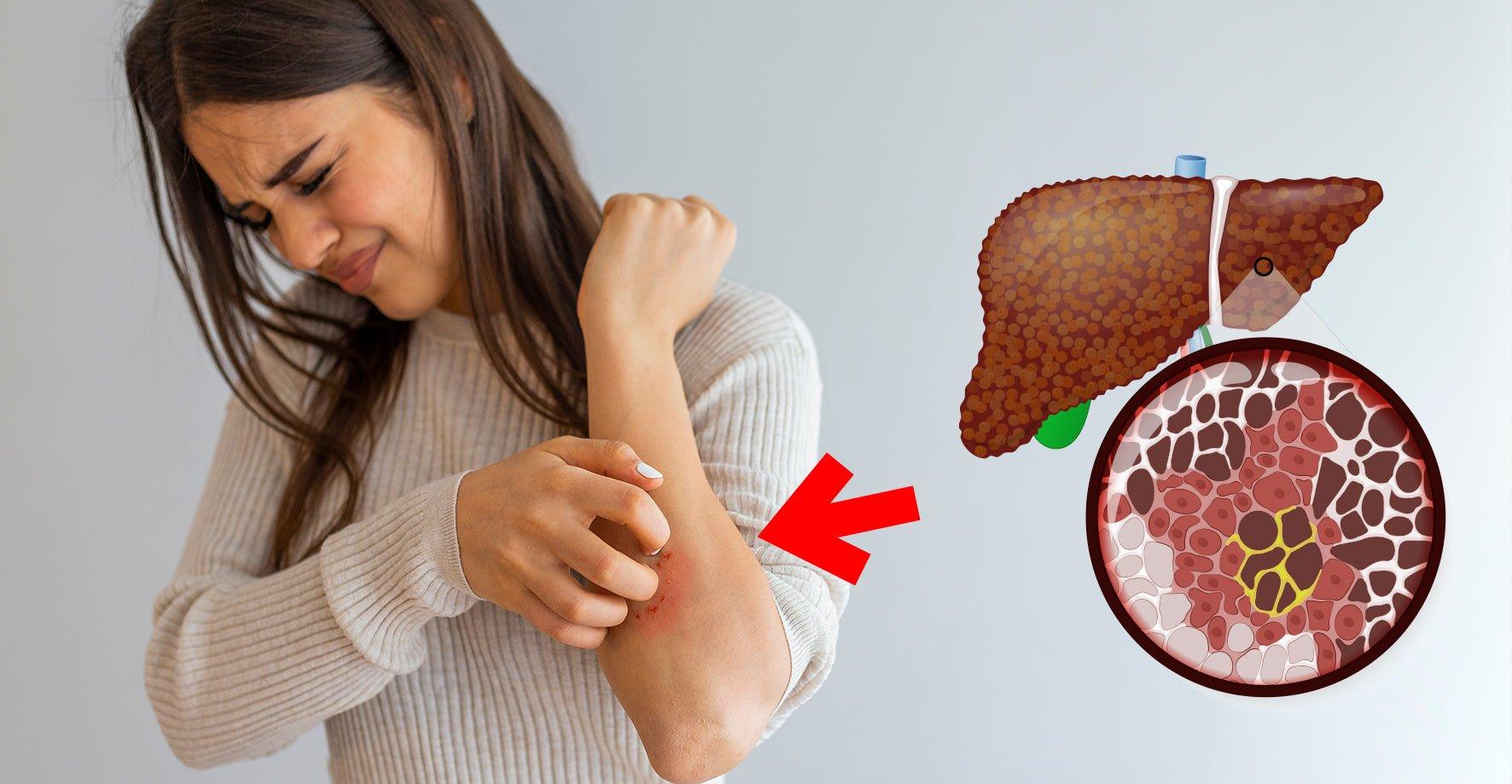
Understanding Fatty Liver Disease
Fatty liver disease occurs when excess fat builds up inside liver cells.
There are two major forms:
-
Alcohol-related liver disease (ALD), caused by excessive alcohol consumption.
-
Metabolic dysfunction-associated steatotic liver disease (MASLD), which develops in people who drink little or no alcohol and is closely linked to metabolic health.
Risk factors include:
-
Overweight or obesity
-
Type 2 diabetes
-
Insulin resistance
-
High cholesterol
-
High triglycerides
-
High blood pressure
-
Physical inactivity
Diet plays an important role in many of these conditions.
1. Sugar-Sweetened Beverages
One of the biggest dietary contributors to poor liver health is frequent consumption of sugary drinks.
Examples include:
-
Soft drinks
-
Sweetened iced tea
-
Energy drinks
-
Fruit-flavored beverages
-
Sweetened coffee drinks
These beverages often contain large amounts of added sugars, particularly fructose.
When consumed in excess, fructose is primarily processed by the liver. Over time, excessive intake may contribute to fat accumulation in liver cells.
Better Choices
Replace sugary beverages with:
-
Water
-
Sparkling water without added sugar
-
Unsweetened tea
-
Black coffee (if appropriate)
-
Water infused with fresh fruit
2. Highly Processed Foods
Ultra-processed foods are often high in:
-
Added sugars
-
Refined carbohydrates
-
Saturated fats
-
Sodium
-
Calories
Examples include:
-
Packaged snack foods
-
Fast food
-
Instant noodles
-
Processed meats
-
Frozen ready-made meals
-
Commercial pastries
Eating these foods occasionally is unlikely to cause harm, but relying on them as a major part of your diet may increase the risk of obesity and metabolic disorders that affect liver health.
Healthier Alternatives
Choose:
-
Fresh vegetables
-
Whole grains
-
Lean proteins
-
Beans
-
Fresh fruit
-
Homemade meals whenever possible

3. Foods High in Saturated Fat
Your body needs some fat, but the type of fat matters.
Diets consistently high in saturated fat may contribute to increased liver fat in some individuals.
Foods high in saturated fat include:
-
Fatty cuts of red meat
-
Processed meats
-
Butter
-
High-fat cheese
-
Fried foods
-
Some baked goods made with shortening
Better Fat Choices
Replace saturated fats with healthier unsaturated fats found in:
-
Olive oil
-
Avocados
-
Nuts
-
Seeds
-
Fatty fish such as salmon
These foods are commonly included in heart-healthy dietary patterns.
4. Refined Carbohydrates and Sugary Desserts
Foods made from refined flour and large amounts of added sugar can quickly raise blood sugar levels.
Examples include:
-
Cakes
-
Cookies
-
Candy
-
Doughnuts
-
Sweet breakfast cereals
-
White bread
-
White rice in excessive portions
Eating these foods frequently may contribute to insulin resistance and weight gain, both of which are strongly associated with fatty liver disease.
Smarter Options
Choose:
-
Whole-grain bread
-
Brown rice
-
Oats
-
Fresh fruit
-
Plain yogurt with berries
These foods provide more fiber and help promote steady energy levels.
The Liver Is Surprisingly Resilient
One encouraging fact is that the liver has an impressive ability to recover.
For many people with early-stage fatty liver disease, lifestyle changes can significantly reduce liver fat and improve liver function.
This often includes:
-
Losing excess body weight (when appropriate)
-
Exercising regularly
-
Improving dietary quality
-
Managing diabetes and cholesterol
-
Avoiding excessive alcohol
Even modest weight loss may lead to meaningful improvements.
Foods That Support Liver Health
Rather than focusing only on foods to limit, it's equally important to include foods that support overall metabolic health.
Excellent choices include:
Leafy Green Vegetables
Examples:
-
Spinach
-
Kale
-
Arugula
-
Lettuce
These vegetables provide vitamins, minerals, fiber, and antioxidants.
Fruits
Whole fruits contain fiber along with natural sugars.
Examples:
-
Berries
-
Apples
-
Oranges
-
Grapefruit
Whole fruit is generally a healthier choice than sugar-sweetened fruit drinks.
Fish
Fatty fish provide omega-3 fatty acids, which support heart health and may help reduce liver fat in some individuals.
Whole Grains
Foods such as:
-
Oats
-
Brown rice
-
Quinoa
-
Whole-wheat bread
provide fiber that supports metabolic health.
Beans and Legumes
Beans supply:
-
Plant protein
-
Fiber
-
Minerals
They can help create satisfying, nutrient-rich meals.
Lifestyle Habits That Protect the Liver
Healthy eating works best when combined with healthy habits.
Stay Physically Active
Aim for regular exercise such as:
-
Walking
-
Cycling
-
Swimming
-
Strength training
Physical activity improves insulin sensitivity and supports healthy body weight.
Maintain a Healthy Weight
Excess body fat, particularly around the abdomen, is strongly associated with fatty liver disease.
Even gradual weight loss can improve liver health.
Get Enough Sleep
Poor sleep may contribute to metabolic dysfunction over time.
Most adults benefit from seven to nine hours of quality sleep each night.
Avoid Smoking
Smoking increases the risk of many chronic diseases and may worsen liver health.
Common Myths About Liver Disease
Myth 1: Only Heavy Drinkers Develop Liver Disease
False.
Many people with fatty liver disease drink little or no alcohol.
Myth 2: Liver Disease Always Causes Symptoms
Early liver disease often causes no noticeable symptoms.
That's why routine medical care and monitoring of risk factors are important.
Myth 3: One "Detox" Drink Can Clean Your Liver
There is no scientific evidence that detox teas, juices, or supplements can cleanse the liver.
Your liver naturally detoxifies your body every day.
Supporting it through healthy lifestyle choices is far more effective.
When Should You See a Doctor?
Talk to your healthcare provider if you have risk factors such as:
-
Obesity
-
Type 2 diabetes
-
High cholesterol
-
High blood pressure
-
A family history of liver disease
You should also seek medical evaluation if you experience:
-
Persistent fatigue
-
Yellowing of the skin or eyes
-
Swelling in the abdomen
-
Dark urine
-
Persistent pain in the upper right abdomen
These symptoms may indicate liver disease or another medical condition requiring evaluation.
Final Thoughts
Alcohol is only one of many factors that can affect liver health. Even people who rarely or never drink alcohol can develop fatty liver disease, particularly if their diet is high in added sugars, ultra-processed foods, saturated fats, and refined carbohydrates.
Rather than fearing specific foods, focus on your overall eating pattern. Limiting sugar-sweetened beverages, choosing whole foods more often, eating healthy fats in moderation, and staying physically active can all support a healthier liver over time.
Your liver works tirelessly every day to keep your body functioning properly. By making thoughtful dietary choices and maintaining a healthy lifestyle, you can help protect this remarkable organ for years to come.