Your skin is often described as a window into your overall health and for good reason. While many skin changes are harmless or simply related to aging, some may be early warning signs of underlying liver disease. Because the liver performs hundreds of vital functions, including filtering toxins, producing bile, storing nutrients, and regulating hormones, any decline in liver function can affect the appearance of your skin.
Although skin symptoms alone cannot diagnose liver disease, recognizing these warning signs may encourage earlier medical evaluation and treatment. Here are four important skin changes that should never be ignored.\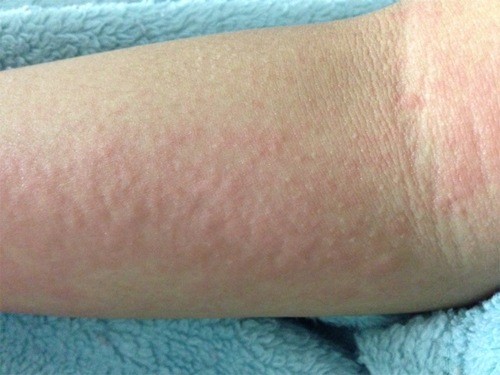
1. Yellowing of the Skin and Eyes (Jaundice)
One of the most recognizable signs of liver disease is jaundice, a condition that causes the skin and the whites of the eyes to turn yellow.
Jaundice occurs when bilirubin—a yellow pigment produced during the normal breakdown of red blood cells—builds up in the bloodstream. A healthy liver processes bilirubin and removes it through bile. However, when the liver is damaged or bile flow is blocked, bilirubin accumulates, leading to the characteristic yellow discoloration.
People with jaundice may also notice:
- Dark-colored urine
- Pale or clay-colored stools
- Fatigue
- Nausea
- Abdominal discomfort
- Loss of appetite
Jaundice is not a disease itself but a symptom of an underlying condition, such as hepatitis, cirrhosis, fatty liver disease, gallstones, or bile duct obstruction.
If you notice yellowing of your skin or eyes, seek medical attention promptly, as this symptom often requires immediate evaluation.
2. Persistent Itchy Skin Without a Rash
Occasional itching is common, but persistent, unexplained itching that lasts for weeks or months may be linked to liver disease.
Unlike allergic reactions or eczema, liver-related itching often occurs without any visible rash. Researchers believe this type of itching develops because bile salts and other substances accumulate beneath the skin when bile cannot flow properly.
The itching may:
- Be especially severe at night
- Affect the palms of the hands and soles of the feet
- Come and go without an obvious trigger
- Become intense enough to interfere with sleep
Chronic itching is particularly common in cholestatic liver diseases, where bile flow is reduced or blocked.
Although scratching may temporarily relieve discomfort, it often leads to skin damage, bleeding, and secondary infections.
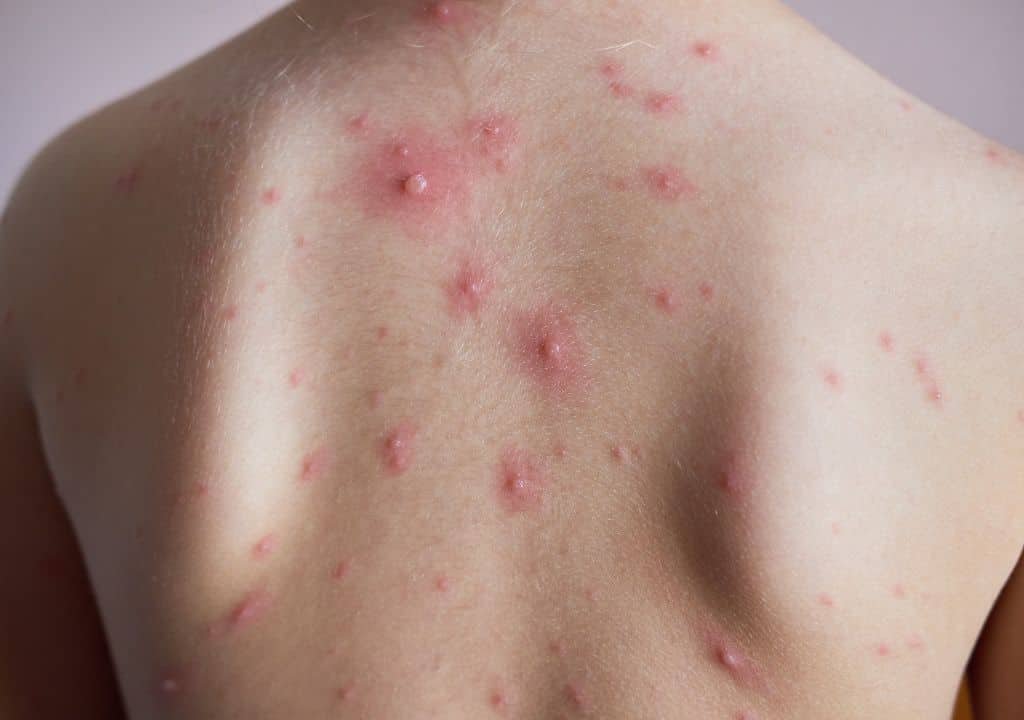
3. Spider Angiomas (Spider Veins)
Spider angiomas are small clusters of enlarged blood vessels that resemble tiny spiders. They consist of a central red spot with thin blood vessels extending outward.
These vascular lesions commonly appear on:
- The face
- Neck
- Upper chest
- Shoulders
- Arms
While a few spider angiomas are normal and may occur during pregnancy or with aging, having many of them can be associated with chronic liver disease, especially cirrhosis.
Experts believe these lesions develop because damaged livers are less able to break down estrogen. Higher estrogen levels cause blood vessels near the skin's surface to dilate.
Spider angiomas are usually painless, but they may blanch (turn pale) when pressed and quickly refill with blood once pressure is released.
4. Easy Bruising and Bleeding
If you suddenly begin bruising easily after minor bumps or notice frequent nosebleeds or bleeding gums, your liver may not be functioning properly.
The liver produces many of the proteins needed for normal blood clotting. When liver function declines, clotting factors decrease, making bleeding more likely.
Signs may include:
- Bruises that appear without significant injury
- Frequent nosebleeds
- Bleeding gums while brushing teeth
- Small purple or red spots beneath the skin (petechiae)
- Cuts that take longer than usual to stop bleeding
Easy bruising may also result from aging, medications, or vitamin deficiencies, but persistent symptoms should always be evaluated by a healthcare professional.
Why Does Liver Disease Affect the Skin?
The liver performs over 500 essential functions. When it becomes damaged, several biological processes are disrupted, including:
- Removal of toxins from the bloodstream
- Production of proteins and clotting factors
- Regulation of hormones
- Metabolism of bilirubin
- Normal bile production and flow
These disruptions often become visible through changes in the skin long before severe liver failure develops.
Other Symptoms That May Accompany Liver Disease
Skin changes rarely occur alone. They may be accompanied by:
- Persistent fatigue
- Swelling in the legs or ankles
- Abdominal swelling (ascites)
- Pain or fullness in the upper right abdomen
- Nausea
- Loss of appetite
- Unexplained weight loss
- Confusion or difficulty concentrating
- Dark urine
- Pale stools
The presence of multiple symptoms increases the likelihood that liver function may be impaired.
Common Causes of Liver Disease
Numerous conditions can damage the liver over time, including:
- Non-alcoholic fatty liver disease (NAFLD)
- Alcohol-related liver disease
- Viral hepatitis (A, B, and C)
- Autoimmune liver diseases
- Genetic disorders such as hemochromatosis and Wilson disease
- Certain medications and toxins
- Obesity and type 2 diabetes
Many liver diseases develop gradually and may remain silent for years before symptoms appear.
When Should You See a Doctor?
You should seek medical evaluation if you notice:
- Yellowing of the skin or eyes
- Persistent itching without an obvious cause
- Numerous new spider angiomas
- Easy bruising or unexplained bleeding
- Skin changes accompanied by fatigue, abdominal pain, swelling, or weight loss
Your healthcare provider may recommend blood tests to assess liver function, imaging studies such as ultrasound, or additional testing to determine the underlying cause.
Early diagnosis often allows treatment before permanent liver damage occurs.
Can Liver Disease Be Prevented?
While not every liver condition is preventable, many cases can be reduced through healthy lifestyle choices:
- Maintain a healthy body weight.
- Limit or avoid excessive alcohol consumption.
- Eat a balanced diet rich in vegetables, fruits, whole grains, and lean protein.
- Exercise regularly.
- Manage diabetes, high cholesterol, and high blood pressure.
- Get vaccinated against hepatitis A and B when appropriate.
- Avoid sharing needles or personal items that may transmit hepatitis viruses.
- Take medications only as directed and avoid unnecessary supplements that may harm the liver.
Healthy habits not only protect your liver but also improve your overall well-being.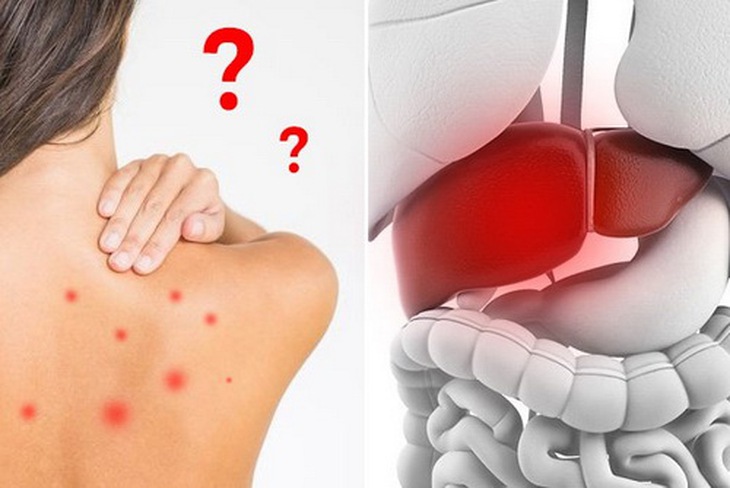
Final Thoughts
Your skin can provide valuable clues about your internal health. Yellowing of the skin, persistent itching, spider angiomas, and easy bruising are four changes that may indicate underlying liver disease. While these symptoms do not always mean you have a serious liver condition, they should never be ignored—especially if they occur alongside other signs such as fatigue, abdominal swelling, or dark urine.
Recognizing these warning signs early and seeking timely medical evaluation can make a significant difference. In many cases, liver disease can be slowed, managed, or even reversed when detected before extensive damage has occurred.