Seeing veins clearly under the skin can be surprising, and for some people, even worrying. Social media posts often suggest that visible veins are a sign of hidden health problems, poor circulation, or even serious disease. In reality, visible veins are usually a normal physical feature and, in most cases, not a cause for concern.
Understanding why veins become more noticeable can help separate medical facts from online myths.
Why Veins Become More Visible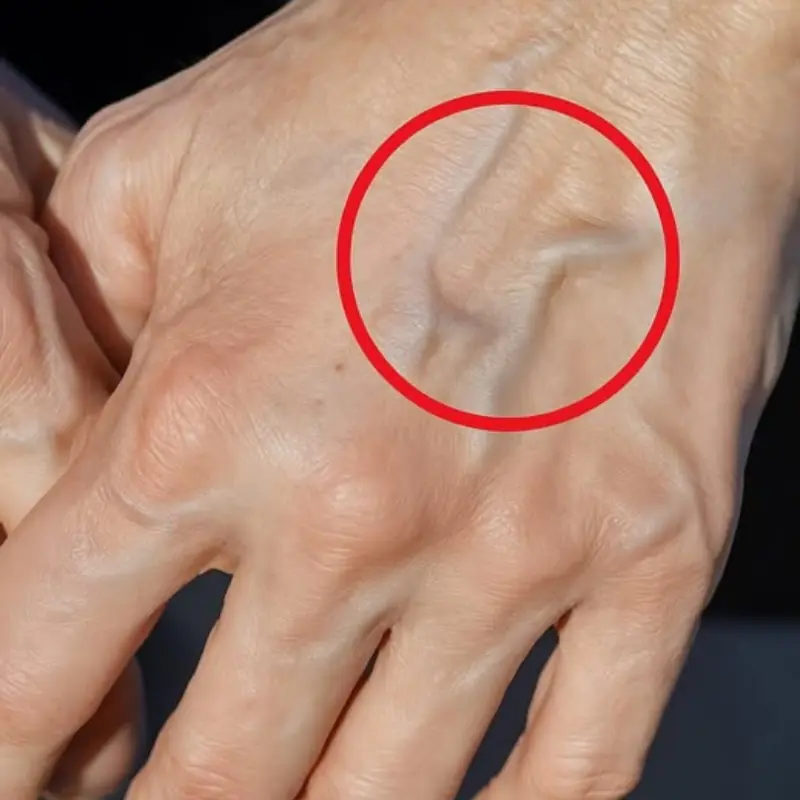
Veins carry blood back to the heart and are naturally located close to the surface of the skin. How visible they appear depends on several factors, many of which are completely harmless.
One of the most common reasons is skin thickness. People with thinner or more translucent skin tend to see veins more clearly, especially on the hands, wrists, feet, and arms. This is often genetic and varies from person to person.
Body Fat and Muscle Tone
Lower levels of subcutaneous fat can make veins stand out more. Athletes, physically active individuals, or people with naturally lean builds often have more visible veins because there is less tissue covering them.
Similarly, increased muscle tone can push veins closer to the skin’s surface. This is why veins may appear more prominent after exercise or during physical activity.
Temperature and Blood Flow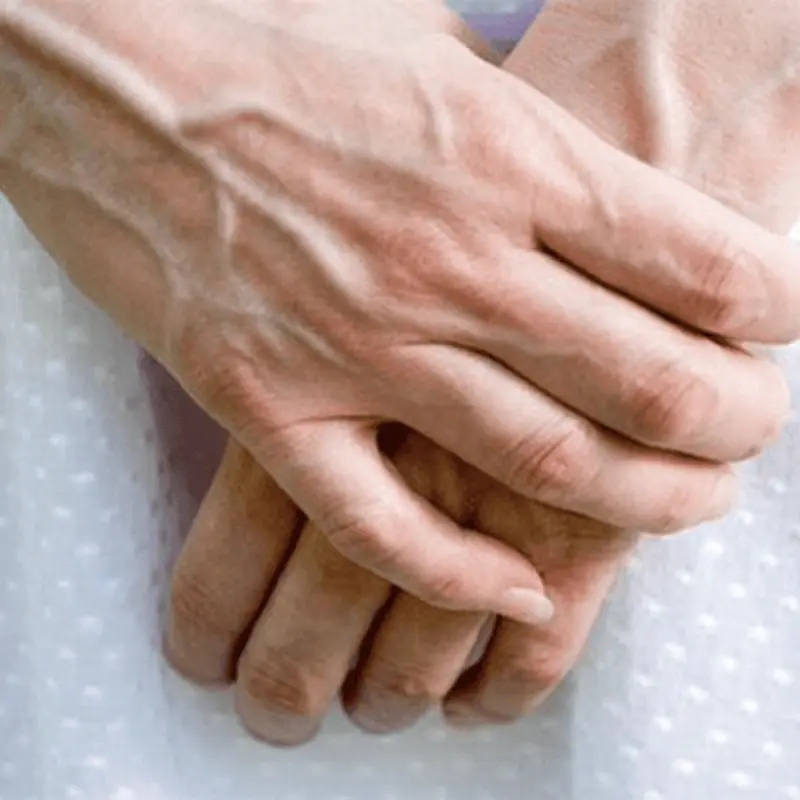
Heat causes blood vessels to expand. When the body is warm—after a hot shower, during summer weather, or following exercise—veins may temporarily look larger and more visible.
This response helps the body regulate temperature and is a normal physiological process, not a warning sign.
Age-Related Changes
As people age, skin naturally becomes thinner and loses some of its elasticity. Fat layers beneath the skin may also decrease over time. Together, these changes make veins more noticeable, especially on the hands.
This is a common and expected part of aging rather than an indicator of declining health.
Hydration and Circulation
Mild dehydration can sometimes make veins appear slightly more prominent due to reduced blood volume. However, this effect is usually temporary and resolves once proper hydration is restored.
In most healthy individuals, visible veins are not a sign of poor circulation. In fact, veins that are easy to see often function perfectly well.
When Visible Veins May Need Attention
While visible veins are usually harmless, certain accompanying symptoms may warrant medical advice. These include pain, swelling, skin discoloration, warmth, or veins that suddenly become hard or tender.
Conditions such as varicose veins or vein inflammation can cause discomfort and should be evaluated by a healthcare professional. However, these conditions are typically identified by symptoms—not visibility alone.
Debunking Common Myths
Online claims often link visible veins to “toxins,” “weak blood,” or hidden illnesses. There is no scientific evidence to support these statements.
Vein visibility is not a reliable indicator of overall health, nutrient deficiency, or internal disease. It is largely influenced by anatomy, lifestyle, and environmental factors.
A Normal Variation, Not a Diagnosis
Medical professionals emphasize that visible veins are a normal variation of the human body. Just as skin tone, hair texture, and body shape differ, vein visibility varies widely among individuals.
Rather than focusing on appearance alone, overall health should be assessed through energy levels, physical comfort, and regular medical checkups when needed.
The Bottom Line
If you have visible veins, it usually means your skin, body composition, or circulation allows them to be seen more clearly. In most cases, this is completely normal and harmless.
Understanding the science behind visible veins can help reduce unnecessary anxiety and encourage a more informed view of body changes—especially in an age where misinformation spreads easily.