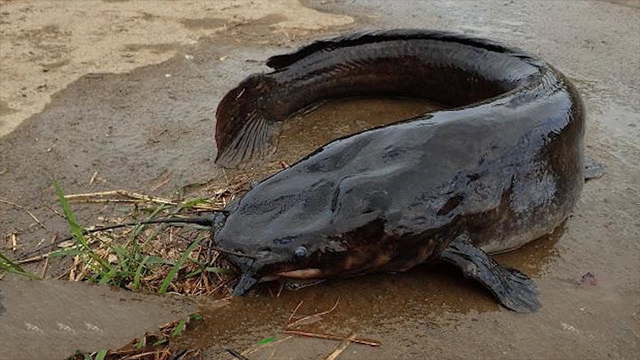
Many people eat them every day without knowing it: 4 types of fish that are prone to parasites—fish sellers with years of experience don’t even dare eat them
Although they are familiar on daily dinner tables and quite inexpensive, many freshwater fish carry a potential risk of parasite infection if they are not chosen and prepared properly. In fact, even long-time fish sellers actively “avoid” these types of fish.
Fish is a common food in the meals of many Vietnamese families. Affordable prices, ease of preparation, and high protein and mineral content make fish a preferred choice, especially for middle-income households. However, not all fish are as safe as we tend to think. In reality, some cheap freshwater fish that are widely sold in markets pose a very high risk of parasite infection—to the point that even experienced fish sellers limit or completely avoid eating them.
According to Associate Professor Dr. Trần Văn Minh, a parasitology expert (University of Medicine), freshwater fish that live in muddy, stagnant, polluted environments or have omnivorous feeding habits are ideal “intermediate hosts” for many dangerous worms and flukes. Parasites in fish are not easy to detect with the naked eye. If not cooked thoroughly, consumers risk infection with liver flukes, roundworms, and even migrating parasite larvae that can cause long-term complications.
Below are four types of fish that seafood traders consider “high-risk zones,” even though they appear daily on the tables of many families.
1. Catfish – underwater “garbage cleaners” full of risks
Catfish are familiar freshwater fish, inexpensive, and often cooked in soups, braised, or fried. However, among fish traders, catfish are notorious as “bottom cleaners.” They can thrive in murky water, stagnant ponds, and even drainage ditches near residential areas.
Catfish have a very indiscriminate diet: insects, decomposing animal remains, leftover food, and even the waste of other aquatic species. This habit makes catfish prone to accumulating bacteria, worm eggs, and various parasites in their intestines, liver, and muscle tissue.
Many fish sellers admit they sell catfish to customers but rarely buy them to eat at home. “Preparing catfish is a lot of work—the guts are dirty, there’s a lot of slime, and you still don’t feel safe,” said a trader at a wholesale market.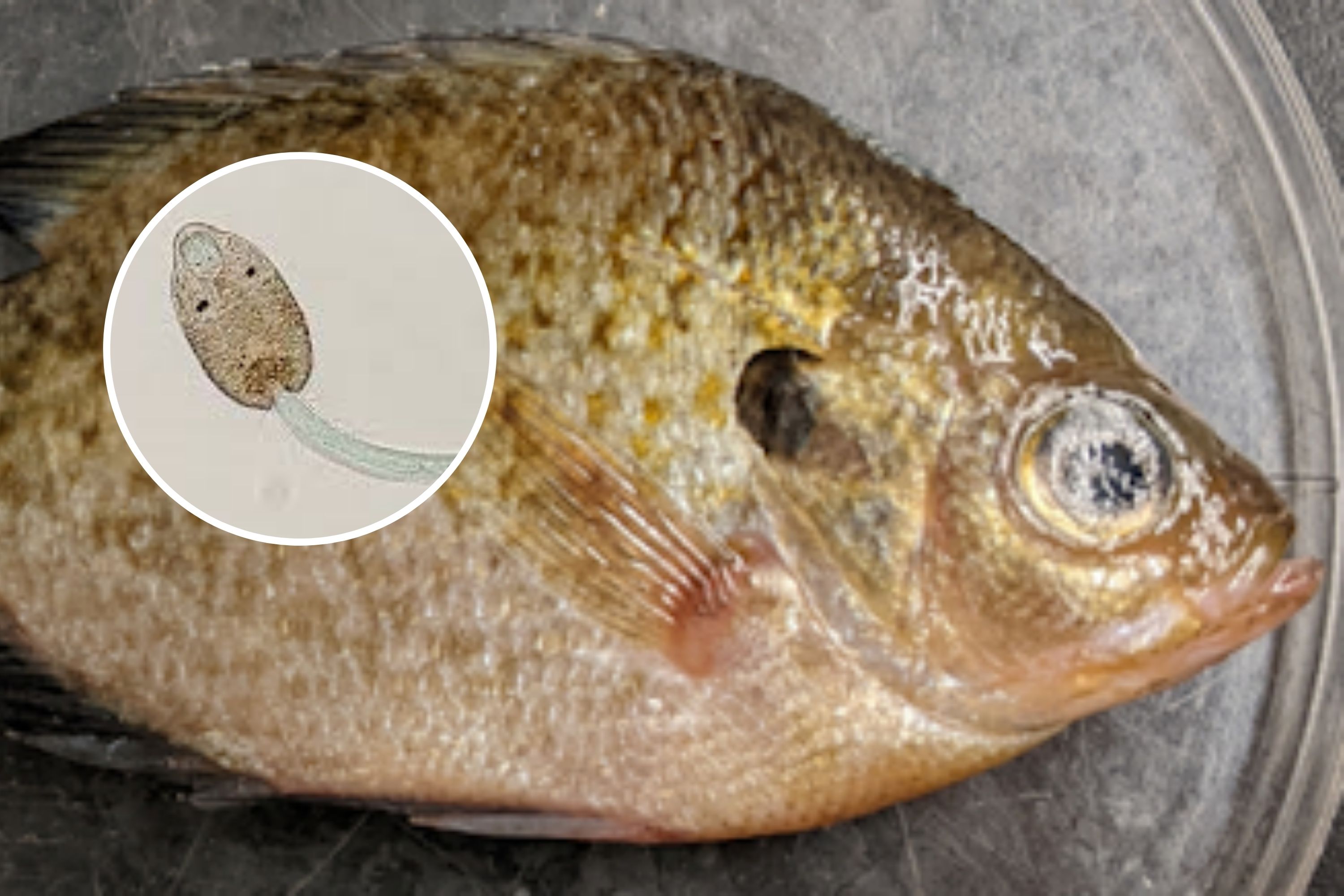
2. Loach – living in mud, parasites easily attach
Loaches are small and cheap, often used for deep-frying or cooking in soups. However, their habitat is rice fields and muddy ponds—damp, low-oxygen environments that are rich in disease-causing organisms.
Loaches have slippery skin with a lot of mucus and often burrow into the mud for shelter. This creates ideal conditions for parasite eggs and larvae to cling to the skin and invade the body. In particular, roundworms and certain flukes can survive for long periods inside loaches.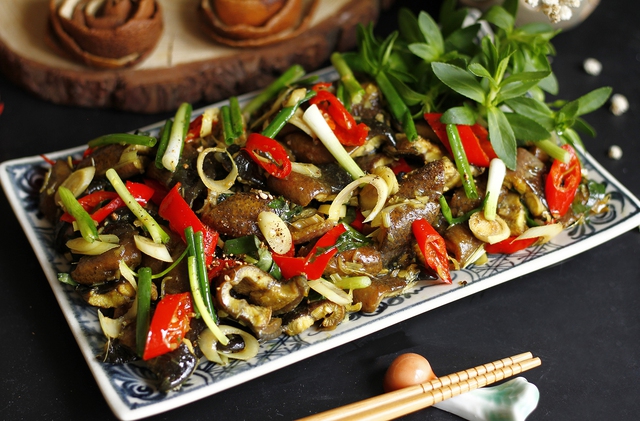
Fish sellers say that even after scrubbing repeatedly and carefully removing the entrails, it is still very difficult to clean loaches completely. Therefore, many people in the trade only sell them but do not eat them, or only eat them when they are sure the fish were farmed in controlled environments.
3. Eel – nutritious but extremely difficult to clean thoroughly
Eels are often considered a nutritious food, especially for the sick or young children. However, few people know that eels live in environments similar to loaches: muddy burrows, rice fields, and stagnant ponds.
An eel’s long body, many skin folds, and thick mucus layer make thorough cleaning extremely difficult. Parasite eggs can hide in the skin folds, abdominal cavity, and intestines. If preparation is not meticulous or the eel is not fully cooked, the risk of parasite infection is very high.
According to experienced fish sellers, eels are “tasty to eat but scary to prepare.” Many people are willing to pay extra to buy crucian carp or climbing perch instead of eating eel because the risk level is higher.
4. “Cleaning fish” – invasive “trash fish,” not meant for the table
Cleaning fish (plecos, sucker-mouth catfish) are originally raised to clean aquarium tanks. However, in recent years, this species has appeared at cheap fish stalls and is even marketed as “river fish.”
The diet of cleaning fish is extremely concerning: algae, organic debris, dead organisms, and fish waste. Their intestines contain large amounts of bacteria and parasites. In addition, their flesh is dry, the bones are hard, and they have virtually no nutritional value.
Fish traders frankly admit: cleaning fish are only sold to people who don’t know better; those in the trade absolutely do not eat them, let alone bring them home to their families.
Three important principles for eating fish more safely
First, choose reputable sources. Do not be tempted by cheap prices to buy fish of unclear origin sold roadside. Prioritize fish from supermarkets or inspected seafood stores.
Second, prepare fish extremely carefully. Freshwater fish should have all slime scraped off, entrails completely removed, including the black membrane in the belly, clotted blood, and gills. Rinse several times under clean running water.
Third, cook thoroughly. Never eat undercooked or lightly cooked freshwater fish. High temperatures are the most effective way to kill parasites.
Fish is a healthy food—but only truly safe when selected and prepared correctly. Sometimes, the experience of long-time fish sellers—those who “know but don’t say”—is the most practical warning to protect the health of the whole family.