Dois sinais incomuns de dor de cabeça que, segundo médicos, podem indicar um tumor cerebral - Não os ignore
Dois sinais incomuns de dor de cabeça que, segundo médicos, podem indicar um tumor cerebral - Não os ignore
Health 30/01/2026 12:39
How to Respond When Bitten by a Snake: A Life-Saving Guide
Introduction
A snake bite can be a life-threatening emergency that requires immediate attention. Snakes are found all over the world, and while most of them are non-venomous, some species possess venom that can lead to severe health consequences or even death if not treated properly. Understanding the steps to take when bitten by a snake, whether venomous or non-venomous, can make a significant difference in the outcome of the incident. This guide will walk you through the essential actions to take in the event of a snake bite, highlighting what to do first and how to protect yourself and others.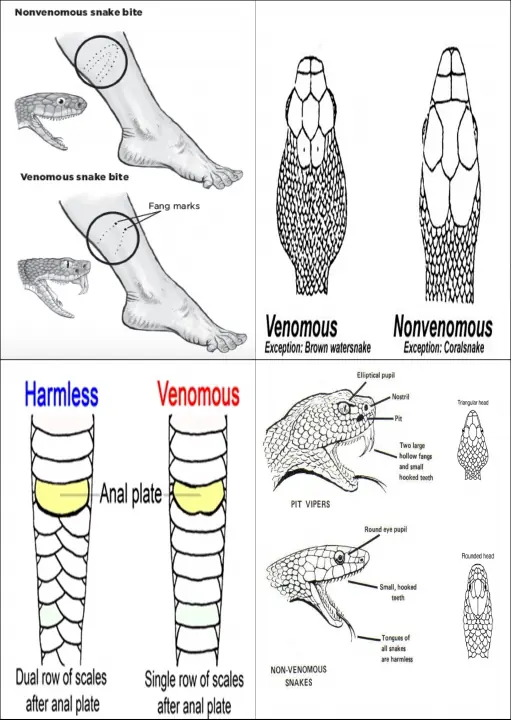
The first step after being bitten by a snake is to try to identify the snake, if possible. Although it may be difficult, this step is crucial because it helps determine whether the snake is venomous or non-venomous. Venomous snakes have distinctive features such as triangular heads, slit-like pupils, or bold color patterns, but these traits can vary by species. If you are unable to identify the snake, do not take unnecessary risks by attempting to get close to it. It’s better to focus on providing immediate first aid and seeking professional medical help.
Remaining calm is essential when dealing with a snake bite. The venom from a snake bite, particularly from venomous snakes, can cause rapid swelling and systemic symptoms. Panicking can accelerate your heart rate, causing the venom to circulate more quickly through your bloodstream. Therefore, stay as calm as possible. Take deep breaths and try to move slowly and steadily.
Once bitten, immobilize the bitten limb to slow the spread of venom. This is one of the most crucial steps. You should try to keep the affected limb still and positioned below the level of the heart to reduce the flow of venom through the bloodstream. Avoid using the injured area, as increased movement can cause venom to circulate more quickly.
If possible, remove any tight clothing or jewelry from the area of the bite, as these could constrict blood flow and worsen swelling.
One common misconception is that you should attempt to suck out the venom from a snake bite. Do not attempt this, as it is ineffective and may lead to further contamination or injury. Sucking out venom is not only pointless but can also introduce bacteria from your mouth into the wound. Instead, focus on getting medical help as soon as possible.
Similarly, cutting the wound to “release” the venom is also not recommended. Cutting the bite site is dangerous and can lead to additional injury or infection. Instead, you should leave the bite area untouched and avoid doing anything that might worsen the condition.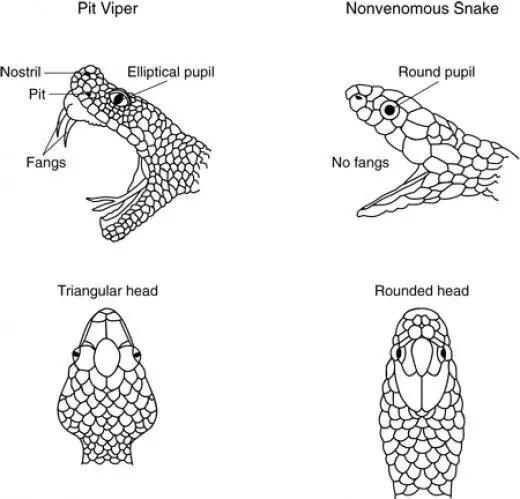
Another common myth is that you should apply ice to the bite area to slow venom circulation. This method is not advisable. Applying ice can damage tissue, worsen swelling, and make it more difficult to assess the bite. Likewise, tourniquets are not recommended, as they can cut off blood flow completely, causing more harm than good.
Instead, the best option is to apply a clean, dry dressing to the bite site, but avoid using pressure or trying to bandage it too tightly. A loose bandage or clean cloth around the bite may be helpful for comfort, but it should not obstruct blood flow.
Whether the snake is venomous or not, seek medical help immediately. Even non-venomous bites can cause serious infections, and venomous snake bites require professional treatment. Call emergency services (911 or your local emergency number) to get assistance, and be prepared to give details about the snake’s appearance, the time of the bite, and the location of the bite. The sooner help arrives, the better the chances of survival and recovery.
If possible, try to get the victim to the hospital or medical center as quickly as possible. Do not waste time looking for the snake or trying to “track it down” unless it is safe to do so.
You may be tempted to drink alcohol or caffeine to calm down, but this can increase the risk of complications. Both substances raise blood pressure, which can cause venom to spread faster. It’s best to avoid consuming any stimulants and focus on staying hydrated with water.
If you feel safe doing so, try to memorize the snake's color, shape, and markings. If the snake is venomous, identifying the species will allow medical professionals to determine the correct antivenom to administer. If you have a smartphone, taking a photo can be helpful. However, do not risk your safety by trying to get too close to the snake.
As you await medical help, it’s essential to monitor symptoms and the progression of the bite. Signs of venomous snake bites can include:
Swelling and redness around the bite site
Dizziness or fainting
Nausea and vomiting
Difficulty breathing
Blurred vision or drooping eyelids
Paralysis or loss of movement
Make sure to note the time of the bite, as this will help medical professionals track the progression of the symptoms and determine the best course of treatment.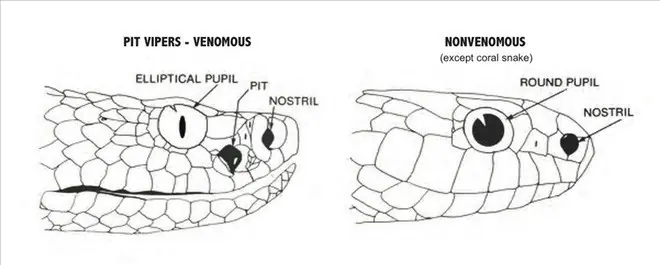
Once you reach the hospital, medical professionals will likely perform tests to assess the damage caused by the venom. They may administer antivenom if the snake was venomous. The sooner antivenom is given, the more effective it is at neutralizing the venom and reducing the risk of death. The treatment will depend on the type of snake and the severity of the bite.
Conclusion
Knowing what to do if bitten by a snake can be the difference between life and death. Always remain calm, immobilize the limb, and seek medical help immediately. Remember to never attempt to suck out the venom or cut the wound. By following the steps outlined in this guide, you can significantly improve your chances of surviving a snake bite.
Stay safe, stay alert, and always be prepared when spending time in areas known to harbor snakes, such as forests, grasslands, or even your own backyard.
Dois sinais incomuns de dor de cabeça que, segundo médicos, podem indicar um tumor cerebral - Não os ignore
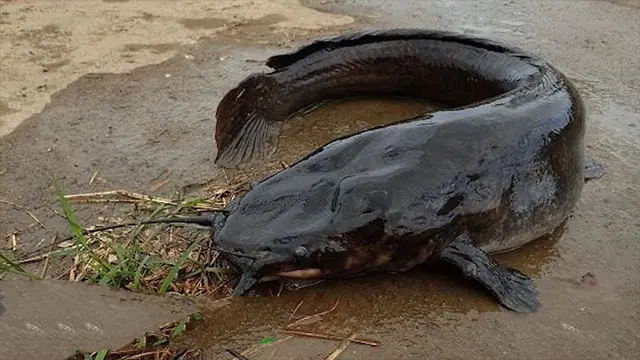
Below are four types of fish that seafood traders consider “high-risk zones,” even though they appear daily on the tables of many families.

Pancreatic can:cer: these two symptoms should have warned my dad, who pas:sed away within 12 weeks
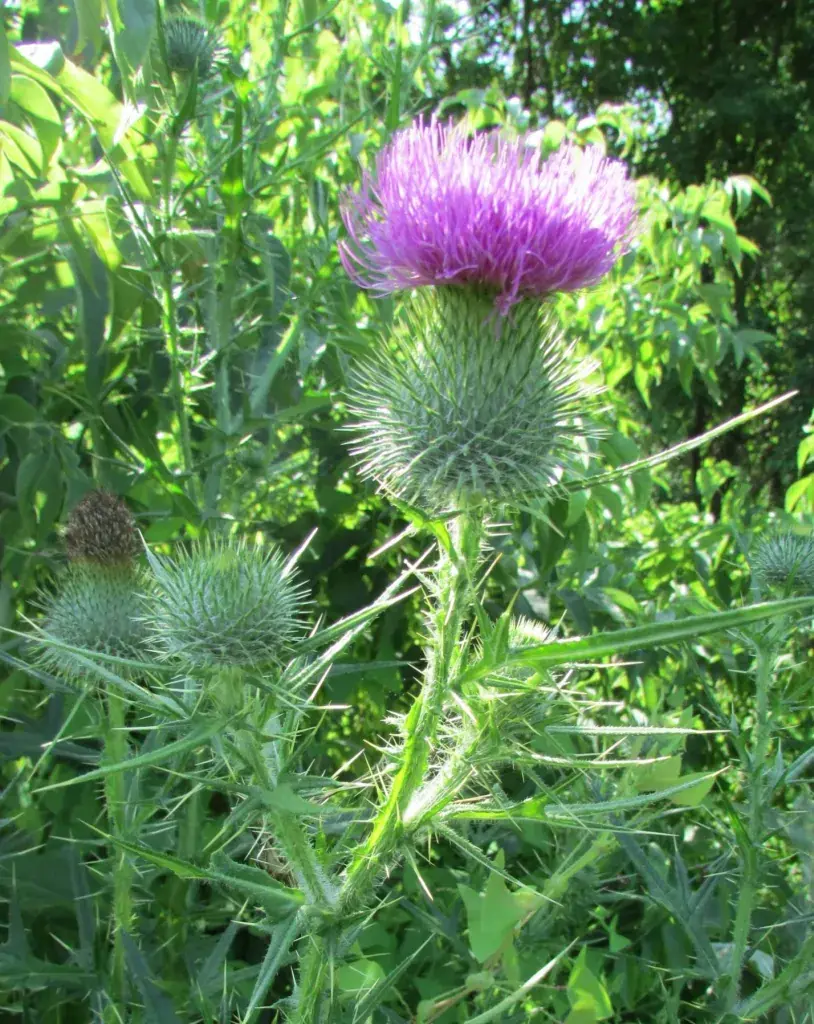
Meet Bull Thistle: A Wild Plant With Hidden Health and Survival Benefits
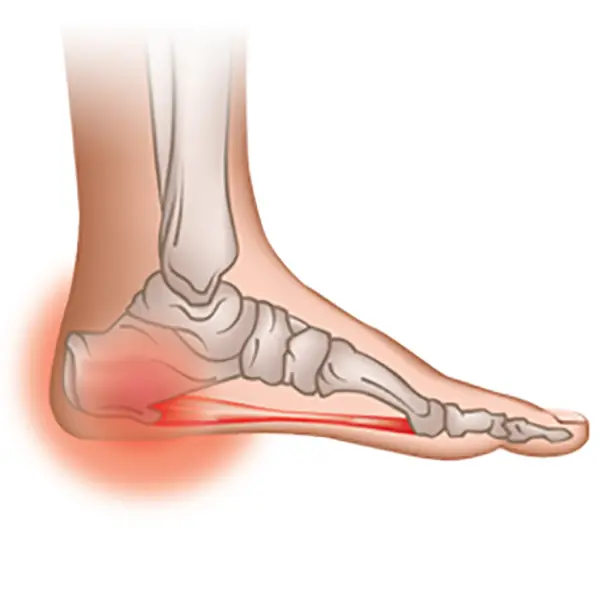
If your heel hurts when you wake up or without standing for a long time, this is happening to your body
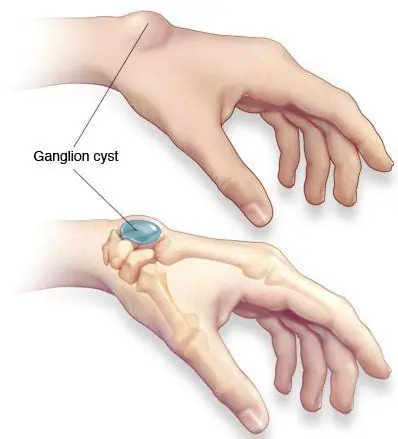
An Unusual Lump on the Wrist? Don’t Ignore It — It Could Signal a Serious Condition
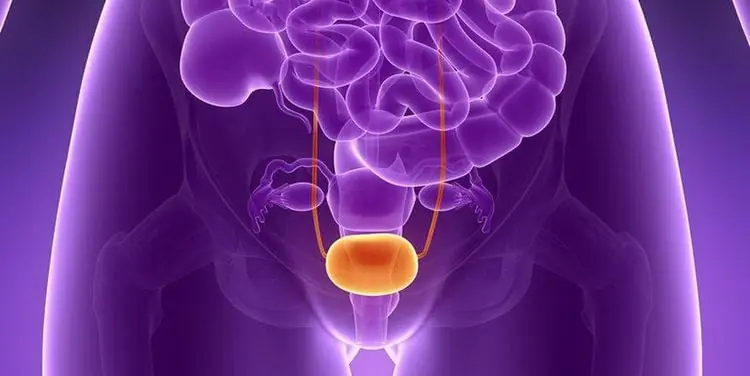
5 Common Warning Signs of Bladder Can:cer You Should Never Ignore

People whose mouths feel dry when sleeping at night need to know these 8 reasons
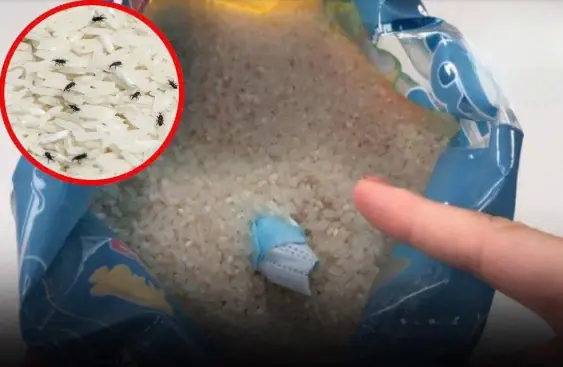
Storing rice properly will prevent it from being attacked by pests like moths, extend its shelf life, and keep its aroma intact when cooking.
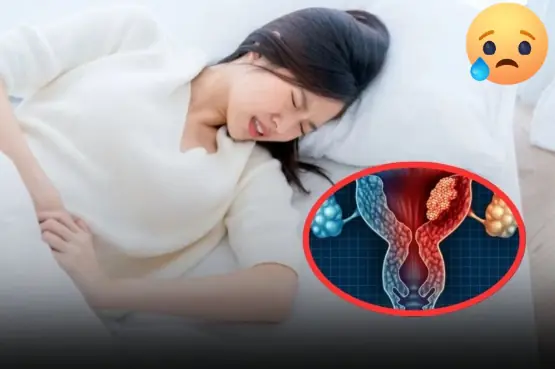
3 Intimate Habits of Husbands That May Increase Wives’ Risk of Cervical Can.cer: Stop Before It’s Too Late

If you’ve been tossing and turning at night, struggling with insomnia, restlessness, or waking up at 3 a.m.
We often assume that sleep only “belongs” to the night.
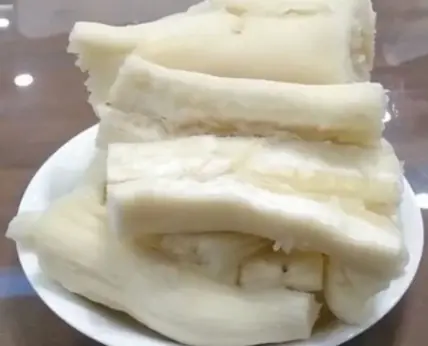
Every year, over 200 people die from consuming what is known as the “world’s deadliest food,” yet nearly 500 million people still eat it.
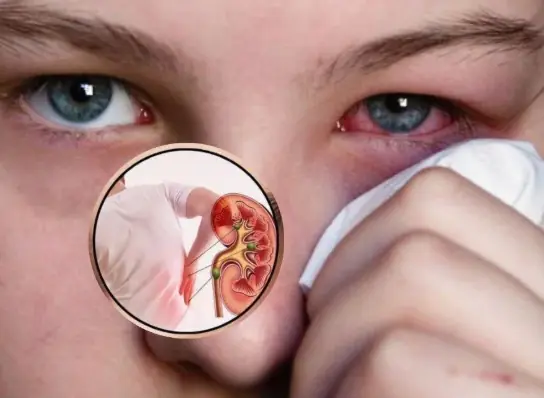
8 Warning Signs of Kidney Failure You Should Never Ignore
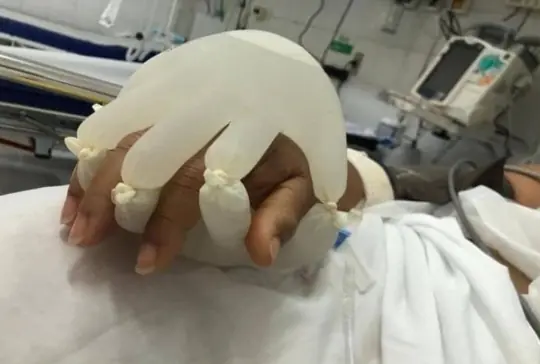
During the height of the COVID-19 pandemic, one photograph captured worldwide attention:

Leftover food stored in the fridge and eaten the next day is a common habit in many Vietnamese households.
Prostate cancer is one of the most commonly diagnosed cancers among men worldwide, yet one potential risk factor remains largely overlooked—not because it is rare, but because it is ordinary.

What sleeping on the left side does for our brain, stomach and lymphatic health
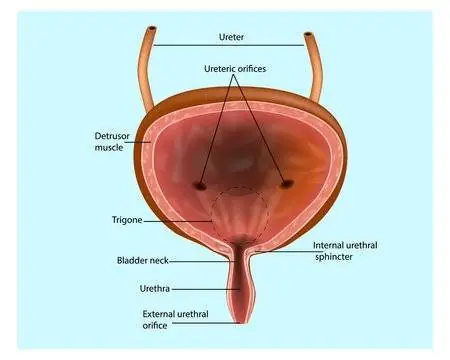
Why the Sound of Running Water Suddenly Makes You Need to Pee
Below are four types of fish that seafood traders consider “high-risk zones,” even though they appear daily on the tables of many families.
Pancreatic can:cer: these two symptoms should have warned my dad, who pas:sed away within 12 weeks
Meet Bull Thistle: A Wild Plant With Hidden Health and Survival Benefits
If your heel hurts when you wake up or without standing for a long time, this is happening to your body
An Unusual Lump on the Wrist? Don’t Ignore It — It Could Signal a Serious Condition
5 Common Warning Signs of Bladder Can:cer You Should Never Ignore
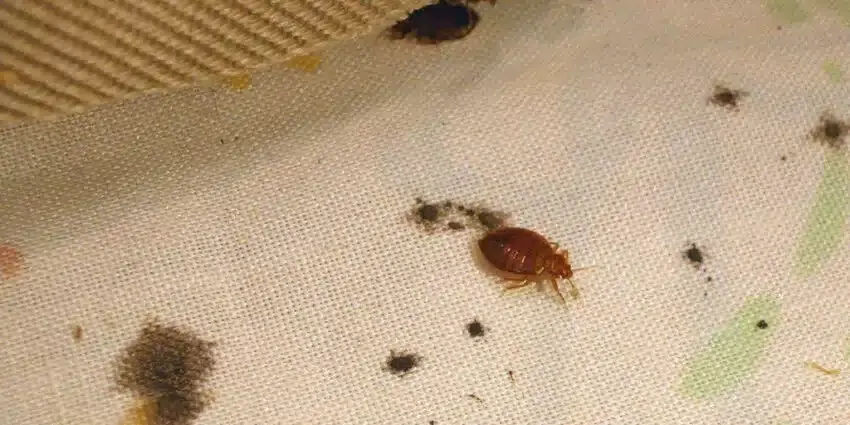
Using diatomaceous earth and cloves for natural bed bug and insect control
People whose mouths feel dry when sleeping at night need to know these 8 reasons

A comforting bowl of creamy chicken stew that brings warmth to any meal.

When scholars study the great copper-producing powers of the Mediterranean Bronze Age, they often focus on Cyprus and the Levant.

On the summit of Papoura Mountain in central Crete, archaeologists are investigating a highly unusual circular structure.
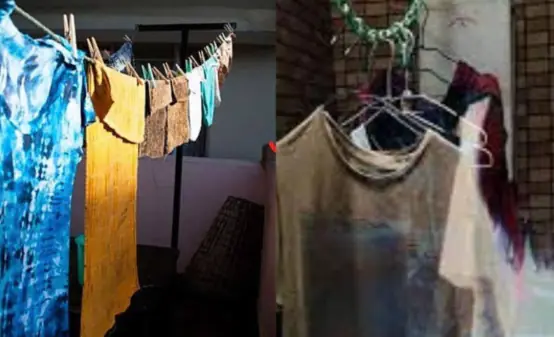
If your schedule allows, morning is the golden hour for laundry—especially on sunny days.
Storing rice properly will prevent it from being attacked by pests like moths, extend its shelf life, and keep its aroma intact when cooking.
Not the Air Conditioner
3 Intimate Habits of Husbands That May Increase Wives’ Risk of Cervical Can.cer: Stop Before It’s Too Late
If you’ve been tossing and turning at night, struggling with insomnia, restlessness, or waking up at 3 a.m.
We often assume that sleep only “belongs” to the night.
Every year, over 200 people die from consuming what is known as the “world’s deadliest food,” yet nearly 500 million people still eat it.
8 Warning Signs of Kidney Failure You Should Never Ignore