The skin is often called a window into internal health. While many skin changes are harmless - linked to aging, weather, allergies, or everyday
stress - some persistent or unusual symptoms may point to deeper issues happening inside the body. Among the organs that can quietly
affect the skin, the kidneys play a particularly important role.
Your kidneys are responsible for filtering waste from the blood, balancing fluids and minerals, regulating blood pressure, and supporting
overall metabolic stability. When kidney function begins to decline, waste products and fluid imbalances can build up. Because the skin is one
of the body’s largest and most sensitive organs, it often shows early signs of this internal stress - sometimes before more obvious symptoms
appear.
Below are five skin-related signs that, when persistent or unexplained, may be associated with kidney problems and deserve attention.
Why Kidney Health Affects the Skin
When kidneys are working well, they keep the internal environment stable by removing toxins, regulating electrolytes, and producing key
hormones. When they struggle, several changes can occur at once:
-
Waste products remain in the bloodstream
-
Fluid and mineral balance is disrupted
-
Hormone production is altered
-
Blood circulation and clotting can be affected
These shifts can directly or indirectly impact the skin, making it one of the earliest places where kidney-related issues may become visible.
1. Persistent Itching With No Clear Skin Cause
Ongoing, unexplained itching - especially when there is no visible rash is one of the most commonly overlooked skin signs linked to kidney dysfunction.
When kidneys cannot efficiently filter waste from the blood, toxins can accumulate and irritate nerve endings in the skin. At the same time,
imbalances in minerals such as phosphorus and calcium, which the kidneys normally regulate, may intensify itching sensations.
This type of itching often:
-
Affects large areas of the body
-
Feels deep or internal rather than surface-level
-
Worsens at night
-
Does not improve with moisturizers or antihistamines
While itching alone does not mean kidney disease, persistent, unexplained itching should not be dismissed—especially if it lasts for weeks
or months.
2. Dry, Flaky, or Ashy-Looking Skin
Dry skin is common, but severe or worsening dryness that does not respond to hydration or skincare may signal kidney-related imbalance.
Healthy kidneys help regulate fluid levels and support proper nutrition of skin cells. When kidney function declines, the body may experience
cellular-level dehydration - even if water intake appears normal.
In people with chronic kidney disease, the skin may appear:
-
Extremely dry or rough
-
Flaky, scaly, or tight
-
Dull, grayish, or “ashy” in tone
This happens partly because sweat and oil gland activity can decrease as kidney function worsens, reducing the skin’s natural moisture barrier.
3. Noticeable Changes in Skin Color
Subtle shifts in skin tone can sometimes reflect underlying kidney problems, particularly when they develop gradually.
Possible color changes include:
-
Pale skin, often linked to anemia caused by reduced production of erythropoietin - a hormone made by the kidneys that helps produce red blood cells
-
Yellowish or grayish tones, which may occur when waste products accumulate in the blood
-
A generally dull or uneven complexion that looks different from your usual skin tone
These changes are often slow and easy to overlook, but they can become more noticeable over time.
4. Swelling and Puffiness in the Skin
Swelling, known medically as edema, is a classic sign of kidney dysfunction and is often visible in the skin.
When kidneys fail to remove excess sodium and fluid effectively, fluid can build up in body tissues, leading to:
-
Puffiness around the eyes, especially in the morning
-
Swelling in the ankles, feet, or lower legs
-
Skin that looks stretched, shiny, or feels tight
This swelling may worsen after long periods of sitting or standing and is often accompanied by a sensation of heaviness or discomfort.
5. Easy Bruising or Unusual Skin Marks
Frequent bruising or the appearance of purplish, reddish, or dark patches on the skin can sometimes be associated with more advanced
kidney disease.
Kidney dysfunction can affect:
-
Platelet function
-
Blood clotting processes
-
The strength of small blood vessels
As a result, the skin may bruise more easily, even from minor bumps. In some cases, tiny red or purple spots may appear due to small
amounts of bleeding under the skin.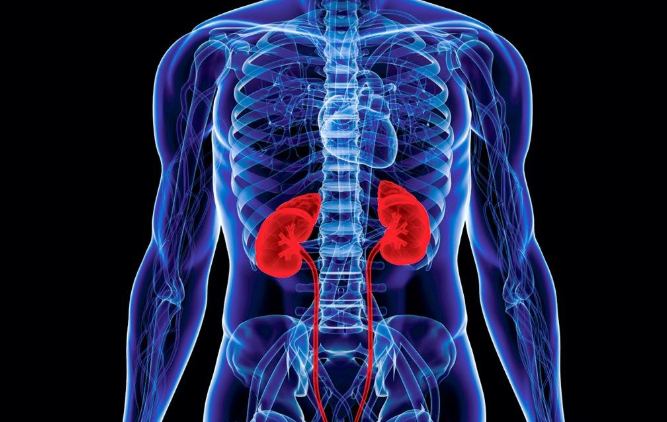
When Skin Changes Deserve Medical Attention
Skin signs alone cannot diagnose kidney disease, but they can serve as important clues. It is especially important to seek medical advice if
skin changes occur along with symptoms such as:
-
Persistent fatigue or weakness
-
Changes in urination (frequency, color, or foaminess)
-
Ongoing swelling
-
Shortness of breath
-
Loss of appetite, nausea, or unexplained weight changes
Early evaluation can make a significant difference. Kidney disease detected early is often easier to manage and may progress more slowly.
Supporting Both Skin and Kidney Health
While treatment depends on the underlying condition, several everyday habits support both skin and kidney health:
-
Stay adequately hydrated
-
Limit excess salt in the diet
-
Manage blood pressure and blood sugar
-
Avoid overuse of painkillers that strain the kidneys
-
Use gentle, fragrance-free skincare products
-
Schedule regular health checkups, especially if you have risk factors such as diabetes or high blood pressure
Final Thoughts
The skin does more than protect the body - it can act as an early warning system. Persistent itching, unusual dryness, changes in color,
swelling, or easy bruising may be more than cosmetic concerns. In some cases, they are subtle signals that the kidneys are under strain.
Paying attention to these signs and seeking medical guidance when something feels “off” is not overreacting - it’s proactive care. The earlier
kidney problems are identified, the more options there are to protect long-term health and quality of life.