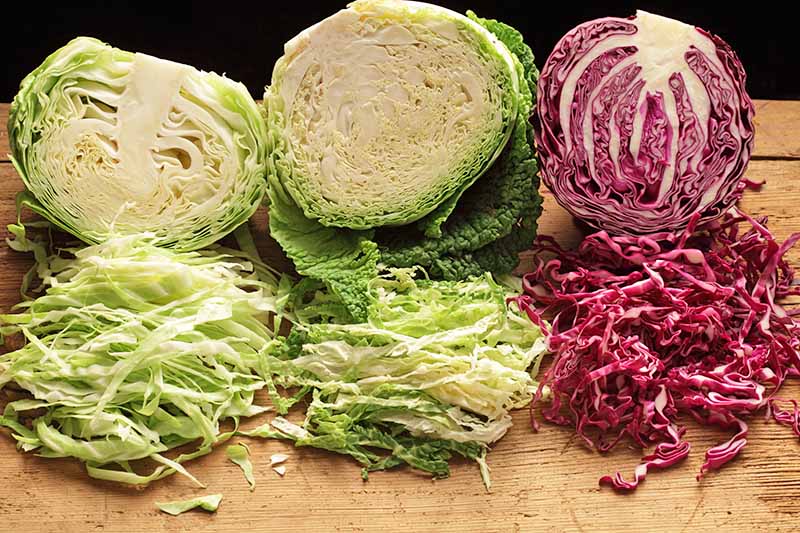
Cabbage Is Hailed as a Superfood — But for These Four Groups, It Can Be a Silent Health Risk
Cabbage has long been praised as one of the healthiest vegetables on the planet. Rich in fiber, vitamin C, vitamin K, antioxidants, and plant compounds that support digestion and reduce inflammation, it is a staple in diets from Asia to Europe. From raw salads and fermented sauerkraut to soups and stir-fries, cabbage is often portrayed as a near-perfect food.
But this wholesome reputation hides an uncomfortable truth.
For certain people, cabbage is not a health booster at all — it can be a trigger for serious discomfort, worsening disease, and even long-term complications. Nutritionists and gastroenterologists increasingly warn that cabbage, especially when eaten raw or in large quantities, may be harmful to specific groups. Ignoring this can lead to symptoms that many people misattribute to “weak digestion” or stress, when the real culprit is sitting quietly on the dinner plate.
Below are four types of people who should limit or completely avoid cabbage — despite its celebrated health benefits.
1. People with Thyroid Disorders (Especially Hypothyroidism)
Cabbage belongs to the cruciferous vegetable family, which contains compounds known as goitrogens. These substances can interfere with the thyroid gland’s ability to absorb iodine — a mineral essential for producing thyroid hormones.
For healthy individuals, this effect is usually minimal. However, for people with hypothyroidism, iodine deficiency, or autoimmune thyroid diseases such as Hashimoto’s thyroiditis, frequent consumption of raw cabbage can worsen hormone imbalance. Over time, this may lead to increased fatigue, weight gain, cold sensitivity, and metabolic slowdown.
Doctors emphasize that the risk is highest when cabbage is eaten raw or juiced, as cooking significantly reduces goitrogen content. Still, for thyroid patients, moderation is not optional — it is necessary.
:max_bytes(150000):strip_icc()/Simply-Recipes-Yamitsuki-Cabbage-LEAD-04-59eb3eee7111425da95ea23556a8d74d.jpg)
2. People with Sensitive Digestive Systems or IBS
Cabbage is extremely high in insoluble fiber and fermentable carbohydrates known as FODMAPs. While these components support gut health in many people, they can be a nightmare for those with irritable bowel syndrome (IBS), chronic bloating, or weak digestion.
Common reactions include:
-
Severe bloating
-
Excessive gas
-
Abdominal cramping
-
Diarrhea or constipation
Raw cabbage is particularly aggressive. Even small portions can trigger hours of discomfort in sensitive individuals. Unfortunately, many people continue eating cabbage because it is considered “healthy,” unaware that their digestive distress has a very specific and avoidable cause.
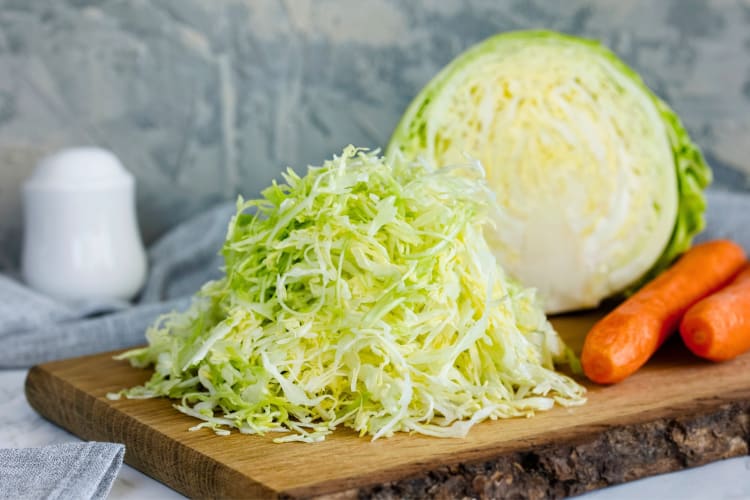
3. People with Stomach Ulcers or Chronic Gastritis
Cabbage is often recommended for stomach health due to its glutamine content, but this advice can be misleading. While cabbage juice may help some ulcer patients under medical supervision, whole cabbage — especially raw — can irritate an already inflamed stomach lining.
For people with:
-
Gastric ulcers
-
Chronic gastritis
-
Acid reflux with stomach inflammation
the coarse fiber and natural compounds in cabbage may increase acid secretion and mechanical irritation. This can lead to burning pain, nausea, and delayed healing of the stomach lining.
In these cases, cabbage does not soothe the stomach — it provokes it.
4. People on Blood-Thinning Medication
Cabbage is exceptionally high in vitamin K, a nutrient that plays a crucial role in blood clotting. While this is beneficial for most people, it can be dangerous for individuals taking anticoagulant medications such as warfarin.
Sudden increases in cabbage intake can reduce the effectiveness of these drugs, raising the risk of blood clots, strokes, or cardiovascular complications. The danger lies not in cabbage itself, but in inconsistent consumption that disrupts medication balance.
Doctors advise patients on blood thinners to maintain a stable and carefully monitored vitamin K intake, which often means avoiding large portions of cabbage altogether.
The Bigger Lesson: “Healthy” Is Not Universal
Cabbage is not a villain. For millions of people, it remains a nutritious and affordable vegetable with genuine health benefits. The problem lies in the widespread belief that a food labeled as “healthy” is automatically safe for everyone, in any amount, under any condition.
Nutrition is deeply personal. Age, medical history, medication use, and digestive health all matter. What strengthens one body may quietly harm another.
Before blindly following dietary trends or viral health advice, it is worth asking a simple but critical question: Is this food right for me?
Sometimes, the most shocking health risks are not found in processed junk food — but in the everyday vegetables we trust the most.