The month of May is dedicated to Stroke Awareness and for good reason. A stroke is a medical emergency and can happen to anyone at any time. According to the Centers for Disease Control and Prevention (CDC), every year, about 800,000 people in the United States have a stroke. Stroke is the fifth leading cause of death in the United States and is also a leading cause of disability. Knowing the signs of a stroke and what to do if someone experiences one can save lives. In this blog post, we will discuss three signs of a stroke that you should not ignore!
What is a Stroke?
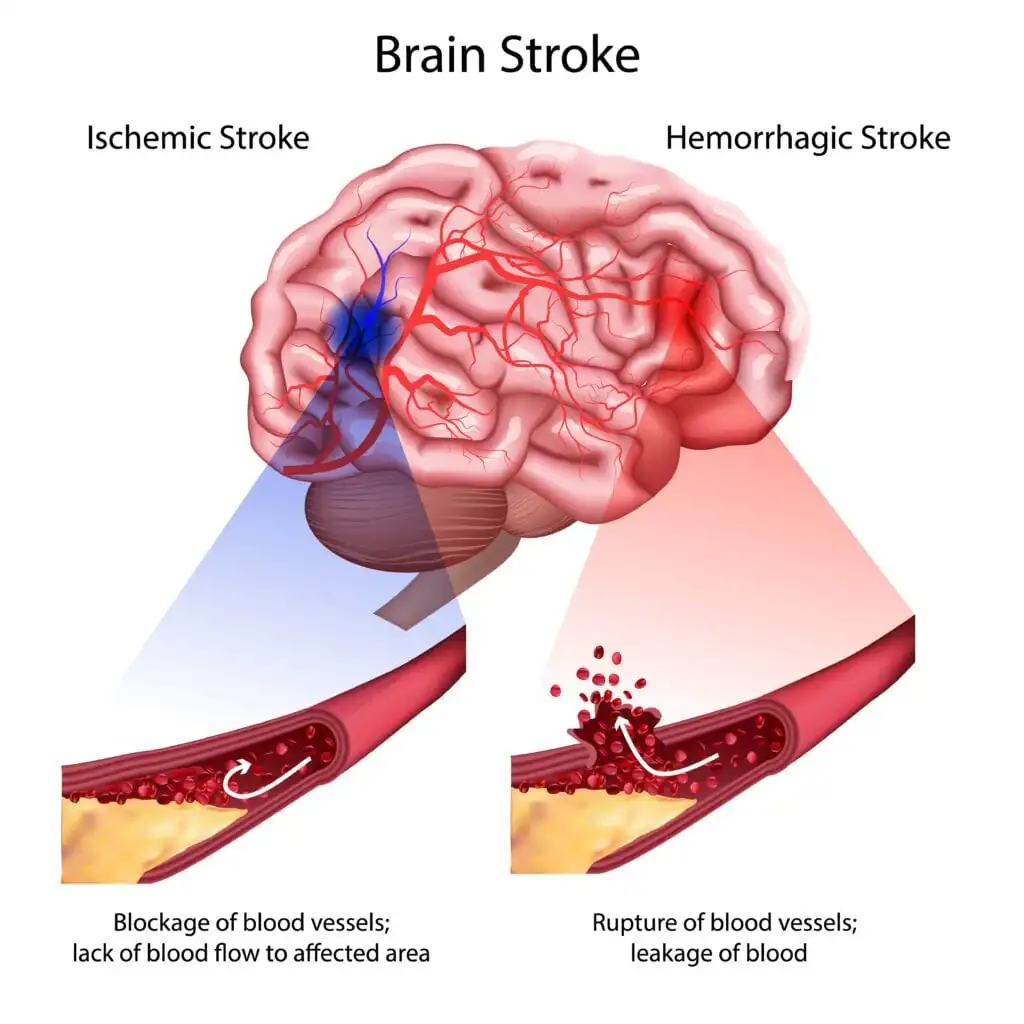
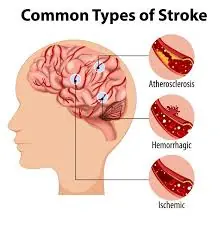
A stroke occurs when the blood flow to the brain is interrupted. This can happen if a blood vessel in the brain becomes blocked or bursts. When this happens, part of the brain is deprived of oxygen and nutrients, which can cause damage to the brain cells. There are three types of strokes: ischemic, hemorrhagic, and transient ischemic attack.
Ischemic
Ischemic strokes are the most common and occur when a blood vessel is blocked, usually by a blood clot. Ischemic strokes account for 87% of all strokes.
Hemorrhagic
Hemorrhagic strokes happen when a blood vessel in the brain ruptures or leaks. This can be caused from high blood pressure or an aneurysm.
Transient Ischemic Attack (TIA)
A TIA is often called a “mini-stroke” but it is still a medical emergency. A TIA happens when the blood flow to the brain is interrupted for a short period of time and causes temporary symptoms similar to a stroke. TIAs should be taken seriously because they are often warning signs that a person is at risk for a future stroke. In the beginning, it is also impossible to differentiate between a TIA or major stroke.
Signs of a Stroke
It is important to know the signs of a stroke because time is of the essence when it comes to strokes. The sooner you recognize symptoms and get treatment, the less damage is done to the brain.
So, what are the signs of a stroke? According to Harvard Health Publishing, there are three main signs of a stroke that occur in 75% of all strokes. These are part of the mnemonic FAST and include:
F-Facial Drooping
One of the main signs of a stroke is sudden numbness or weakness in the face. This can cause the one side of the face to appear droopy. If you ask the person to smile, it is also likely that their smile will be uneven.
A-Arm Weakness
Another main sign of a stroke is sudden arm numbness or weakness (especially on one side of the body). To confirm weakness, ask the person to raise their arm. If they are unable or if the arm drops down, then this is a sign of weakness.
S-Speech Difficulty
One of the final main signs of a stroke is speech difficulties. This can take a few forms. It can come across as sudden confusion, trouble understanding, or slurred speech.
T- Time
Although not a symptom, the final letter “T” stands for “time to act fast”. Simply stated, this means if you experience ANY of these symptoms, it is important to call 911 immediately and get to a hospital as soon as possible. If possible, it is also important to note the time the symptoms started.
Other Symptoms
While the aforementioned symptoms are the three most common, a stroke can also cause the following:
- sudden trouble seeing in one or both eyes
- sudden dizziness or loss of balance
- sudden severe headache with no known cause
Treatment for a Stroke
If someone is having a stroke, it is important to get them to the hospital as soon as possible. There are treatments available that can help limit the damage caused by a stroke but they need to be administered within a few hours of the first symptom.
There are two main types of treatment for strokes: thrombolytic therapy and clot removal.
Thrombolytic Therapy
Thrombolytic therapy is a medication that is given intravenously to break up clots. The most common thrombolytic medication used for strokes is tissue plasminogen activator (tPA). This medication must be given within 4.5 hours of the event.
Clot Removal
Clot removal is a procedure called mechanical thrombectomy. In this procedure, a surgeon will go in and remove the clot using a device called a stent retriever. This procedure can be performed up to 24 hours after the event. In some cases, this procedure may be recommended in lieu of thrombolytic therapy.
Preventing Strokes
The best treatment for a stroke is prevention. There are many things you can do to reduce your risk of having a stroke. These include:
- controlling high blood pressure
- managing diabetes
- not smoking
- eating a healthy diet
- exercising regularly
- limiting alcohol consumption
If you have any of these risk factors, it is important to talk to your doctor about how you can manage them.
In Conclusion
Strokes are serious medical emergencies that require quick treatment. In this blog, we have gone over what a stroke is, the different types of strokes, and how to tell if someone is having a stroke. We have also gone over treatment options and how to prevent strokes. By knowing the signs and symptoms of a stroke, you can help save a life. If you think someone is having a stroke, call 911 immediately and get to the hospital as soon as possible. Time is of the essence when it comes to strokes. The sooner you recognize symptoms and get treatment, the less damage is done to the brain.