Pinworms in Children: What They Are and Why They Cause Nighttime Itching
A common yet often misunderstood condition in children is pinworm infection—tiny parasitic worms that can cause intense itching, especially at night. While the infection is usually mild, it can disrupt sleep and spread quickly among family members if not properly managed.
Understanding how pinworms work is key to recognizing symptoms early and preventing reinfection.
What Are Pinworms?
Pinworms are small, thin, white worms that live in the intestines and rectum. They are one of the most common parasitic infections worldwide, particularly among school-aged children.
Despite their size, pinworms can cause noticeable discomfort, especially in young children who may not understand what’s happening.
Why Do They Cause Itching at Night?
The most distinctive symptom of pinworms is intense itching around the anus at night.
This happens because female pinworms leave the intestines while the child is asleep to lay thousands of eggs on the surrounding skin. This process irritates the area and triggers itching.
As a result, children may:
- Wake up frequently
- Feel restless or irritable
- Have trouble getting quality sleep
In many cases, the itching becomes worse at night because that’s when the worms are most active.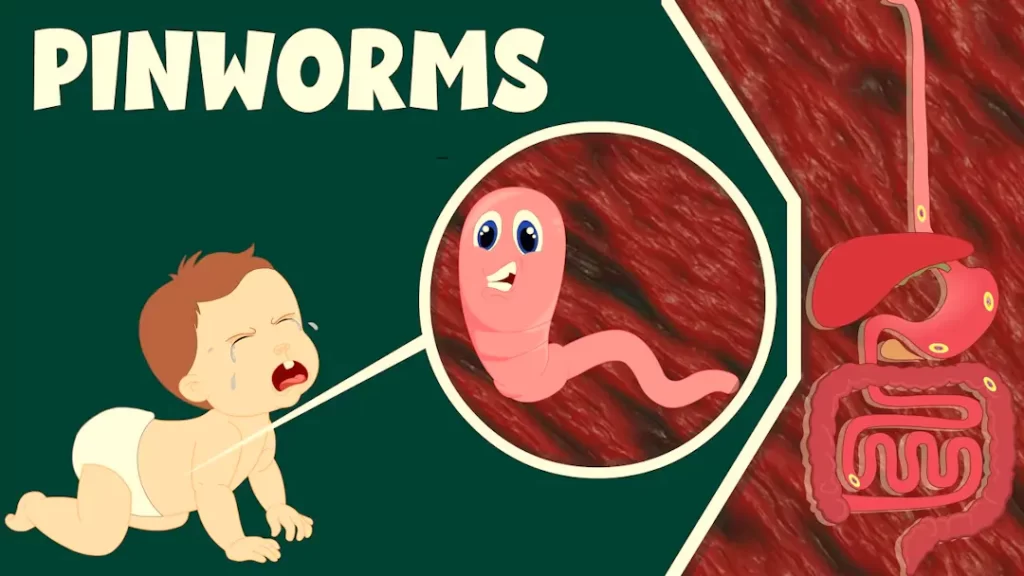
How Do Children Get Pinworms?
Pinworm infections spread very easily, especially in environments like schools or daycare centers.
Children become infected when they accidentally swallow microscopic pinworm eggs. These eggs can be found on:
- Hands and fingernails
- Toys and surfaces
- Bedding or clothing
Once inside the body, the eggs hatch in the intestines and mature into adult worms within a few weeks.
Scratching the itchy area can transfer eggs back onto the hands, allowing the cycle to continue or spread to others.
Common Symptoms to Watch For
Although some children show no symptoms, others may experience:
- Persistent itching around the anus (especially at night)
- Difficulty sleeping
- Irrability or restlessness
- Occasional stomach discomfort
In some cases, girls may also experience irritation in the vaginal area.
How Are Pinworms Treated?
Pinworm infections are usually easy to treat with anti-parasitic medications.
Treatment typically involves:
- A first dose to kill the worms
- A second dose two weeks later to eliminate newly hatched worms
Doctors often recommend treating the entire household, even if others don’t show symptoms, to prevent reinfection.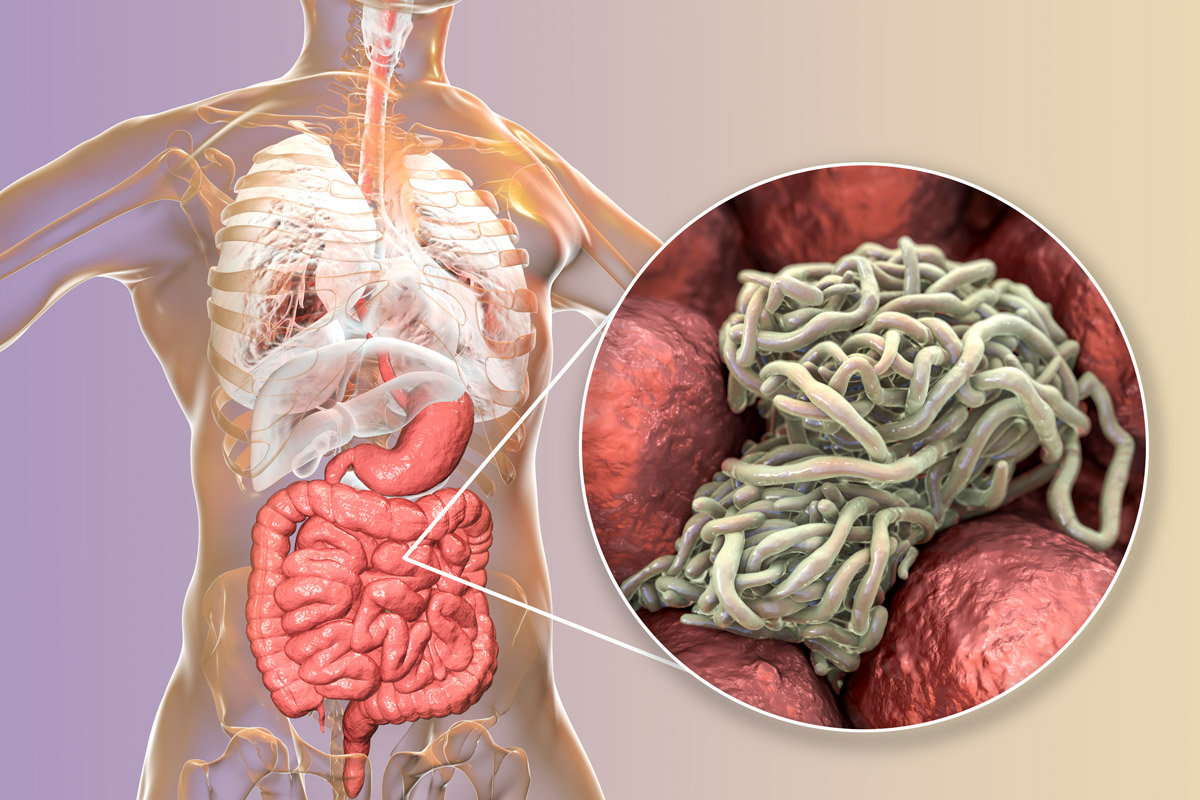
Preventing Reinfection
Because pinworm eggs can survive on surfaces for weeks, hygiene plays a crucial role in stopping the cycle.
Helpful steps include:
- Washing hands frequently, especially after using the bathroom
- Keeping fingernails short and clean
- Washing bedding, clothes, and towels in hot water
- Showering in the morning to remove eggs laid overnight
These simple habits can significantly reduce the risk of spreading the infection.
A Common Problem with a Simple Solution
Although the idea of worms may sound alarming, pinworm infections are very common in children and usually not serious. With proper treatment and hygiene, they can be cleared quickly and effectively.
Recognizing the signs—especially nighttime itching—can help parents take action early and restore their child’s comfort and sleep.