Pinworms: the nocturnal parasite that affects children 🪱
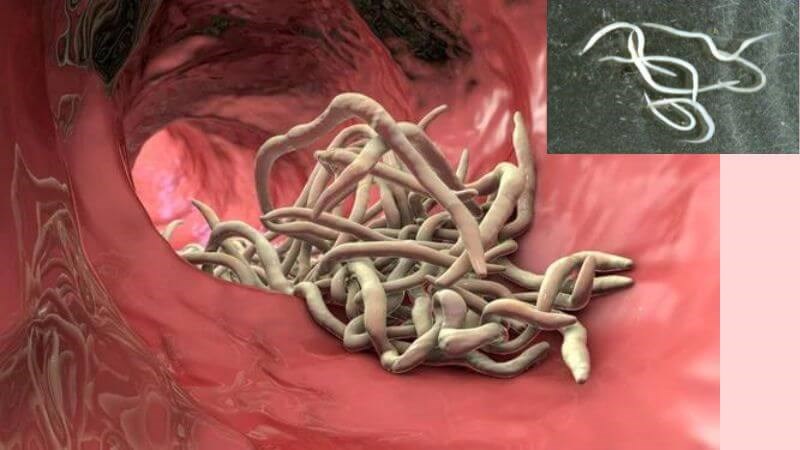
Pinworms (also called threadworms) are tiny intestinal parasites that most commonly affect children, especially school-age groups. According to the Centers for Disease Control and Prevention (CDC), pinworm infection is one of the most common worm infections worldwide and spreads easily in households and schools.

🔍 How do they act?
Pinworms live in the intestines and become most active at night. While a person is sleeping, female worms move to the area around the anus to lay eggs. This is what causes the most typical symptom: itching around the anus, especially at night.
⚠️ Common symptoms include:
- Intense itching around the anus, especially at night
- Trouble sleeping or restless sleep
- Irritability or discomfort
- Mild stomach pain in some cases
However, many infected people may show no clear symptoms, making the infection easy to miss.
🔄 How does it spread?

Pinworm eggs are extremely small and spread easily through contaminated hands, surfaces, clothing, or bedding. Children can accidentally swallow the eggs after scratching and touching their mouth or objects.
💊 Treatment and prevention
Pinworm infections are not dangerous but spread very quickly. Treatment is usually simple with medication prescribed by a doctor, often given to the whole household.
Good hygiene is essential to prevent reinfection:
- Wash hands frequently with soap and water
- Keep fingernails short and clean
- Wash bedding, clothes, and towels regularly
- Maintain good personal hygiene habits
🧠 Final note
Although pinworms are not serious, they can cause discomfort and spread easily. Early detection and proper hygiene are key to controlling the infection.
Mình sẽ viết tiếp bằng tiếng Anh theo phong cách bài viết sức khỏe phổ thông, mở rộng về vòng đời của giun kim, cách nhận biết, phương pháp chẩn đoán, điều trị, phòng tái nhiễm và những lưu ý quan trọng khi trẻ mắc bệnh. Nội dung cũng sẽ phân biệt giun kim với giun đũa, vì đây là hai loại ký sinh trùng khác nhau.
Pinworms in Children: What Every Parent Should Know About Symptoms, Treatment, and Prevention
Pinworm infection is a common parasitic condition that can affect children and adults. Although it is usually treatable, the infection can be frustrating for families because it spreads easily and may return even after medication has been taken.
The most recognizable symptom is itching around the anus at night. Some children become restless in bed, wake frequently, or complain of discomfort without being able to explain exactly what they feel. Others have no obvious symptoms at all.
Understanding how pinworms spread, how the infection is diagnosed, and why treatment sometimes needs to be repeated can help families manage the condition more effectively.
1. What Exactly Are Pinworms?
Pinworms, scientifically known as Enterobius vermicularis, are small, thin, white parasitic roundworms that live in the human intestinal tract. The infection they cause is called enterobiasis.
Adult pinworms are usually only a few millimeters to approximately a centimeter long. Their narrow, thread-like appearance is the reason they are sometimes called threadworms.
Unlike some other intestinal parasites, pinworms do not usually cause severe illness. Their main effect is often discomfort caused by the female worms laying eggs on the skin around the anus.
Children of preschool and school age are particularly susceptible because they frequently touch shared objects, play closely with other children, and are still developing consistent handwashing habits. However, pinworm infection is not limited to children. Parents, caregivers, teachers, and other household members can also become infected.
The infection occurs worldwide and is especially common in settings where people live, learn, and play in close contact.
Having pinworms does not mean that a child or family has poor hygiene. The eggs are extremely small and can spread through ordinary daily activities. Even careful families may experience an infection, particularly when several children share classrooms, toys, or sleeping spaces.
The important point is not to assign blame but to recognize the infection, seek appropriate treatment, and take practical steps to prevent it from circulating repeatedly.
2. Why Are Pinworms More Active at Night?
One of the most distinctive characteristics of pinworms is their nighttime activity.
Adult worms live primarily in the large intestine. At night, while the infected person is sleeping, mature female worms migrate out through the anus and deposit eggs on the surrounding skin.
This process can trigger itching, sometimes intense enough to wake a child from sleep.
The timing of the symptoms provides a useful clue. A child who repeatedly complains of an itchy bottom after going to bed may have pinworm infection, particularly if the discomfort is worse at night than during the day.
However, nighttime itching is not proof of pinworms. Irritation from soaps, eczema, poor wiping, and other skin conditions can produce similar symptoms. A healthcare professional can help determine the likely cause when the symptoms are persistent or unclear.