The idea of an overnight colon cleanse sounds appealing. Many products and social media posts promise that a simple drink, herbal mixture, tea, powder, or supplement taken before bed can "flush out toxins," remove waste that has supposedly been stuck in the colon, and leave you feeling lighter by morning.
Some claims go even further, suggesting that an overnight cleanse can improve digestion, boost energy, clear the skin, support weight loss, or "reset" the digestive system.
But the reality is considerably less dramatic.
Your colon already has a natural system for moving and eliminating waste. In a healthy person, there is generally no need to periodically "clean" the colon to remove accumulated toxins.
Some products marketed as colon cleanses can cause bowel movements, but that doesn't necessarily mean they are removing harmful toxins or improving long-term health.
Before trying an overnight cleanse, it is important to understand what these products actually do, what risks they may carry, and when constipation or digestive symptoms should be medically evaluated.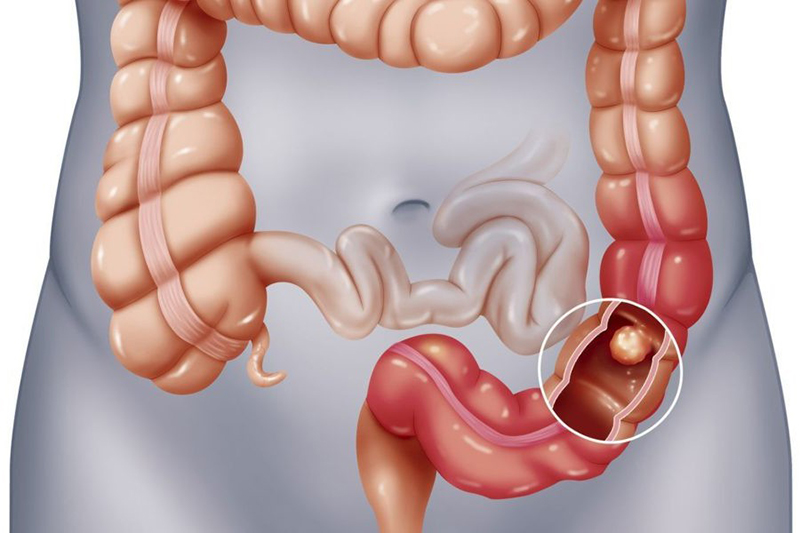
What Is an Overnight Colon Cleanse?
An overnight colon cleanse usually refers to a product or homemade preparation intended to stimulate bowel movements within several hours.
These products may contain ingredients such as:
-
Fiber
-
Herbal laxatives
-
Magnesium compounds
-
Senna
-
Various plant extracts
-
Osmotic agents
-
Stimulant ingredients
The goal is generally to cause a bowel movement, sometimes several bowel movements, during the night or the following morning.
This can create the impression that the colon has been "flushed."
But there is an important distinction:
Having a bowel movement is not the same thing as detoxifying the body.
Your digestive system is constantly processing food and eliminating waste. It doesn't normally need a periodic deep-cleaning treatment.
Your Colon Already Cleans Itself
The colon is part of the digestive system, and its job is not to store toxins indefinitely.
As food moves through the digestive tract, nutrients are absorbed primarily in the small intestine. The remaining material enters the colon, where water and electrolytes are absorbed and stool is formed.
The colon then moves stool toward the rectum so it can be eliminated.
This process happens continuously.
Meanwhile, your liver and kidneys play major roles in processing and removing substances the body doesn't need.
That means the popular idea that years of "toxins" accumulate inside the colon and need to be flushed out is misleading.
If you have a functioning digestive system, your body already has sophisticated mechanisms for handling waste.
Why Do Colon Cleanses Make You Poop?
This is where the confusion often begins.
A colon-cleanse product may genuinely cause a large bowel movement.
That doesn't necessarily mean it has removed dangerous toxins.
Some ingredients simply stimulate intestinal movement or draw water into the bowel.
For example, stimulant laxatives can increase intestinal contractions, while osmotic laxatives can draw water into the intestines and soften stool.
The result may be:
More water in the bowel + increased intestinal movement = more bowel movements.
This can make the abdomen feel temporarily less full.
But the effect is primarily the result of moving stool and water—not removing mysterious toxins from the body.
Why You May Feel "Lighter" the Next Morning
After several bowel movements, the number on the scale may temporarily decrease.
This can be misleading.
The short-term change is largely due to the loss of:
-
Stool
-
Water
-
Intestinal contents
It does not necessarily represent body-fat loss.
Once you eat and drink normally again, much of the weight may return.
This is why using colon cleanses as a weight-loss strategy is not a reliable approach.
If your goal is sustainable weight management, the focus should be on nutrition, physical activity, sleep, and overall energy balance.
What About "Toxins"?
The word "toxins" is frequently used in colon-cleanse marketing, but it is often poorly defined.
A legitimate toxin is a harmful substance produced by a living organism or a poisonous substance capable of causing harm.
Your body does encounter potentially harmful substances, but the idea that ordinary stool becomes increasingly toxic simply because it remains in the colon is not an accurate description of normal digestion.
The liver metabolizes many substances.
The kidneys filter blood and excrete numerous waste products in urine.
The lungs eliminate carbon dioxide.
The digestive tract eliminates undigested material and other waste.
These systems work continuously.
You don't need to drink a special tea every few weeks to activate them.
Is an Overnight Cleanse Safe?
That depends heavily on what the cleanse contains.
A medically recommended bowel preparation for a colonoscopy is very different from a commercially marketed detox product.
Colonoscopies require specific bowel preparation because the physician needs the colon to be empty enough to see the intestinal lining clearly.
That preparation is performed according to medical instructions.
A random herbal "detox" product is not equivalent.
Some commercial cleanses may contain powerful laxatives or multiple ingredients whose effects are unpredictable.
Potential side effects include:
-
Abdominal cramping
-
Diarrhea
-
Nausea
-
Bloating
-
Dehydration
-
Dizziness
-
Electrolyte disturbances
Some people may experience more serious complications, particularly when products are used excessively.
Dehydration Is One of the Biggest Concerns
Repeated diarrhea can cause significant fluid loss.
If you take a strong laxative and have multiple watery bowel movements overnight, you may lose much more fluid than usual.
Signs of dehydration can include:
-
Excessive thirst
-
Dry mouth
-
Dark urine
-
Reduced urination
-
Weakness
-
Dizziness
-
Headache
-
Fatigue
Severe dehydration can become dangerous, particularly for older adults and people with certain medical conditions.
This is one reason an aggressive overnight cleanse is not something to approach casually.
Electrolytes Can Also Be Affected
Your body needs electrolytes such as sodium and potassium for normal nerve, muscle, and heart function.
Significant diarrhea or excessive laxative use can disturb electrolyte levels.
In severe cases, electrolyte abnormalities can contribute to:
-
Muscle weakness
-
Muscle cramps
-
Confusion
-
Abnormal heart rhythms
-
Severe fatigue
People with kidney disease, heart disease, or other chronic conditions may be particularly vulnerable to fluid and electrolyte disturbances.
Who Should Be Especially Careful?
Some people should avoid experimenting with colon cleanses without medical advice.
This includes people with:
Kidney disease
The kidneys play a central role in maintaining fluid and electrolyte balance.
Heart disease
Rapid fluid shifts can be problematic for some people with cardiovascular conditions.
Inflammatory bowel disease
Conditions such as Crohn's disease and ulcerative colitis can make certain bowel interventions inappropriate.
Intestinal obstruction
Laxatives can be dangerous if an obstruction is present.
Severe abdominal pain of unknown cause
Unexplained abdominal pain should be evaluated rather than masked with a cleanse.
Pregnancy
Pregnant individuals should discuss laxative or herbal products with their healthcare professional.
Older adults
Older adults may be more vulnerable to dehydration and electrolyte disturbances.
Children should not be given colon-cleansing products unless specifically recommended by a qualified healthcare professional.
What About Constipation?
This is where the situation becomes more practical.
If you are constipated, you may genuinely feel uncomfortable, bloated, or as though you haven't completely emptied your bowel.
But the answer isn't necessarily an aggressive "detox."
Constipation can often be improved through basic measures such as:
-
Increasing dietary fiber gradually
-
Drinking adequate fluids
-
Regular physical activity
-
Responding to the urge to have a bowel movement
-
Establishing a consistent bathroom routine
Good sources of fiber include:
-
Vegetables
-
Fruits
-
Beans
-
Lentils
-
Whole grains
-
Nuts
-
Seeds
If increasing fiber causes significant bloating, increase it gradually rather than making a dramatic overnight change.
Fiber Is Different From a Colon Cleanse
Fiber is an important part of a healthy diet.
It can help increase stool bulk, support regular bowel movements, and contribute to a healthy gut microbiome.
But fiber works differently from a stimulant laxative.
Instead of suddenly forcing the intestines to empty, dietary fiber generally supports normal bowel function over time.
Some people may benefit from soluble fiber supplements such as psyllium, but these should be used appropriately and with sufficient fluid.
If constipation is persistent, your healthcare professional can recommend an appropriate treatment.
What About Senna?
Senna is a plant-derived stimulant laxative.
It can be effective for short-term constipation because it stimulates intestinal contractions.
However, that doesn't make it a general-purpose detox ingredient.
Frequent or inappropriate use of stimulant laxatives can cause cramping and diarrhea and may contribute to dehydration and electrolyte disturbances.
If you're repeatedly relying on senna or other stimulant laxatives to have a bowel movement, it's better to investigate why you are constipated rather than continually forcing bowel movements.
Can Colon Cleanses Improve Gut Health?
Not necessarily.
The colon contains trillions of microorganisms that make up the gut microbiome.
A healthy microbiome interacts with dietary fiber and produces substances that influence digestion and other aspects of health.
An aggressive cleanse that causes significant diarrhea may disrupt the normal intestinal environment rather than "resetting" it.
If your goal is to support your gut microbiome, a more evidence-based approach is to regularly eat a variety of fiber-rich plant foods.
Think:
Beans + vegetables + fruits + whole grains + nuts + seeds = diverse sources of fermentable fibers.
This is much more meaningful for long-term digestive health than periodically forcing your bowel to empty.
What About Coffee, Lemon Water, or Herbal Tea?
You may have seen recipes combining coffee, lemon juice, ginger, apple cider vinegar, cayenne pepper, or various herbs as an "overnight colon cleanse."
Some of these drinks may stimulate bowel activity in certain people.
Coffee, for example, can trigger the gastrocolic reflex in some individuals.
But that doesn't mean the drink is removing toxins.
If a particular beverage makes you have a bowel movement, that's a physiological response—not evidence of a deep colon detox.
Also remember that natural ingredients can still cause side effects or interact with medications.
"Natural" does not automatically mean "safe for everyone."
What About Colon Hydrotherapy?
Colon hydrotherapy, sometimes called a colonic, involves introducing water into the colon through the rectum.
This is different from drinking an overnight laxative.
While the procedure can physically introduce water into the colon, it is not routinely necessary for healthy people and carries potential risks.
Possible complications include:
-
Dehydration
-
Electrolyte imbalance
-
Infection
-
Rectal injury
-
Bowel perforation in rare cases
There is also insufficient evidence to support routine colon cleansing for general health or detoxification.
If you are considering a colonic, discuss the risks and benefits with a qualified healthcare professional.
When Constipation Could Be a Warning Sign
Not every bowel problem is simply a dietary issue.
You should seek medical advice if constipation is persistent, severe, or accompanied by concerning symptoms such as:
-
Blood in the stool
-
Unexplained weight loss
-
Persistent vomiting
-
Severe abdominal pain
-
Significant abdominal swelling
-
Fever
-
New constipation that persists, particularly later in adulthood
-
A major change in your usual bowel habits
These symptoms can have many causes, but some require prompt evaluation.
A colon cleanse could potentially delay appropriate diagnosis.
Don't Use a Cleanse to Hide Symptoms
One of the biggest problems with self-directed detox programs is that they can make people focus on the wrong goal.
Suppose someone has persistent abdominal bloating.
They try a cleanse.
They have several bowel movements and feel temporarily better.
They assume the problem has been solved.
But the underlying cause may still be there.
Persistent bloating can have many causes, including constipation, food intolerances, irritable bowel syndrome, reflux, infections, medication effects, and other gastrointestinal conditions.
If symptoms repeatedly return, finding the cause is more useful than repeatedly flushing the bowel.
A Better Overnight Routine for Digestive Health
If your goal is to wake up feeling comfortable and support normal digestion, you don't need an aggressive cleanse.
Instead, consider a simple evening routine.
Eat a Reasonable Dinner
Avoid consistently eating very large meals immediately before bed.
Include Fiber
Vegetables, beans, whole grains, or fruit can contribute to regular bowel function.
Stay Adequately Hydrated
Drink fluids throughout the day rather than trying to compensate with a huge amount of water at night.
Take a Walk
A short walk after dinner can support normal digestion and physical activity.
Avoid Excessive Alcohol
Alcohol can contribute to dehydration and may aggravate certain digestive symptoms.
Give Yourself Time in the Morning
Many people naturally experience increased bowel activity after waking and eating breakfast.
Don't routinely ignore the urge to use the bathroom.
Your Body Doesn't Need a "Reset"
The word reset is popular in the wellness industry.
But your digestive system isn't a computer that needs to be restarted every few weeks.
Your intestines continuously move food and waste.
Your liver processes numerous substances.
Your kidneys filter blood and produce urine.
Your body is already performing complex regulatory functions every minute of every day.
Rather than periodically trying to "clean" your colon, focus on habits that support those systems continuously.
The Bottom Line
An overnight colon cleanse may produce exactly what it promises in one sense: you may have a bowel movement, sometimes several of them.
But that does not prove that toxins were removed, that your colon was "dirty," or that your overall health has been improved.
For most healthy people, routine colon cleansing is unnecessary.
If constipation is the problem, evidence-based approaches such as gradually increasing fiber, maintaining adequate hydration, staying physically active, and using appropriate treatments when necessary are generally more sensible.
Be especially cautious with aggressive laxatives, herbal detox products, and colon hydrotherapy, particularly if you have kidney disease, heart disease, inflammatory bowel disease, are pregnant, or take medications that affect fluid or electrolyte balance.
And if you have persistent constipation, blood in the stool, unexplained weight loss, severe abdominal pain, vomiting, or a major change in bowel habits, don't try to cleanse your way through the symptoms.
Your colon doesn't need to be "scrubbed clean" to be healthy. What it needs is regular movement, adequate fiber and fluids, and attention when something genuinely changes.